
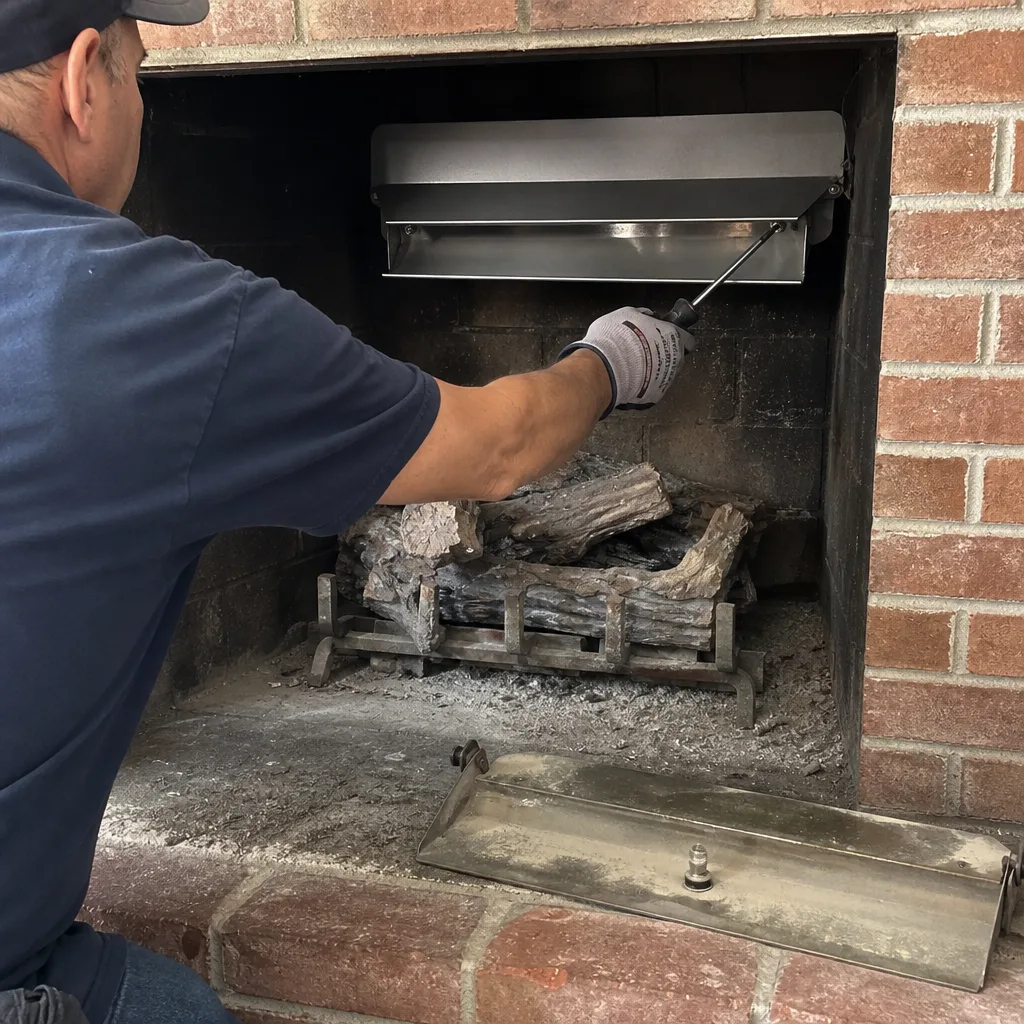
Last updated November 25, 2026
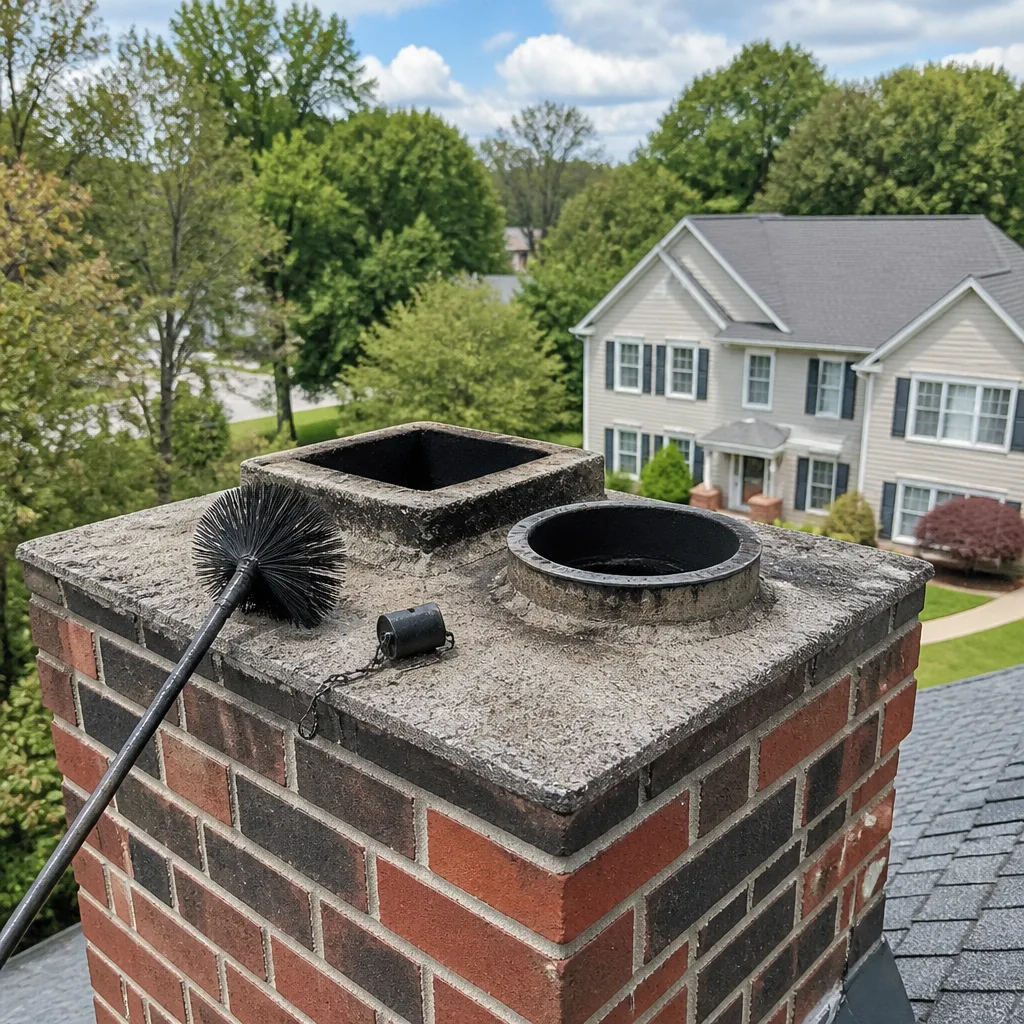 Sweep & inspection
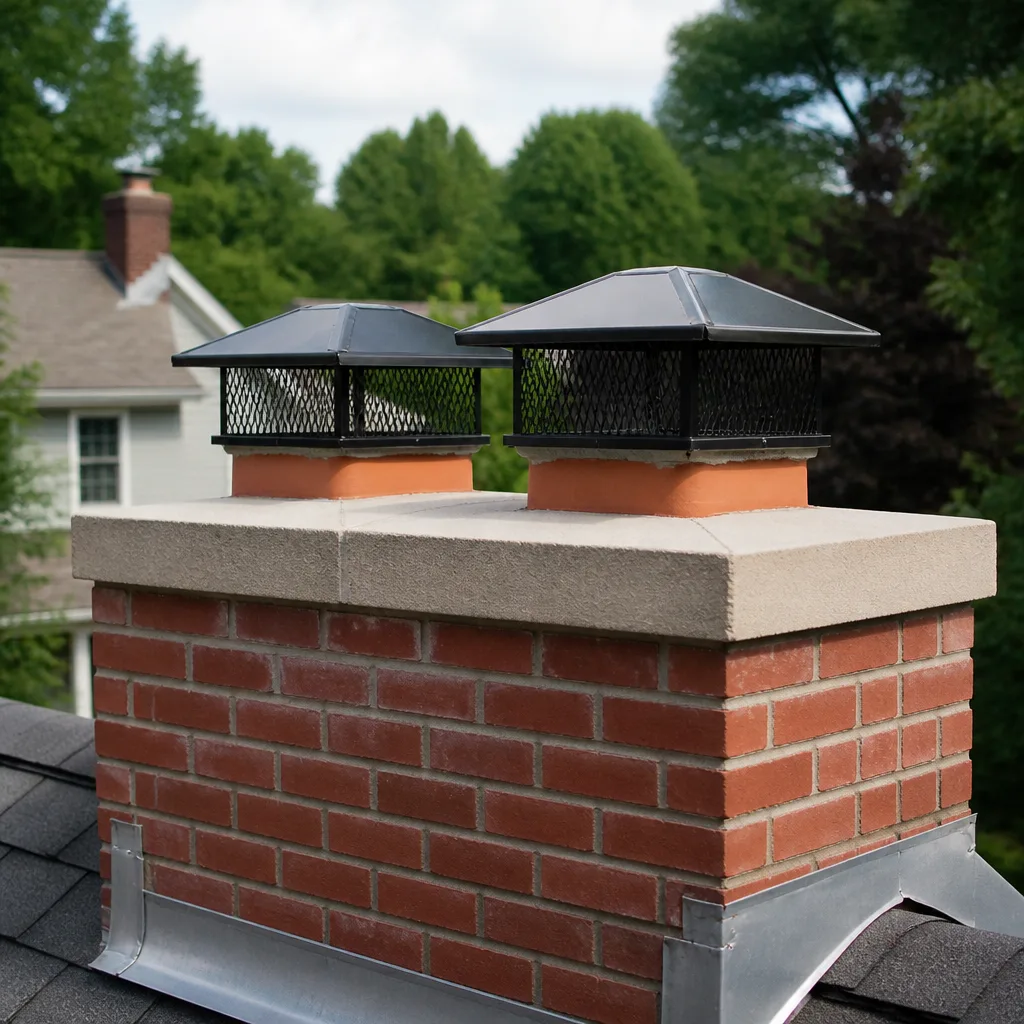 Caps & crowns
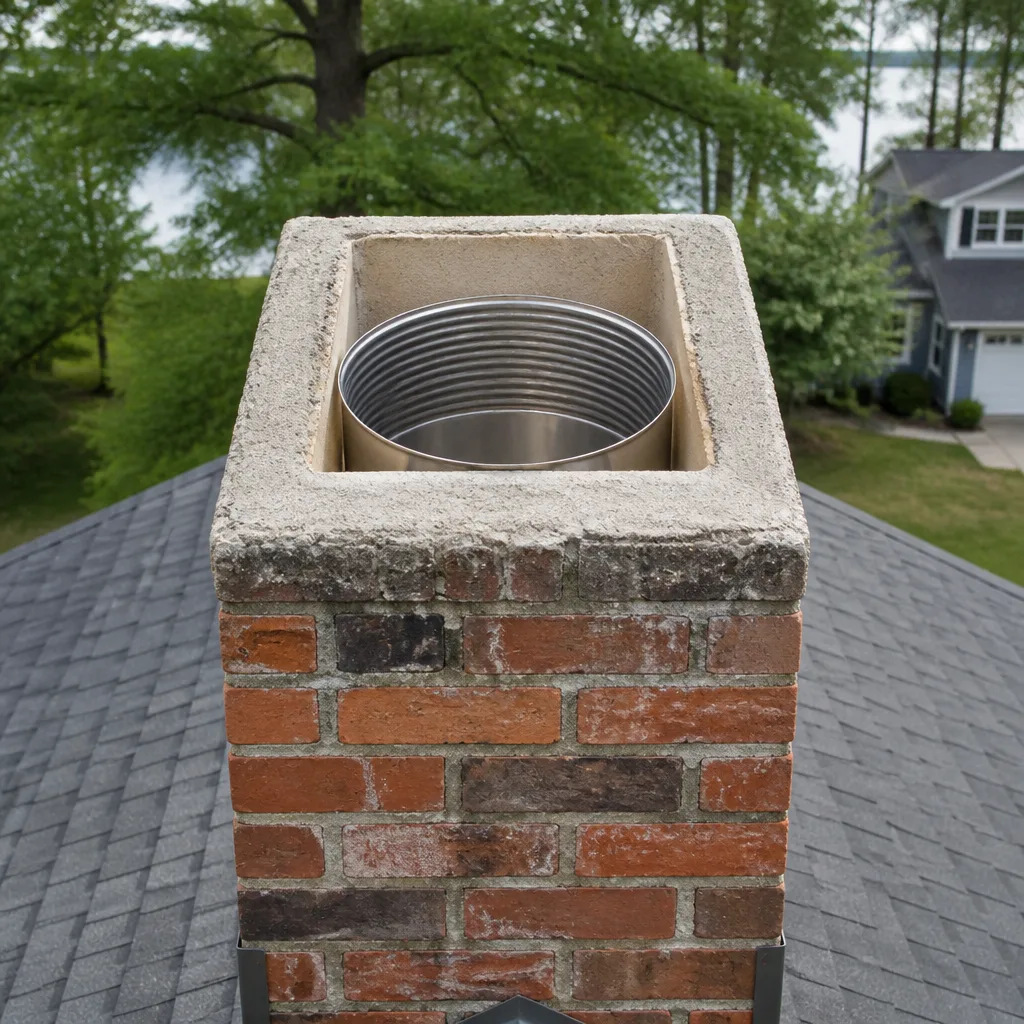 Flue relining
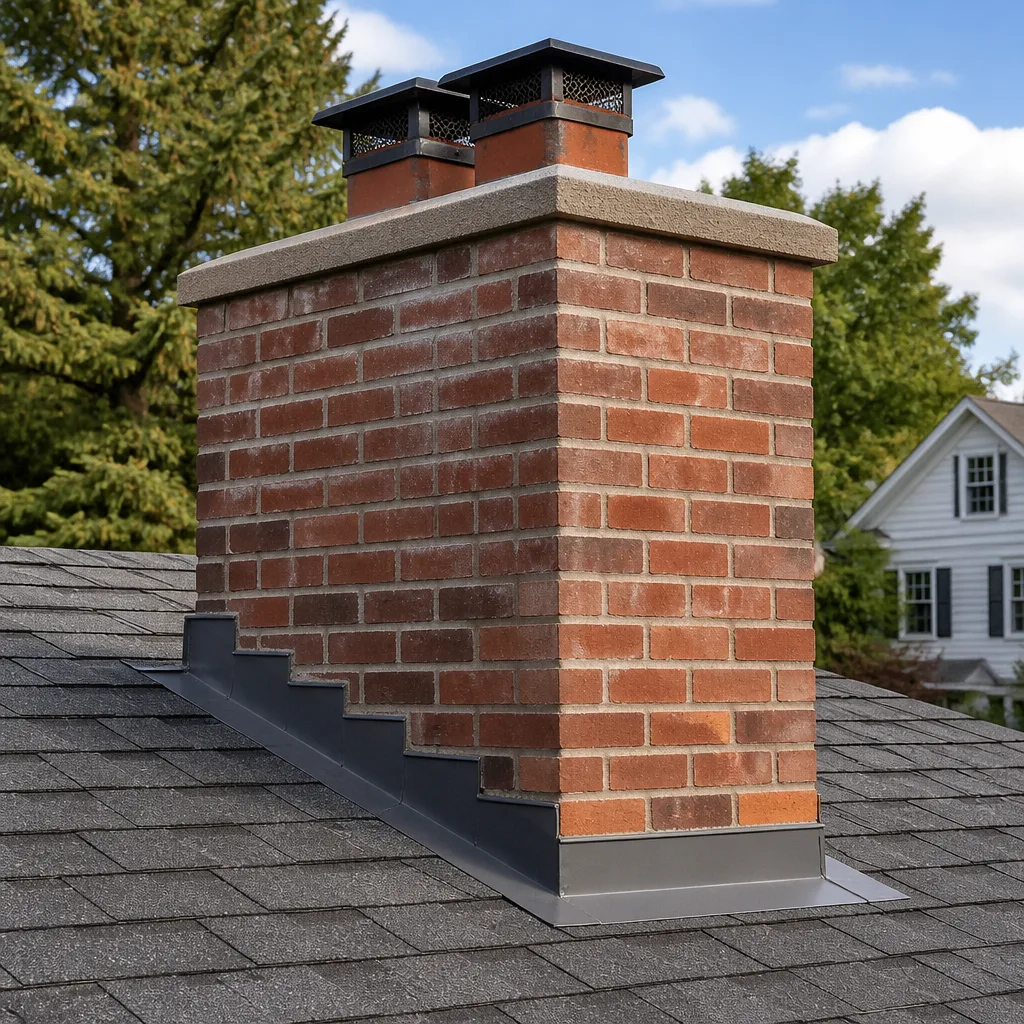 Masonry repair
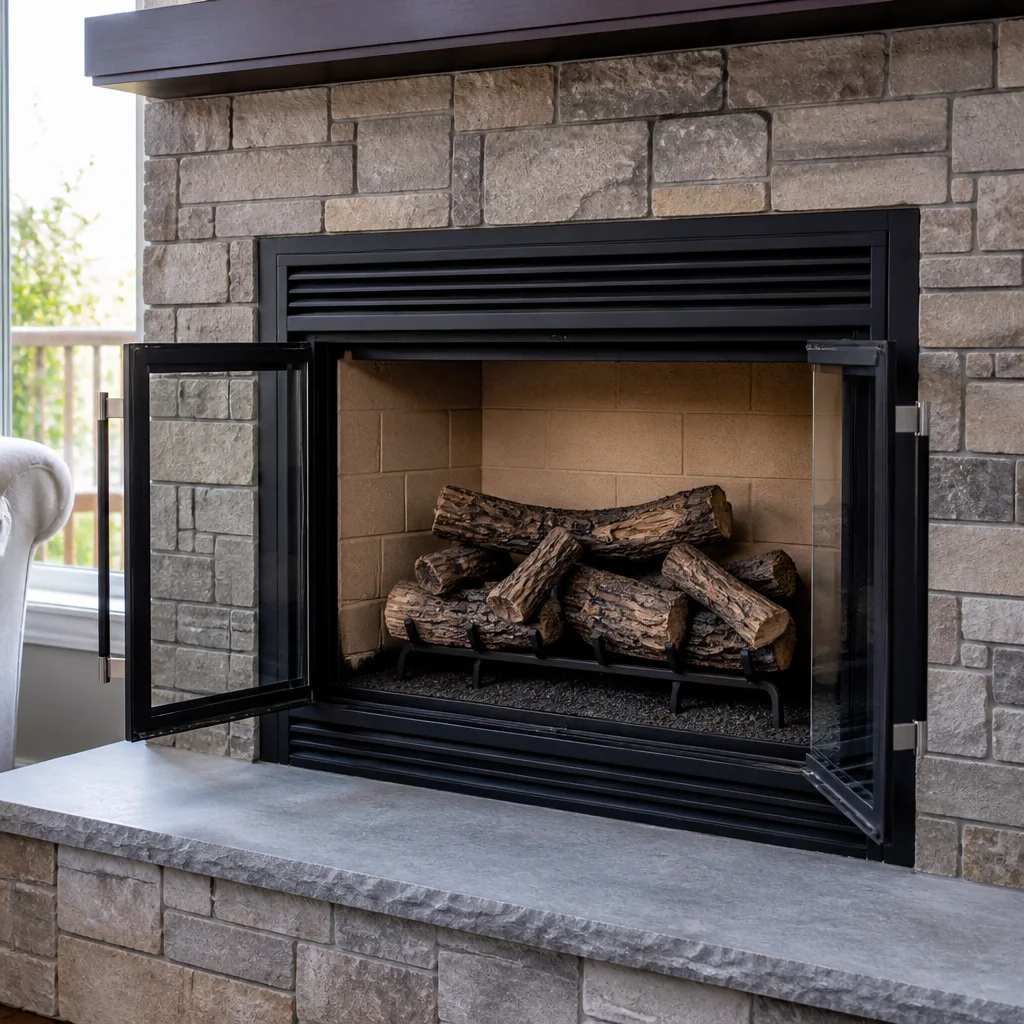 Gas fireplace service
Level 1 sweep and inspection to the NFPA 211 annual standard - flue, crown, cap, and flashing checked and photographed
Chimney sweep logs do not sweep chimneys. They loosen some creosote - which then falls where a brush and vacuum still have to collect it.
Chimney Sweep Maintenance Schedule: What to Do and When
Chimney maintenance schedules have one phrase to thank for most of the confusion in this trade: at least once a year. The National Fire Protection Association’s Standard 211 says it, and then a thousand websites repeat it as if a gas log set lit six times a winter and a wood stove burning four cords a season need the same appointment on the same calendar date. They don’t. Building a schedule around the calendar instead of around your fuel and your burn volume is how homeowners end up overpaying for sweeps they didn’t need and, worse, skipping the inspection that would have caught a cracked liner. We see both outcomes in South Ozone Park, and this guide lays out a schedule you can actually use.
Quick Answer
There’s no single annual date. Sweep based on what you burn and how much: wood-burning fireplaces and stoves get a sweep and Level 1 inspection each year before the first fire, gas appliance owners get a visual check every two years with a Level 2 inspection every three years, and pellet stoves get cleaned every 50 burn-bags or annually, whichever comes first. Use September in South Ozone Park to book, before the pre-heating-season rush.
Styles & brands we work with
- Sweep & inspection
- Caps & crowns
- Flue relining
- Masonry repair
- Gas fireplace service
Table of Contents
- Why “Once a Year” Is Not a Schedule
- The Split Schedule: Wood, Gas, and Pellet
- Level 1, 2, and 3 Inspections Explained
- Timing Your Sweep in South Ozone Park
- Creosote and the Rutland Treatment
- The Masonry Calendar: Freeze-Thaw and Storm Season
- Caps and Crowns: The Annual Check
- Common Mistakes to Avoid
- When to Call a Professional
- Frequently Asked Questions
- The Bottom Line
Why “Once a Year” Is Not a Schedule
The NFPA 211 language is a minimum standard, not a homeowner’s manual. It exists so chimney professionals, code officials, and insurers share a floor. That floor gets applied to wildly different chimneys with wildly different usage. A homeowner running a gas insert a handful of nights a winter and a homeowner feeding a wood stove four cords a season have almost nothing in common at the flue. Treating them the same is like scheduling an oil change every twelve months regardless of whether you drive 2,000 or 20,000 miles. The internal condition of the flue is what matters, and the flue only knows two things: what you burn and how often you burn it.
We approach every chimney in South Ozone Park on the same principle. A schedule should be built from fuel type and burn volume first, and only then mapped to months on the calendar. That’s the difference between a sweep that’s actually due and a sweep that happens because it’s October.
The three inputs that drive every maintenance decision:
- Fuel type. Cord-wood, gas, and pellet each leave the flue in different condition and carry different risks.
- Burn volume. Cords per season for wood, hours and cycle counts for gas, bags for pellets.
- Appliance and venting type. A masonry fireplace with a clay liner has different inspection needs than a factory-built unit with a prefab flue.
Once you know your fuel and your volume, the schedule falls into place. Here’s how it breaks down.
The Split Schedule: Wood, Gas, and Pellet
Cord-wood, gas, and pellet each need a different schedule. The split below is what we recommend, and it’s the backbone of the guide:
- Cord-wood users: annual sweep and Level 1 inspection before the first fire of the season.
- Gas appliance users: a visual check every two years, with a Level 2 inspection every three years (or sooner if the liner or venting has changed).
- Pellet stove users: a full cleaning every 50 burn-bags or annually, whichever comes first.
Wood-Burning Fireplaces and Stoves
Wood is the fuel that leaves the most behind. Creosote builds on the flue walls as combustion gases cool on their way up, and creosote is the fuel for the chimney fire you’re trying to prevent. A sweep every year before the season’s first fire removes the buildup while it’s still manageable. Skip it, and the risk climbs through the winter. The top of the wood schedule is a Level 1 inspection on the same visit, checking the firebox, damper, and visible flue.
Gas Appliances and Inserts
Gas burns cleaner, so many homeowners assume there’s nothing to maintain. The trouble is in the byproducts. Gas combustion produces water vapor and acidic compounds that can attack a masonry flue from the inside, and the venting can develop cracks or blockages that don’t announce themselves. A visual check every two years catches obvious problems, and a Level 2 inspection every three years looks deeper inside the flue with a camera. If the liner or venting has been changed, schedule the Level 2 immediately, regardless of the calendar.
Pellet Stoves
Pellet stoves produce ash, not just creosote, and the ash and clinker buildup sits in different places than wood fires. A full cleaning every 50 burn-bags or annually, whichever comes first, keeps airflow right and the burn efficient. Running longer than that risks a clogged exhaust path and a stove that burns poorly, sometimes with smoke spilling back into the room.
Level 1, 2, and 3 Inspections Explained
Every chimney inspection in the trade follows the same three-level structure under NFPA 211, and most homeowners have never had the levels explained to them. They’re the foundation of the schedule:
- Level 1. A visual inspection of readily accessible portions of the chimney and venting, plus the firebox and connection point. It’s the standard companion to a routine annual sweep and is appropriate when the chimney has been in use and not changed since the last inspection.
- Level 2. A more thorough inspection that includes a video scan of the flue interior, checking for cracks, gaps, and obstructions. A Level 2 is required after any change to the system, after a chimney fire or other event that could have damaged the flue, after a property changes hands, or when the fuel type changes.
- Level 3. This is triggered only when the first two levels turn up a serious problem that requires opening up concealed parts of the chimney, like behind walls, to see the rest. It’s the most invasive and is reserved for when the evidence says it’s needed.
The schedule milestone for most homes is Level 1 on every annual sweep, Level 2 on a three-year cycle for gas users, and a Level 2 whenever the liners or venting change. Level 3 is a diagnostic, not a maintenance step. If you’ve had a chimney fire, or bought the house recently and the paperwork doesn’t cover it, get the Level 2. Our inspections start with a camera and end with a written report, and we’ll tell you plainly what we found and whether repair can wait.
Timing Your Sweep in South Ozone Park
September is the smart month for a sweep in South Ozone Park, and the reason is logistics. Heating season demand spikes in October and November, and once that wave hits, waits stretch past three weeks in this market. Booking in September means the sweep is done and the inspection is on record before you need the fireplace at all. We see the difference every fall: the early callers are coasting into winter while the late ones are waiting for a slot.
South Ozone Park is a neighborhood of older, close-set houses, many with original masonry chimneys, and that history affects the schedule in ways the calendar doesn’t show. The inspection picture is genuinely mixed block to block. Two houses on the same street can have very different chimneys depending on when the liner was last touched and how the previous owner burned. If you don’t know the home’s maintenance history, a Level 2 inspection before your first winter is the right call.
If you use the fireplace as a backup or occasional heat source, book the sweep earlier rather than later. A chimney that’s only used a handful of times a winter may not have much buildup, but it has probably been sitting unattended since its last cleaning.
What “Sweep Season” Actually Looks Like
- September to early October: the easy window. Plenty of appointments and everything is caught before cold arrives.
- Mid-October through December: the wave. Every wood-burner in the neighborhood is calling and waits build.
- January through March: the cleanup period. Most of these calls are post-season or mid-season, and there’s already something to fix.
- April through August: the off-season. Everyone forgets the chimney exists. This is the other easy window for non-urgent work.
The schedule you set in September is the one that protects you in January. For a routine chimney sweep, we’d start here rather than in the middle of the rush.
Creosote and the Rutland Treatment
Creosote is the reason fireplaces get swept at all. It’s the black deposit left behind when combustion gases cool, and it comes in a range of textures from flaky and easy to brush away to glazed and stubborn. The glazed kind is the one that fuels chimney fires, because it ignites readily and burns hot. That’s why the sweep interval matters in the first place.
For light-use households, there’s a legitimate maintenance product: Rutland Creosote Remover. It’s a spray-on treatment applied to the firebox and flue that helps break down light deposits so future creosote doesn’t build as quickly. It can extend the interval between sweeps, and some homeowners use it as a between-sweep measure.
But “light use” is a real term of art, and most people aren’t actually light users. In our experience, light use at the cord level means roughly under one cord of seasoned wood a season. Anything above that is the medium-to-heavy range, and light-use products won’t keep up. The deposit becomes too thick and too glazed for a spray-on treatment to make a meaningful difference.
Two things Rutland and similar products will not do:
- They don’t replace the annual sweep.
- They don’t reduce the glazed creosote that’s already there.
The honest use is: keep a clean flue and apply the treatment through the season to slow buildup. The dishonest use is: skip the sweep because you sprayed something. We’d rather have you swept than sprayed. When a sweep is due, you get the Chimney Sweep South Ozone Park, which leaves a clean flue wall.
The Masonry Calendar: Freeze-Thaw and Storm Season
Masonry has its own calendar, separate from the sweep and inspection schedule. Chimney masonry in South Ozone Park takes a beating from the freeze-thaw cycle. Water gets into hairline cracks during wet spells, freezes when temperatures dip, expands, and enlarges the crack. Repeat that all winter and joints that were fine in autumn are loose by spring. That’s why we recommend a tuckpointing check in March or April, after the thaw. Repairing mortar during that window catches problems before the heat of summer makes them harder to see and before the next cold season widens them.
Summer storm season is the other masonry milestone. Wind and rain are tough on chimneys, and the annual post-summer inspection should include a check of the cap, the crown, and the joints at the top of the stack. Cap problems from storm damage often start small and get worse. Cracked crowns and missing caps let water in, and water does the real damage on the masonry calendar. A cracked crown, if left, continues to open through the winter.
Both masonry checks pair naturally with the chimney chimney repair work we do. If you notice spalling brick, crumbling mortar, or a crack in the chimney crown, those are masonry repair issues and should be looked at before the next season. While you’re on the ladder, the chimney cap & crown inspection is the piece that keeps rainwater out in the first place.
The masonry checks we recommend in South Ozone Park:
- March/April: after freeze-thaw, check the mortar joints, brick faces, and crown for cracks and spalling.
- September: post-storm, check the cap, crown, and top-of-stack joints, and clear any storm debris.
- Anytime: after a significant storm, check the cap and crown for loose or missing pieces.
Caps and Crowns: The Annual Check
The cap and crown are the chimney’s first line of defense against water, and they’re the parts most homeowners never see. The cap sits on top and keeps rain, debris, and animals out while letting smoke through. The crown is the concrete surface on top that sheds water away from the flue. When either one fails, water gets into the masonry and the flue, and the damage compounds quietly.
We can repair or replace caps and crowns with purpose-built chimney components rather than hardware-store substitutes. Gelco and Famco make cap and crown products engineered for the job, and using the right components means the repair holds up through the next storm season. It’s a small part of the total chimney, but it’s the one doing the work that protects everything underneath.
Annual Cap and Crown Checklist
- Look for missing or damaged caps. A missing cap invites water, animals, and debris into the flue.
- Check the crown for cracks. Hairline cracks grow and let water into the masonry below.
- Check the caulk and flashing at the roofline. Failing flashing is a common hidden leak point.
- Clear any debris from the flue opening. Leaves, nests, and branches cause blockages.
- Confirm the cap is still seated and secure. Storm winds work caps loose over time.
We do this check during the annual sweep visit, so the schedule stays in one place.
Common Mistakes to Avoid
- Assuming a gas fireplace needs no maintenance. Gas burns cleanly but produces acidic moisture. A visual check every two years and a Level 2 every three years catches liner and venting problems while they’re still small.
- Skipping the sweep because you used a creosote treatment. Spray-on products can slow buildup in light-use homes. They don’t replace the annual sweep or remove glazed creosote, so keep the sweep on schedule.
- Treating “once a year” as the whole plan. NFPA 211 is a minimum standard, not a schedule. Wood, gas, and pellet chimneys have different needs and should be scheduled differently.
- Booking in October instead of September. Pre-heating-season waits in South Ozone Park stretch past three weeks once the demand spike hits. Get the sweep done in September, before the rush.
- Ignoring masonry after the winter. Freeze-thaw loosens mortar joints through the cold months. Skip the spring tuckpointing check and small cracks become real repairs by summer.
- Forgetting the cap and crown. These parts take the storm damage and protect the whole chimney. Check them at least once a year, ideally after storm season.
- Assuming a recent house purchase came with a clean chimney. Without paperwork, you don’t know the liner’s condition. A Level 2 inspection establishes the baseline before you use the fireplace.
When to Call a Professional
Call a chimney professional when any of these are true: you haven’t had the chimney inspected since you moved in, you’ve had a chimney fire or a sudden draft or smoke problem, the appliance or fuel type has changed, you see spalling brick or loose mortar, the cap or crown looks damaged, or you’re due for the annual sweep. We’d also say call if a gas appliance or insert has never been inspected, since that’s the maintenance homeowners most often forget. At Chimney Sweep South Ozone Park, our technicians have up to 8 years of experience and every job starts with an inspection, so recommendations follow from what the chimney shows, not from a sales target. We use branded materials from DuraFlex, HeatShield, Gelco, Olympia Chimney, Famco, and Copperfield so you know what’s going into your system. If a repair can wait, we’ll say so. If it can’t, we’ll show you why. Call (877) 492-4232 and we’ll book a free estimate.
Frequently Asked Questions
Once a year for wood-burning fireplaces and stoves, every two years for gas appliances, and every 50 burn-bags or annually for pellet stoves. The annual card is the NFPA 211 baseline for wood. Gas and pellet systems need different intervals because they burn different fuels and leave different deposits.
Yes. A sweep cleans, and an inspection checks condition. The Level 1 inspection is included with the annual sweep for wood users and is what catches cracks, obstructions, and liner problems before they become expensive.
Call as soon as possible and don’t use the appliance until it’s inspected. A Level 2 inspection with camera is standard after any chimney fire, because the damage is usually invisible from the flue opening.
Probably not. A half-cord still leaves creosote, and the deposit type depends on the wood and how it burns, not just the volume. Light use is roughly under a cord per season, and even those homes need the annual sweep and inspection.
September, before heating season demand pushes waits past three weeks. If you can’t get in during September, the April to August window is the other easy period for non-urgent work.
They don’t need an annual sweep, but they do need a visual check every two years and a Level 2 every three years. Gas can produce acidic moisture that attacks masonry, and the damage is invisible without a camera.
The Bottom Line
A chimney maintenance schedule should start with your fuel and your burn volume, then map to the calendar. Wood-burners get the annual sweep and Level 1 before the first fire. Gas users get the visual check every two years and Level 2 every three. Pellet stoves get cleaned every 50 bags or annually, whichever comes first. Add the separate masonry calendar (spring tuckpointing check, post-summer cap and crown check) and book the sweep in September, before the South Ozone Park rush. That’s a schedule built to protect the home without extra spend. Call (877) 492-4232 for an exact quote. Estimates are free. We answer 24/7. Fast dispatch from 7am to 7pm, Sunday through Friday.
Written by the team at Chimney Sweep South Ozone Park.
See the difference
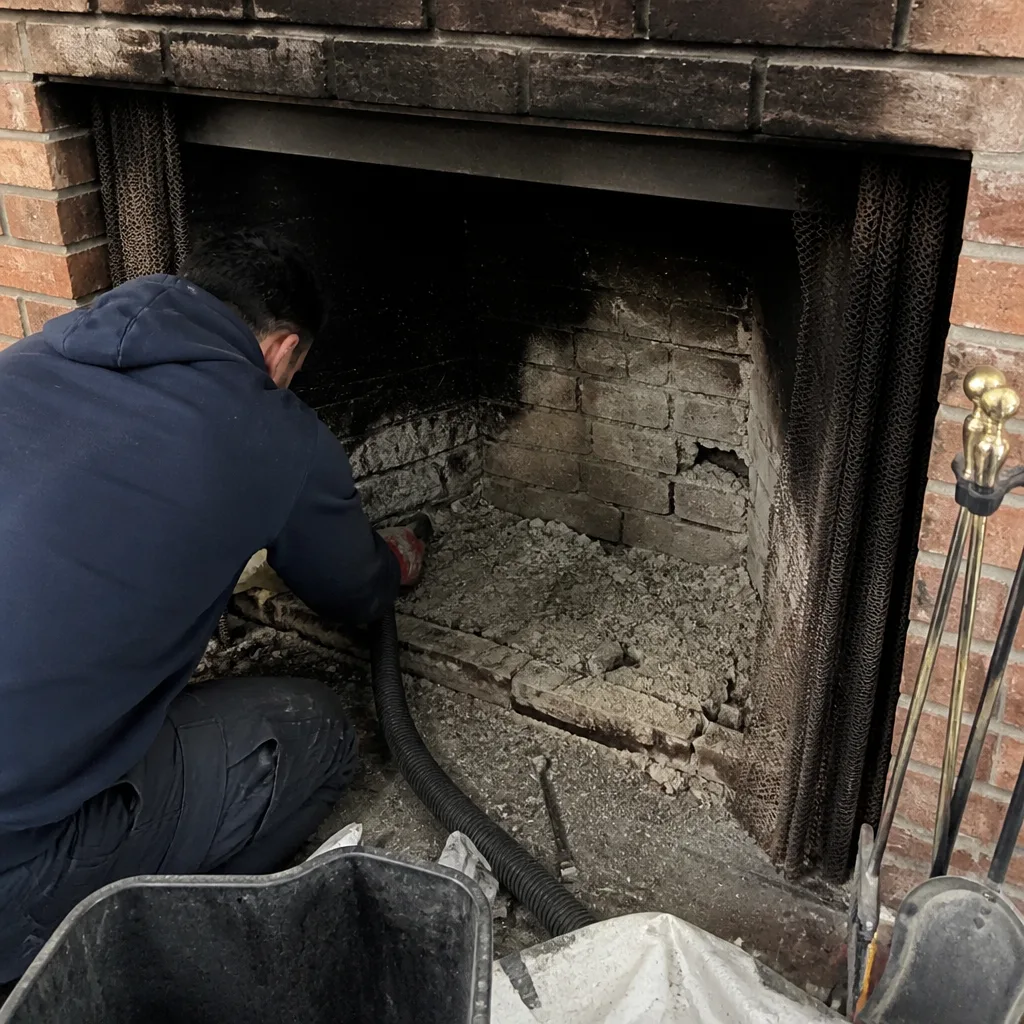 Before
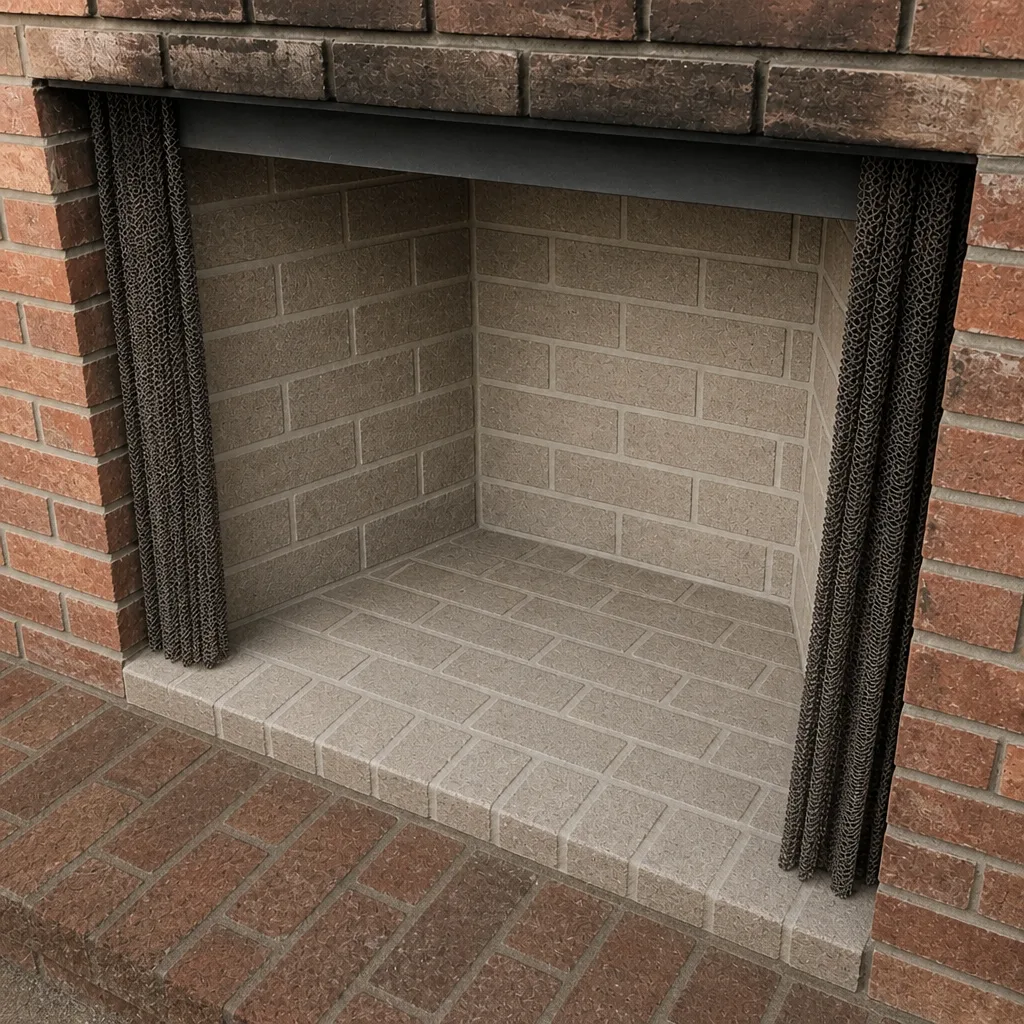 After
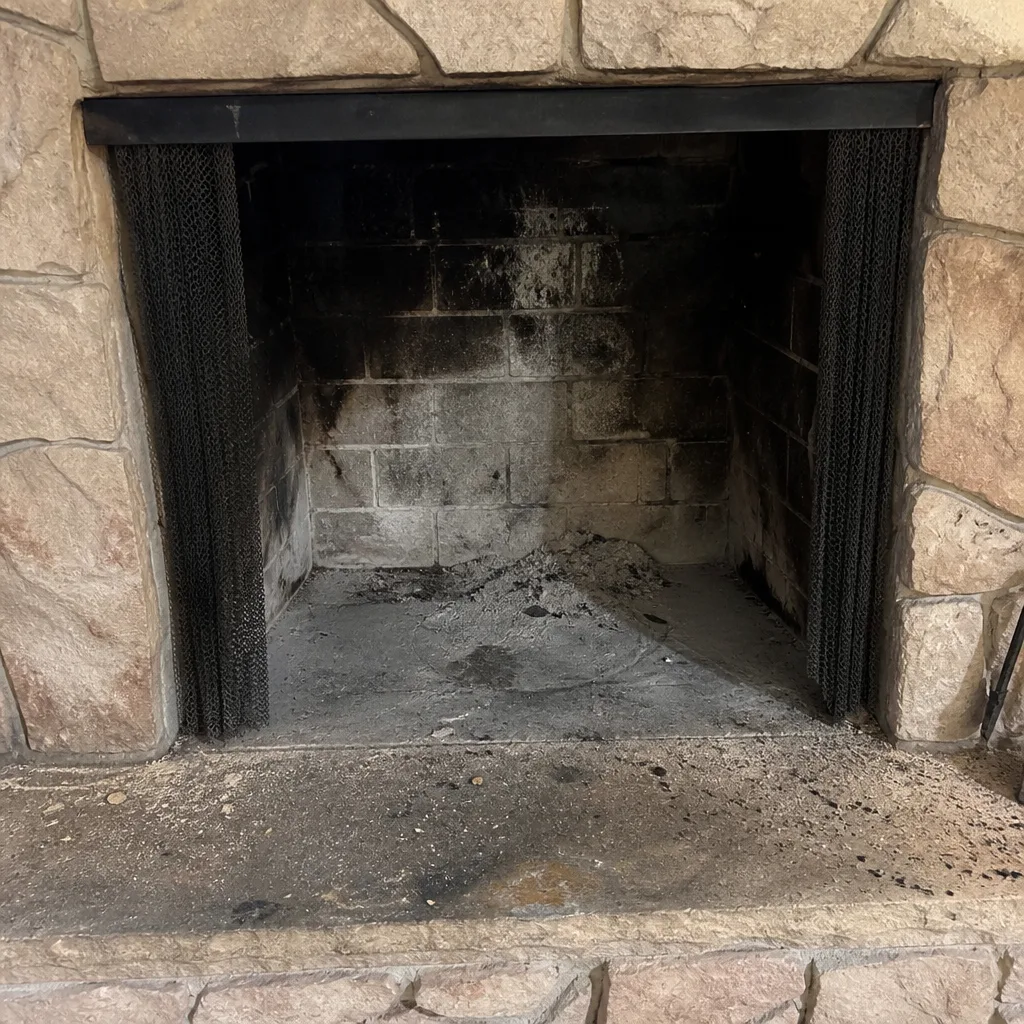 Before
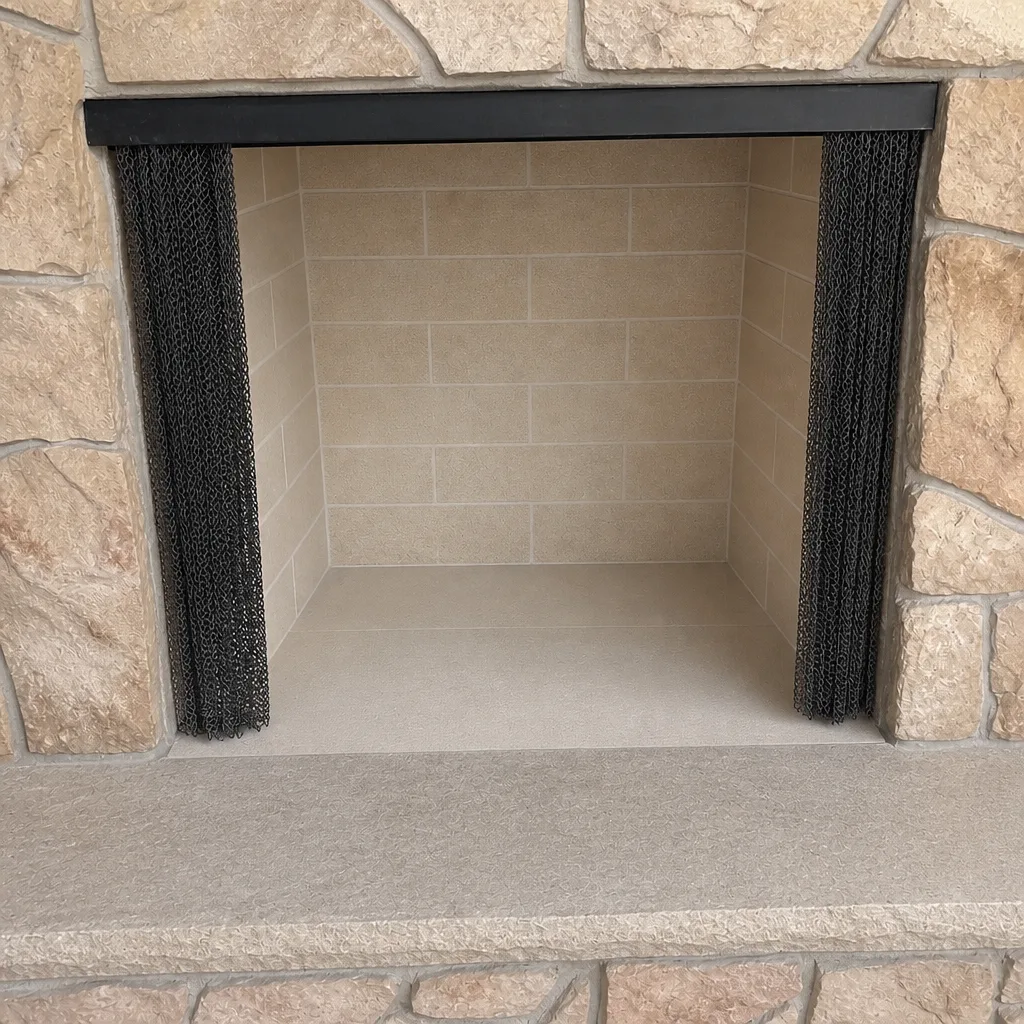 After
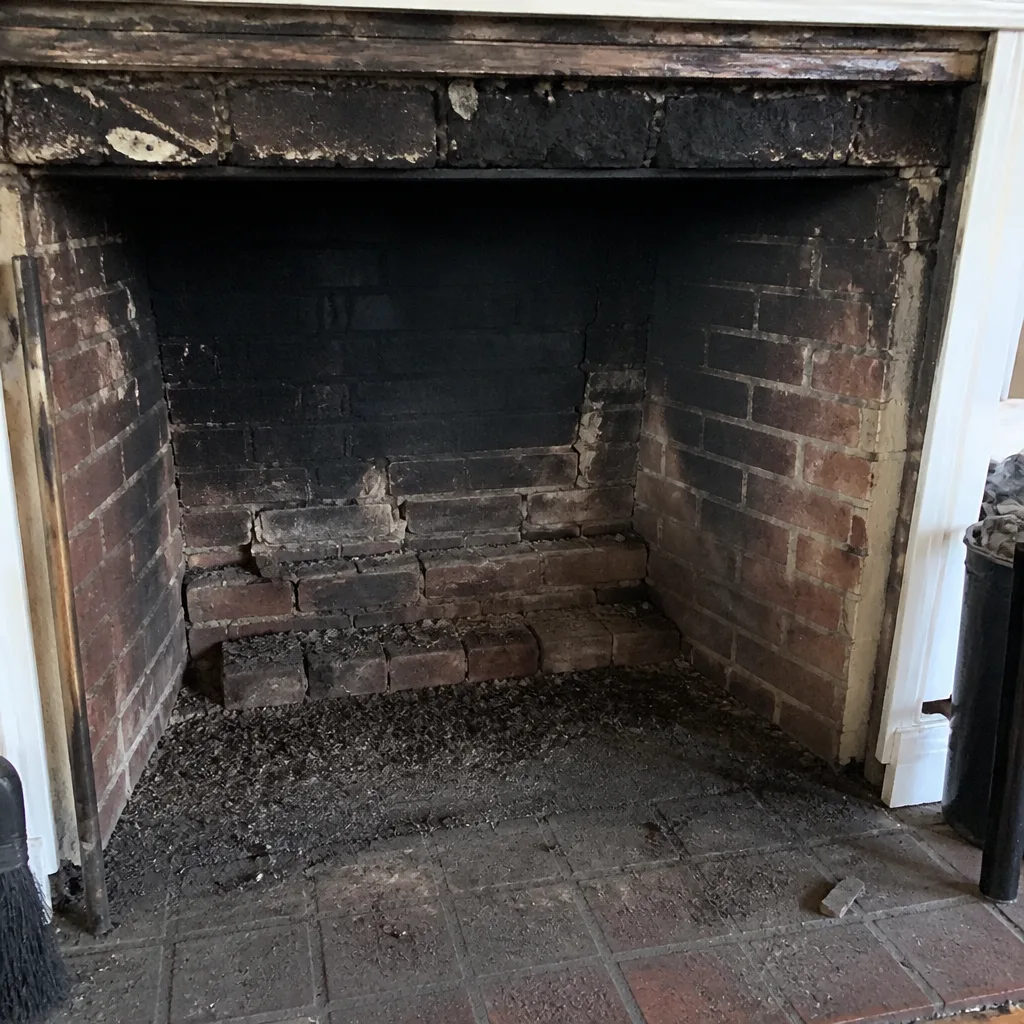 Before
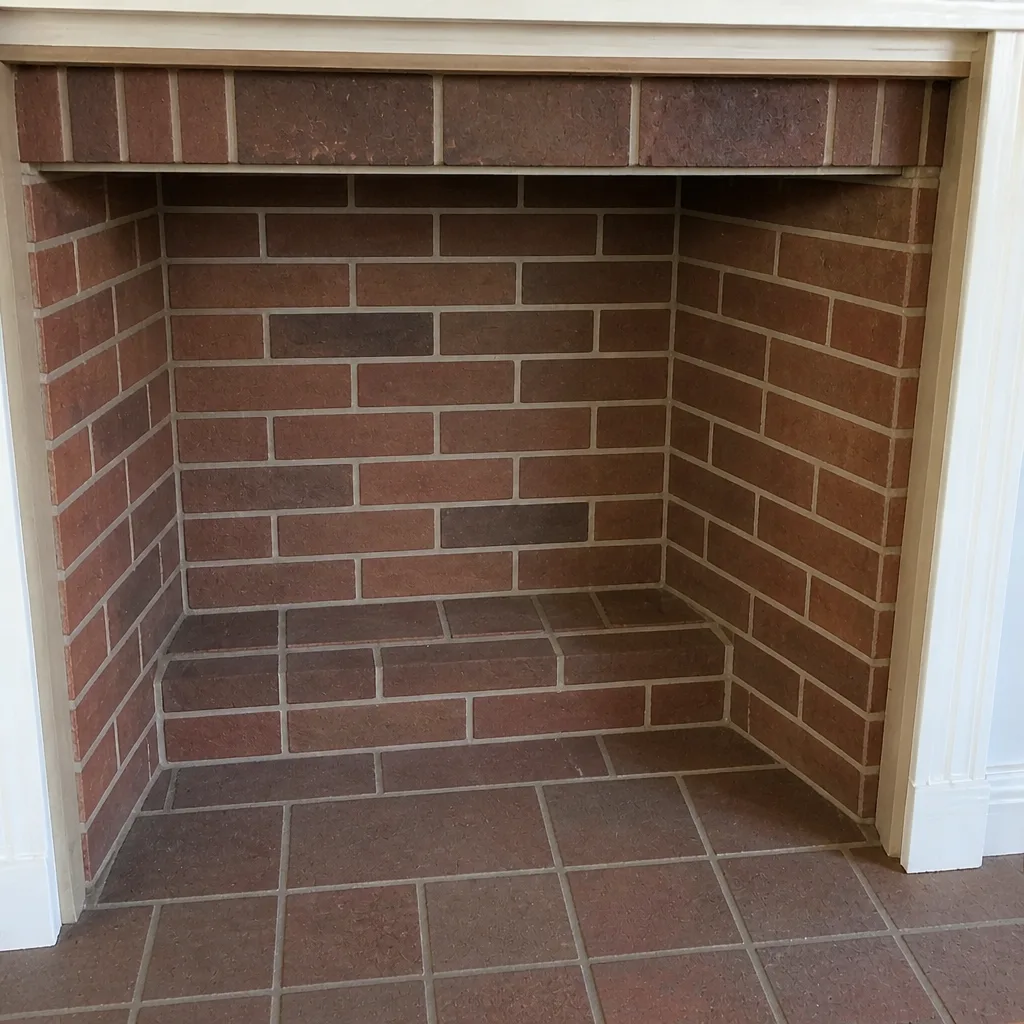 After