
Last updated November 25, 2026
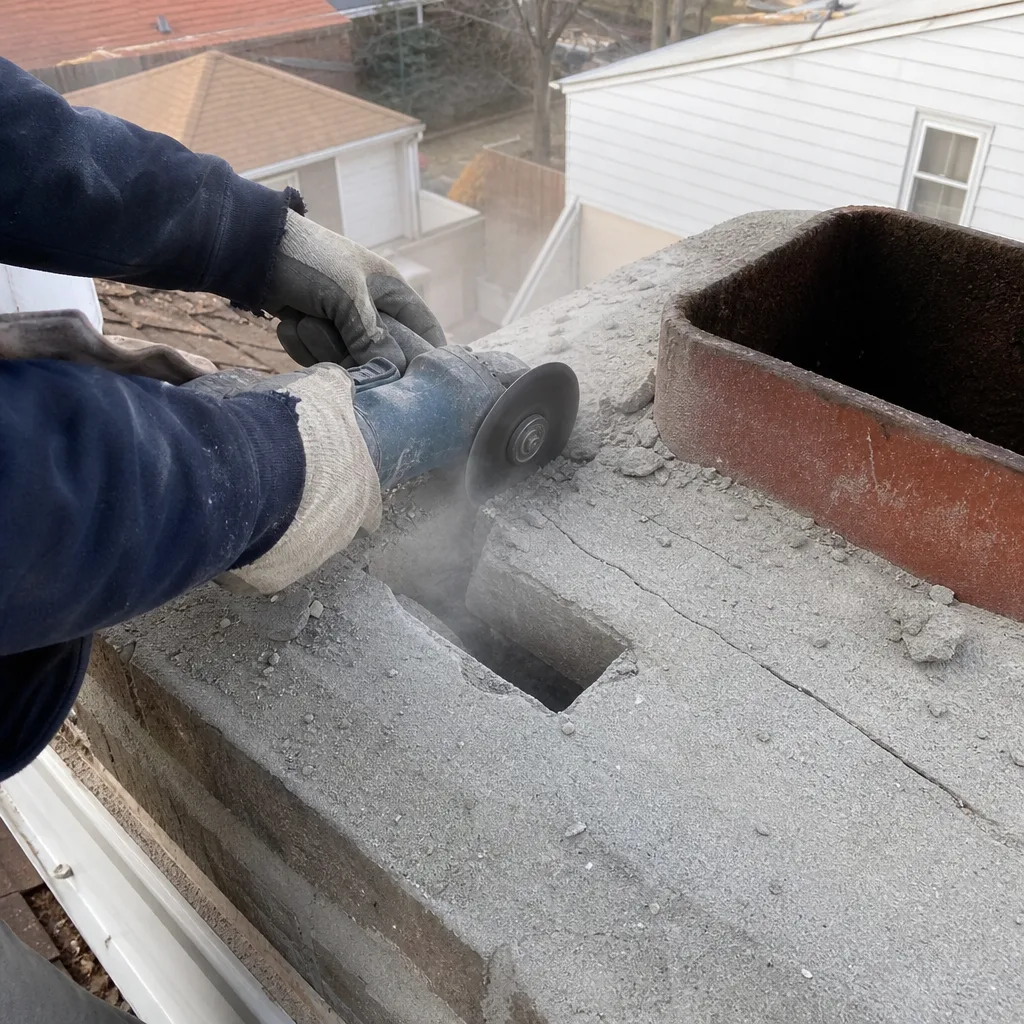
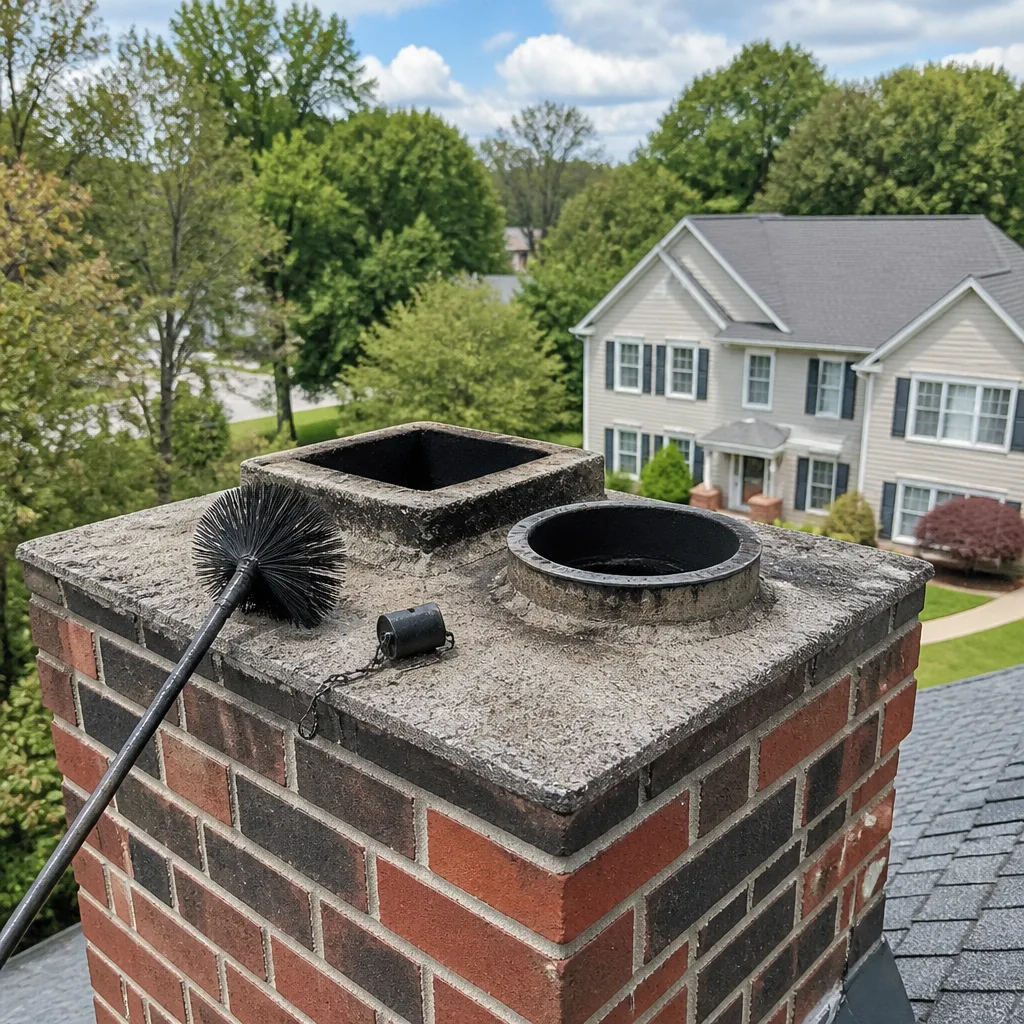 Sweep & inspection
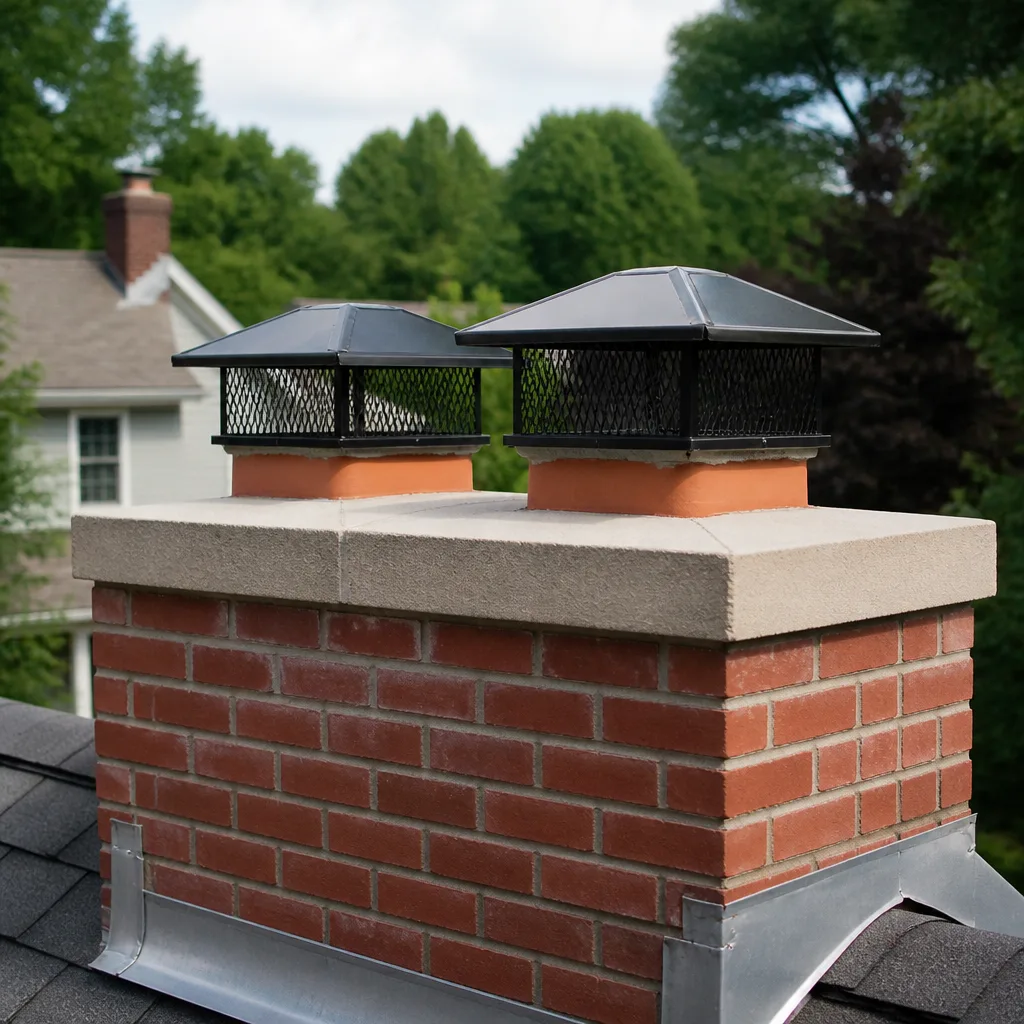 Caps & crowns
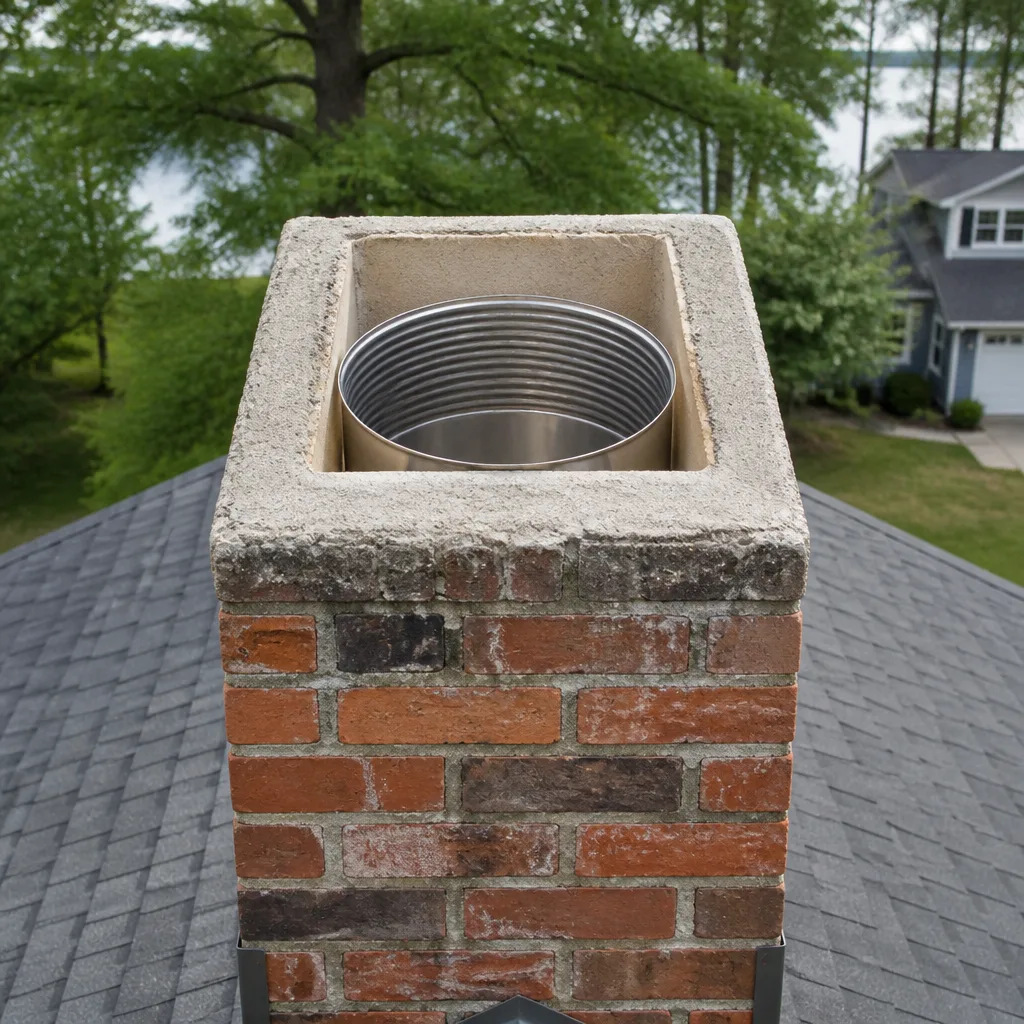 Flue relining
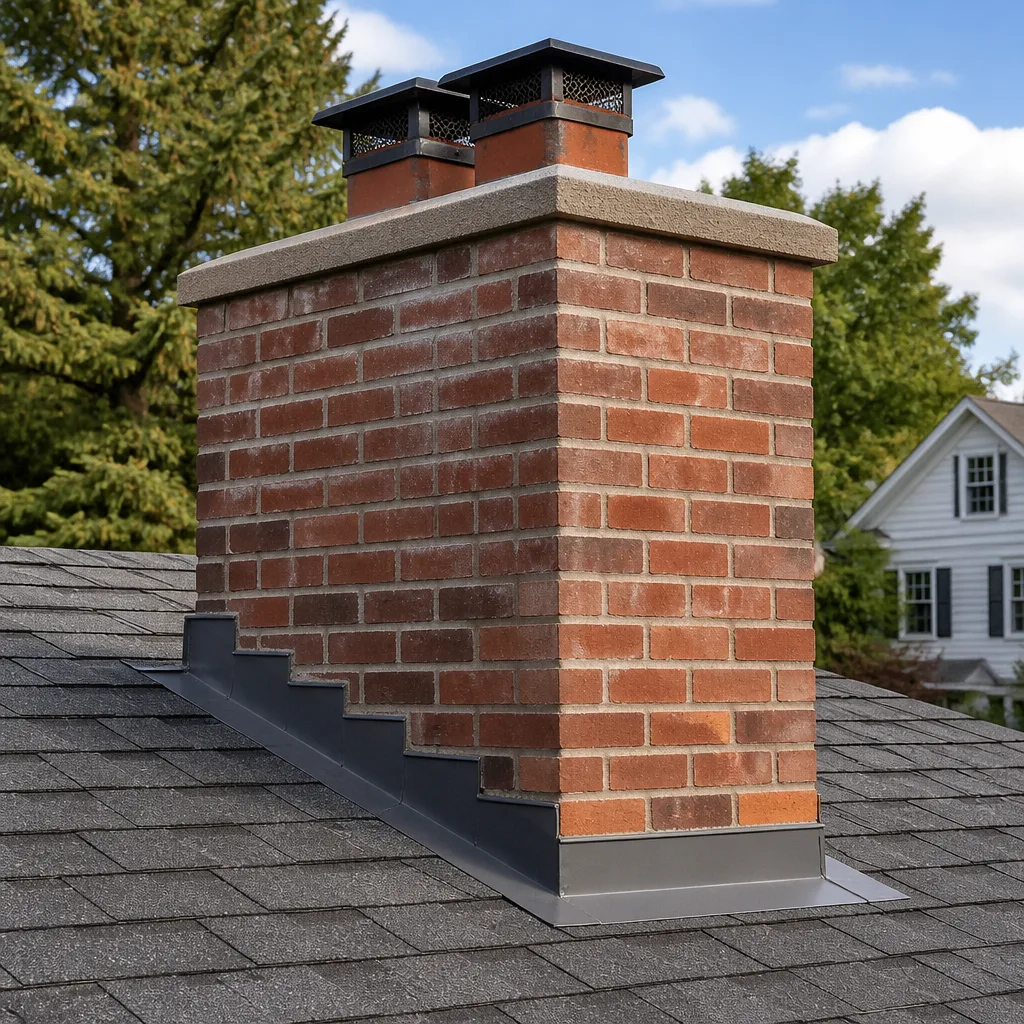 Masonry repair
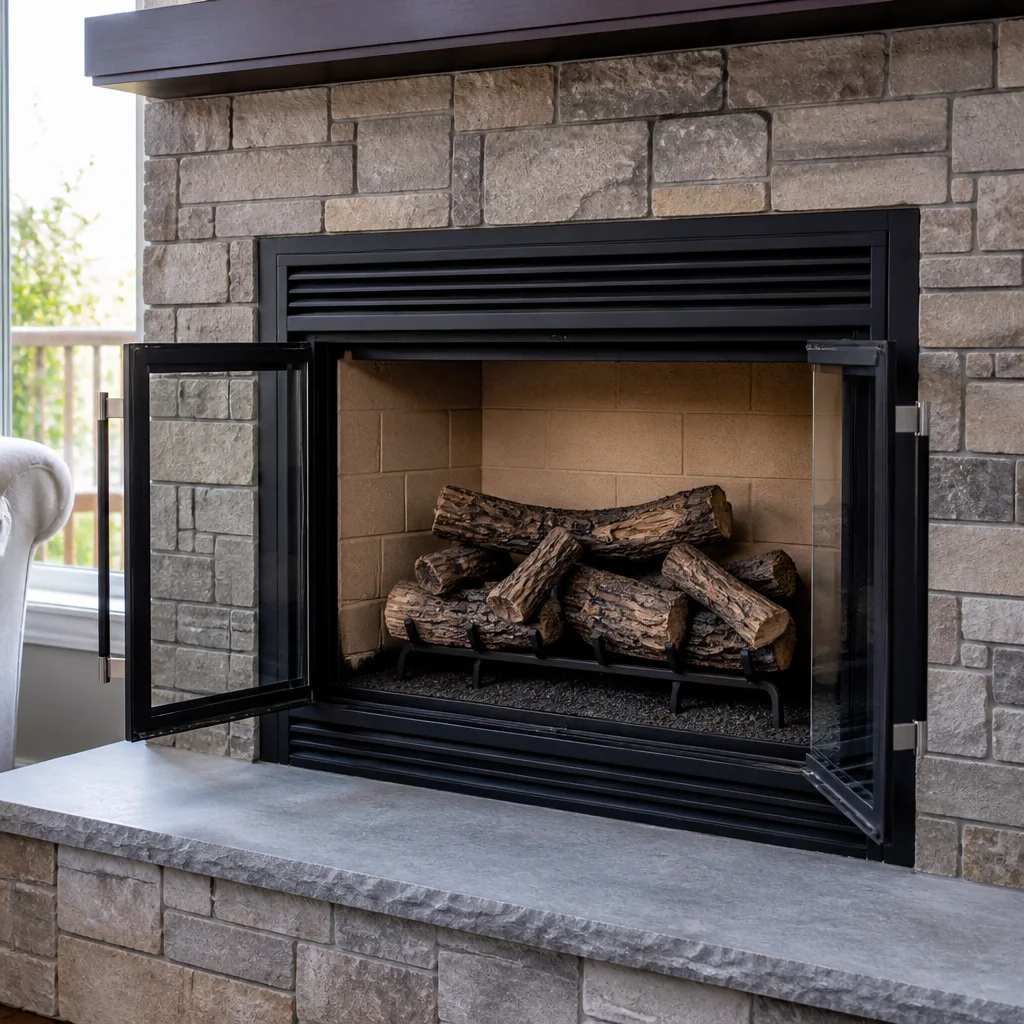 Gas fireplace service
Level 1 sweep and inspection to the NFPA 211 annual standard - flue, crown, cap, and flashing checked and photographed
Chimney sweep logs do not sweep chimneys. They loosen some creosote - which then falls where a brush and vacuum still have to collect it.
Choosing the Right Chimney Cleaning Brand: A Buyer’s Guide for South Ozone Park
Most homeowners judge a chimney company by the price on the estimate. The better test is the product list. There’s no regulatory body that stops a chimney contractor from installing an uncertified flexible liner in your flue, and the only standard that means a liner has actually been tested for the temperatures and gases it will meet is a UL 1777 listing. Asking for it by name takes five seconds. This guide teaches South Ozone Park homeowners to ask about products by name, read a material spec sheet the way a technician does, and understand what the answers reveal about how a company approaches quality control.
Quick Answer
The right chimney cleaning company in South Ozone Park is the one that names its materials in writing, specifies product and gauge on the proposal, can show UL 1777 listing for any flexible liner before it goes in the flue, and offers HeatShield resurfacing without treating it as a mystery upgrade. Brand names on an estimate are a quality-control record you can check. Vague words like “stainless liner” are not.
Styles & brands we work with
- Sweep & inspection
- Caps & crowns
- Flue relining
- Masonry repair
- Gas fireplace service
Table of Contents
- Why the Brands on an Estimate Matter More Than the Price
- Liner Systems: What UL 1777 Listing Actually Means
- Resurfacing vs. Replacement: What HeatShield Cerfractory Requires
- Crown Sealants, Waterproofing, and Creosote Treatments
- How to Read a Chimney Material Spec Sheet
- Named Materials as Default vs. Premium Upsell
- Seven Questions to Ask Any Chimney Company
- How to Verify a Brand Claim Before You Sign
Why the Brands on an Estimate Matter More Than the Price
A chimney system is a small stack of products that have to survive heat, acidic condensate, and freeze-thaw cycling for decades. The liner, the crown sealant, the cap, and the waterproofing are all things. Each was either engineered for chimney conditions or adapted from another trade, and the difference shows up years later, not the day of the job. A technician who defaults to unnamed store-brand sealants and uncertified flex liner is telling you something about how he approaches quality control. A technician who writes “Olympia Chimney Flex” or “HeatShield Cerfractory Flue Sealant” on the proposal is giving you something you can look up.
In South Ozone Park, that matters in a specific way. The housing stock here is dense, and a lot of it is older masonry construction where the flue was built by hands that are no longer around to describe it. When a flue was parged with the wrong mortar or relined with whatever fit, the next technician inherits a mystery. Named materials shorten the list of unknowns. They also let a home inspector or a future buyer verify what was installed and when. We see this same gap in ordinary heating-season calls: the flue problem is rarely the fire, it’s a product that was never asked to be anything better than generic.
Liner Systems: What UL 1777 Listing Actually Means
UL 1777 is the standard for chimneys and venting. A flexible stainless liner that carries a UL 1777 listing has been tested as a system for the temperatures and combustion gases it will actually encounter in service. A liner without that listing is a stainless tube with no test history behind it. There is no inspection that replaces the listing after installation; the time to check is before the work starts.
Two things separate the named liner systems from generic flex tube: the alloy and wall thickness are specified, and the listing is traceable to the manufacturer. Olympia Chimney and DuraFlex are the kinds of product lines that come with documented specifications. That documentation is the whole point.
Here’s how to check before installation rather than after:
- Ask for the product name and the manufacturer’s model designation in writing.
- Ask for the UL 1777 listing reference for that exact system, not for the brand in general.
- Ask what alloy and wall gauge is being installed for your flue size and appliance type.
- Confirm the proposal states the liner is insulated if the flue runs against an exterior wall.
- Ask whether the old flue will be cleaned and inspected first, and whether you’ll see the camera evidence.
If any of those answers come back as a shrug, you’ve learned something worth knowing before the work begins. In our experience, a flexible liner system that’s properly listed is also the harness-friendly kind of repair: a stainless flex liner can usually be drawn through the existing flue, so the chimney doesn’t have to be demolished to get a sound vent.
For the fitting itself, small details decide the outcome. A South Ozone Park homeowner with a mature masonry chimney should be able to see where the liner terminates, how the top plate is sealed, and what was used at the appliance connection.
That’s the standard every chimney company should meet: a listed system, specified in writing, installed so you can see the evidence. When the system is right, a routine chimney sweep keeps it working for years.
Resurfacing vs. Replacement: What HeatShield Cerfractory Requires
Not every damaged flue needs a new liner. HeatShield Cerfractory Flue Sealant is a ceramic resurfacing product applied from inside the flue to restore a failing parge coat or seal cracks in a masonry chimney. When it’s appropriate, it repairs the liner you have instead of replacing it. That can be a materially cheaper path than a full reline, and it’s a process not every chimney company offers.
Here’s the part worth understanding. HeatShield is a proprietary, licensed application. A contractor must be trained and credentialed to apply it to the manufacturer’s specification, and the application is done by a technician working from inside the flue with specialized tooling, at a controlled thickness. A company that offers “resurfacing” without that training and authorization is a red flag, full stop. The product applied incorrectly can crack, spall, or bond poorly, and the homeowner has no way to know until the next heating season.
Ask directly:
- Are you a licensed HeatShield applicator, and can you show the certification?
- Will you inspect the flue and confirm the masonry is sound enough for resurfacing rather than a reline?
- What’s the specified thickness of the coating for this flue size?
- Do I get a written report and photos before and after?
If a company can answer those questions, resurfacing can be the smarter spend. If it can’t, it’s a sales pitch. The honest answer is sometimes that the flue is too far gone and a listed flex liner is the right call. Both are legitimate. Only one of them comes with a paper trail.
Crown Sealants, Waterproofing, and Creosote Treatments
The crown is the concrete top of the chimney, and it’s the first thing water attacks. A fractured crown lets water into the masonry, and over a few winters that water freezes, expands, and splits brick faces. The fix isn’t cosmetic. Crown repair with a purpose-built sealant such as CrownCoat (a flexible membrane product) is different from smearing hydraulic cement into a crack, because the flexible sealant moves with the masonry as the seasons change. Hydraulic cement is the right material for a new crown; it is not the right material for sealing the cracks in an old one.
The same logic applies to waterproofing. Consumer-grade silicone from a hardware store breaks down faster than a masonry-specific breathable water repellent, which lets vapor out but keeps liquid water from soaking in. Look for the product’s chemistry on the label, not just the word “waterproof” on the bottle. For creosote, treatments like Anti-Creo-Soot and CS-100 are used to help make the next sweep easier and to reduce buildup in the flue over a season. They’re supplements, not substitutes for a physical sweep, and a company should say so plainly.
Get these details in writing on the proposal:
- The specific product name and manufacturer for crown repair and waterproofing.
- Whether the crown will be rebuilt or coated, and why.
- Which creosote treatment (if any) is being applied, and why.
- What the cap and crown work will use: Gelco and Famco components are engineered for chimney applications, not adapted from other trades.
If the proposal just says “waterproofing” and “crown repair,” it’s a placeholder, not a specification. Cap and crown work is where a lot of companies quietly install generic parts. Purpose-built chimney cap & crown components are part of the standard, not an upgrade.
How to Read a Chimney Material Spec Sheet
A legitimate proposal names what’s going into your chimney, and names it in a way you can verify. A vague proposal hides behind a category word. The difference matters most on liners, where the gauge and the listing do the actual work. Here’s a plain-language translation of both styles.
- Liner: A legitimate proposal names the manufacturer and product line, the alloy, the wall gauge, and the UL 1777 listing. “Stainless liner” alone is not a specification.
- Insulation: Specified as a product with a stated type and wrap, not “insulated.”
- Resurfacing: Names the product (for example HeatShield Cerfractory Flue Sealant) and the applicator credential.
- Crown: Names whether it’s a rebuild in mortar or a flexible membrane repair, plus the product.
- Cap: Names the manufacturer, the style, and the screen gauge.
- Waterproofing: Names the product type and whether it’s breathable masonry repellent or a surface sealer.
A vague proposal that just says “stainless liner” and “crown repair” isn’t necessarily dishonest. It’s a warning that whoever wrote it either doesn’t know the products or doesn’t want you to know. Both are reasons to get a second written estimate with names on it. The best proposals also attach the inspection findings, so the chimney repair recommendation is tied to something you can see, not a category word.
One local detail: in South Ozone Park, a lot of homes have chimney exteriors exposed on two faces or more, which accelerates crown and waterproofing wear. A proposal that treats the crown as a separate optional line item is worth reading carefully. The crown protects everything under it.
Named Materials as Default vs. Premium Upsell
This is the distinction that tells you the most. Some companies use named materials as their baseline standard. Others use unnamed materials as the baseline and offer the good stuff as a premium add-on. Ask which one you’re looking at, and listen for whether the company flinches.
A company that specifies DuraFlex, Olympia Chimney, Gelco, or HeatShield as its default is telling you that quality control is built in. You don’t have to know the brands to benefit from that. A company that offers generic flex tube and charges a premium to “upgrade” to a listed liner is telling you that the base offer is one it wouldn’t specify for its own home. That’s the real signal.
The upsell pattern shows up in a few places:
- The base estimate says “stainless liner,” and the “upgrade” names a brand.
- The crown is quoted in hydraulic cement, with a flexible membrane listed as an optional upgrade.
- The cap is quoted generically, with a branded cap as an add-on.
- Resurfacing is offered only when you ask for it, not presented as an option in the diagnosis.
We name the materials we use because you should know what’s going into your chimney. That’s a baseline, not an upgrade. The Chimney Sweep South Ozone Park specialists who handle sweep through structural work treat product specification the same way.
Seven Questions to Ask Any Chimney Company
You don’t need to be a chimney technician to vet a chimney company. You need seven questions and the willingness to write down the answers. Ask them before you book, and you’ll learn more about the company than any review page tells you.
- What brand and model of liner will you install in my flue, and what’s the UL 1777 listing?
- What is the alloy and wall gauge, and is the liner insulated?
- Are you a licensed HeatShield applicator, and can you show the certification?
- Do you inspect before recommending repair, and will I get the camera inspection findings and photos?
- Which crown and cap products will you use, and why those rather than others?
- What waterproofing product will you apply, and is it breathable masonry repellent?
- Will you tell me plainly when a repair can safely wait?
If the answer to question seven is “no” or a laugh, the company is selling urgency, not service. A chimney company worth hiring has no trouble telling you what can wait. In our experience, South Ozone Park homeowners hear that answer and book on the spot. The free estimate is the place to ask.
How to Verify a Brand Claim Before You Sign
Brand claims are checkable, and checking takes about as long as a phone call. Start with the manufacturer’s own website, which lists its products and the credentials it requires of contractors. A licensed HeatShield applicator, for example, should be able to show certification and the training behind it. A liner system should have a UL 1777 listing you can confirm before the work begins, not after.
A legitimate proposal will also let you match the product to the job: the liner for a flue of your size, the crown product being applied, the cap style. If the estimate names a brand but not a product line, ask for the line and the model. The named brands are the ones customers and inspectors can verify, and that’s the point.
Two things to confirm locally before work starts:
- Ask if a permit is required for your job. Most municipalities require one for a new liner or structural repair, and the company should know the process for your borough or city building department.
- Ask for the company’s credentials as a licensed and insured contractor in the state, and put the answer in your notes.
If the answers line up, you’ve done the verification. If they don’t, you’ve saved yourself a problem. Either way, you’re making the decision on evidence rather than price alone.
Common Mistakes to Avoid
- Accepting “stainless liner” as a specification. It tells you a category, not a product, and it’s how a generic flue liner slips past a homeowner who asked the right question at the wrong level of detail.
- Booking a sweep before a sweep company confirms it inspects. The sweep is the first step, but a thorough inspection with camera findings is what protects the home. A company that quotes a sweep without an inspection quote is likely doing half the job.
- Treating HeatShield resurfacing as interchangeable with generic ceramic paint. A non-credentialed contractor can buy a similar-looking product, but the application and the certification are what make it a repair rather than a gamble.
- Taking the “upgrade” price as proof of quality. If a listed liner is presented as a premium add-on, the base offer is a product the company wouldn’t specify for its own flue.
- Assuming a current edition of the local code doesn’t apply to you. Most municipalities require a permit for a new liner or a structural repair, and a company that never mentions permitting is one to question.
- Skipping the crown and waterproofing conversation to save the line item. Water entering a split crown is the slowest and most expensive repair path in the whole system.
- Allowing a brand-name-only answer on the estimate. A named brand with no model or gauge on the spec sheet is a claim, not a specification.
See the difference
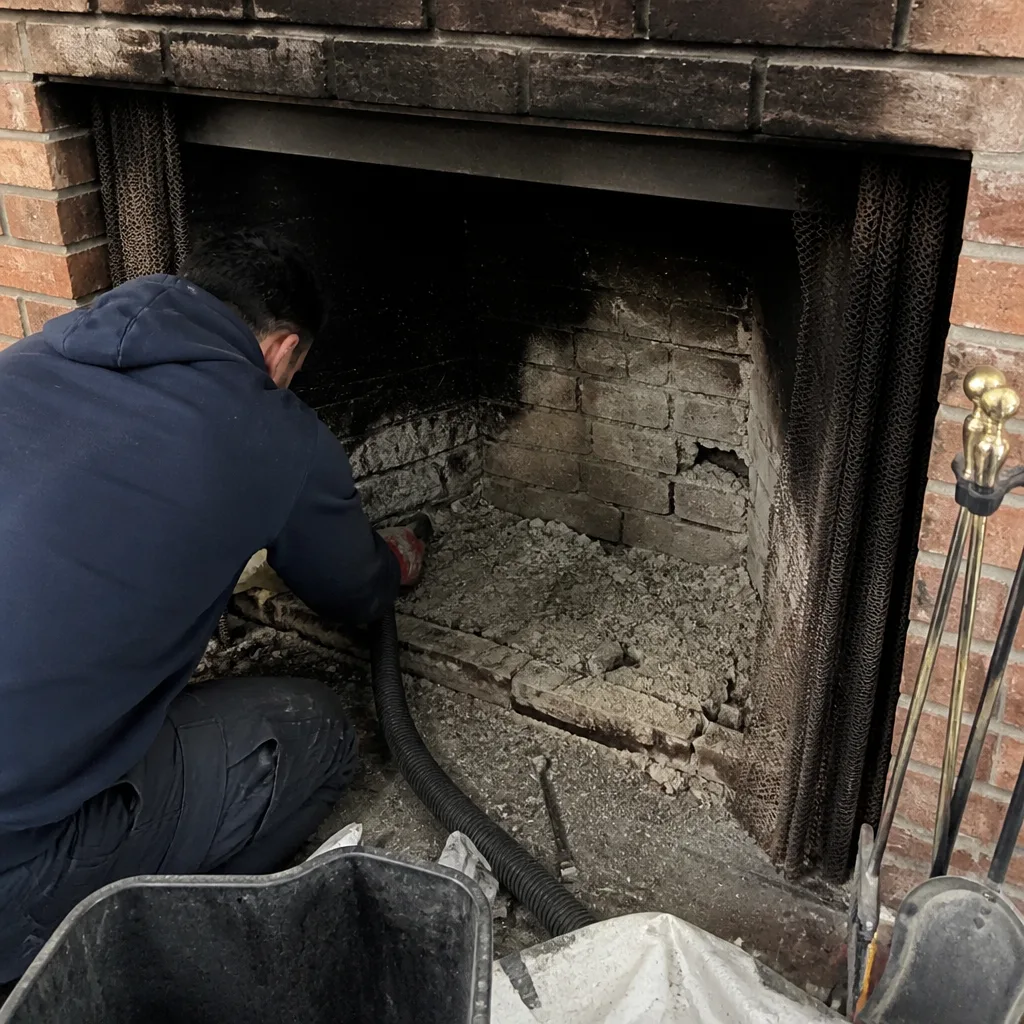 Before
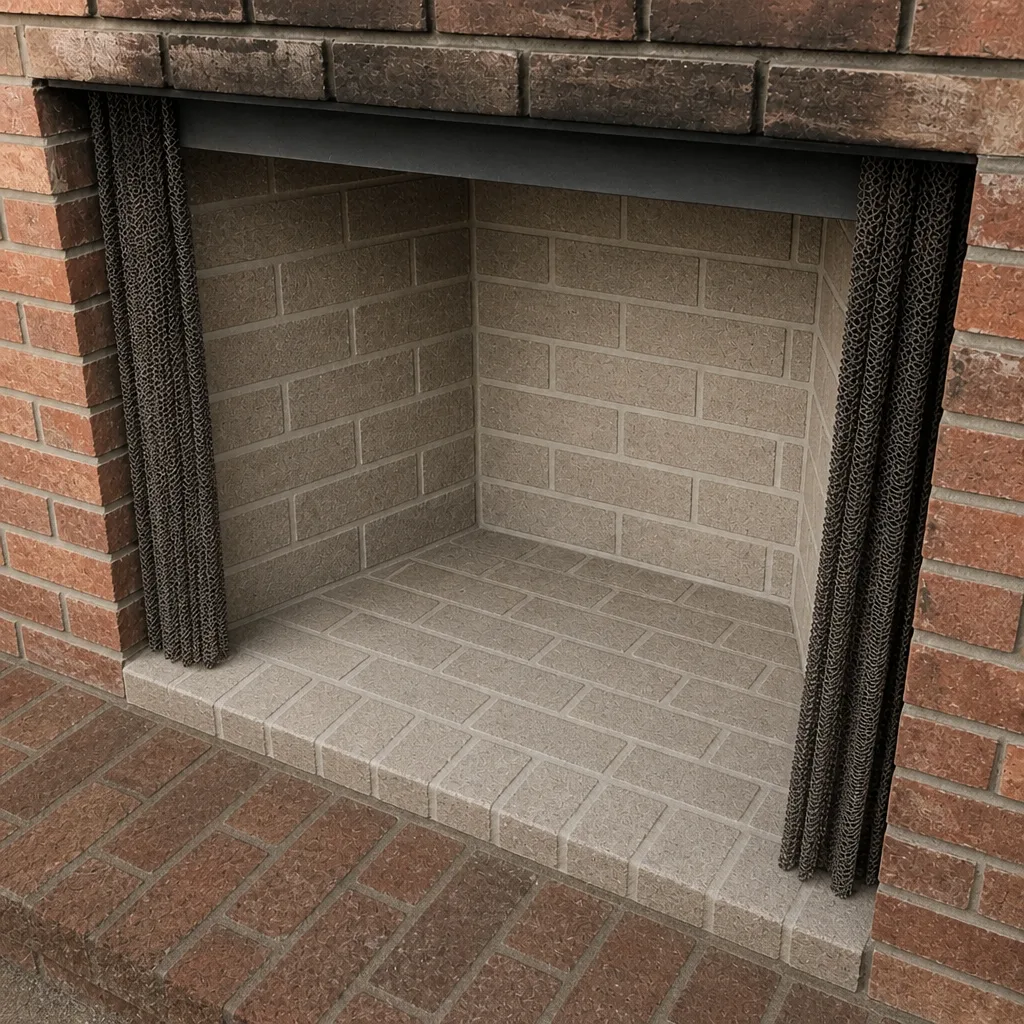 After
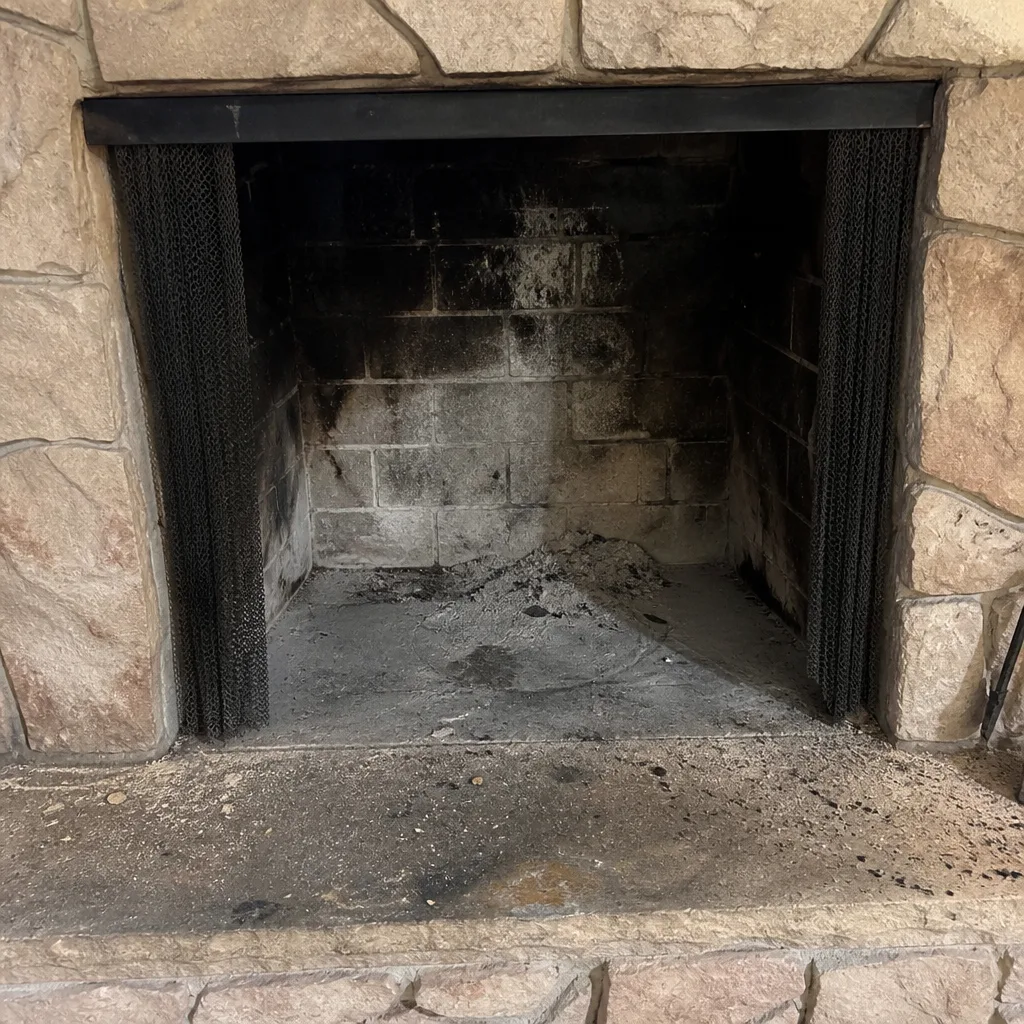 Before
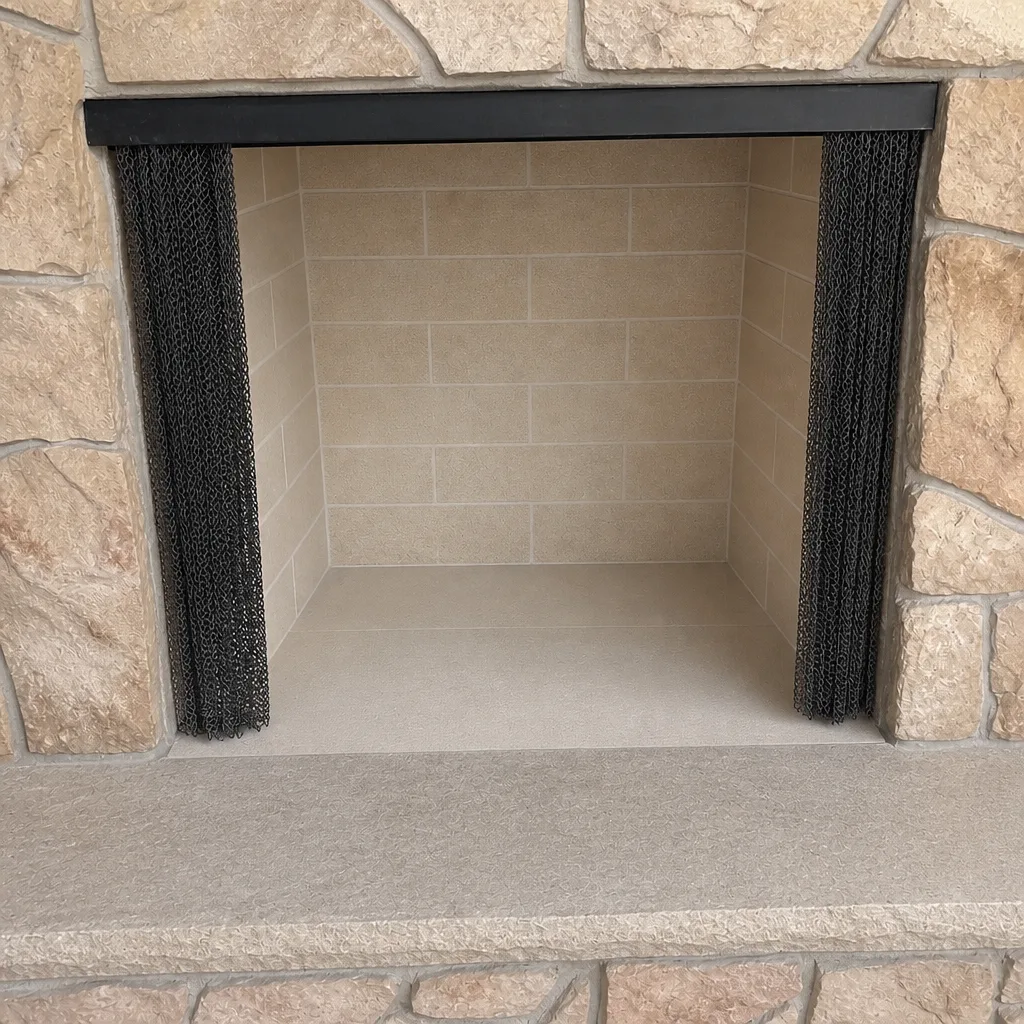 After
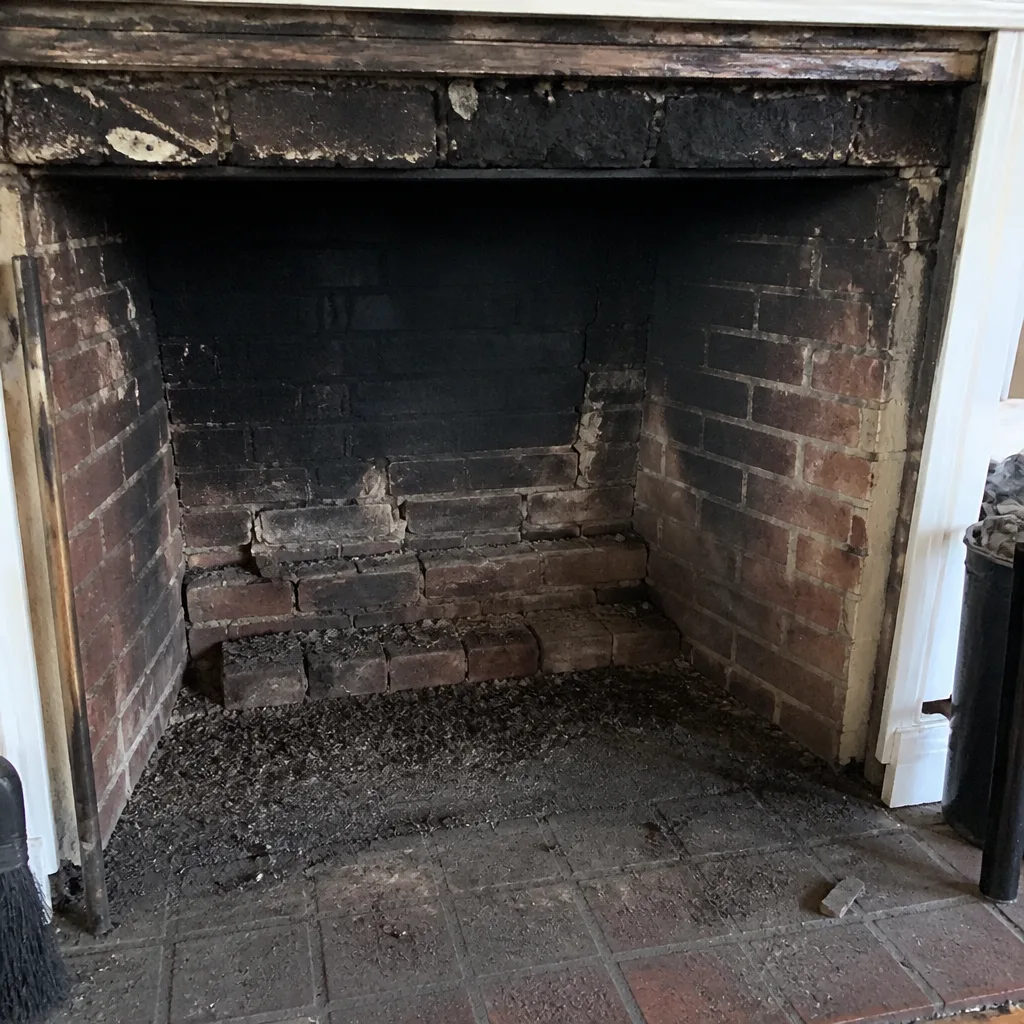 Before
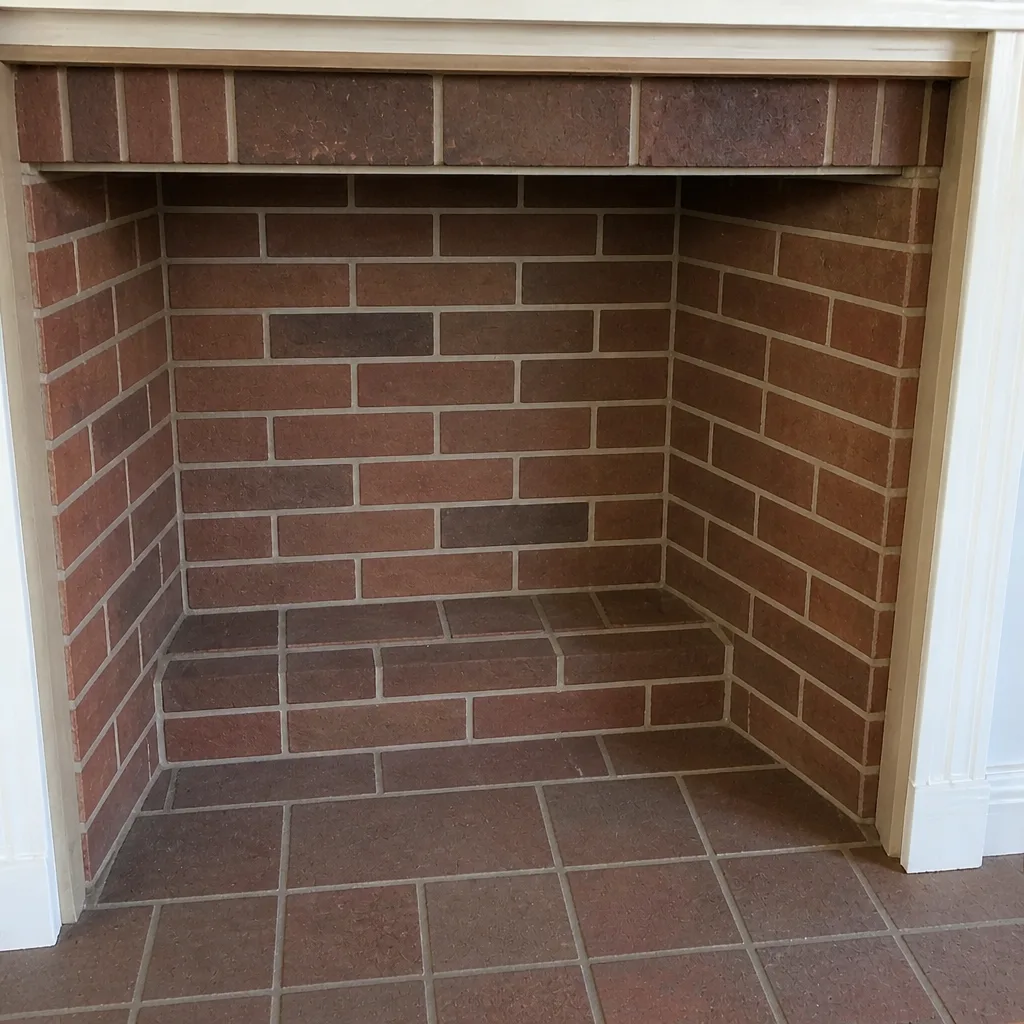 After
When to Call a Professional
Call a professional before the heating season, not after. If the flue was last swept more than a season ago, if the crown looks cracked from the ground, if the damper doesn’t close flush, if there’s a smell of creosote in the house, or if the fire is reluctant to draft, those are all inspection prompts. A chimney fire or a carbon monoxide alarm is an immediate call, never something to work out yourself. Any work inside the flue, at the crown, or around an electrical or gas appliance connection is work for a trained technician, not a weekend project. Chimney Sweep South Ozone Park offers free estimates in South Ozone Park. Call (877) 492-4232.
Frequently Asked Questions
The best choice in South Ozone Park is the company that puts product names, model lines, and gauges on the written proposal, can verify UL 1777 listing for a flexible liner before installation, and offers HeatShield resurfacing as a licensed applicator. Price is downstream of those three. Ask the seven questions in this guide and the answer will be obvious from the responses. Call (877) 492-4232 for a free estimate and we’ll send a proposal with the materials named.
UL 1777 is the testing standard for chimneys and venting, and a liner that carries it has been tested as a system for the temperatures and gases it will encounter in service. A liner without that listing has no test history behind it. Ask for the listing reference before the work begins, not after, because there’s no inspection that replaces it once the liner is in the flue.
Often the existing flue can be resurfaced with HeatShield Cerfractory Flue Sealant rather than replaced with a new liner, and the deciding factor is the condition of the masonry found during inspection. A licensed applicator will confirm whether the flue is sound enough for resurfacing or whether a listed flex liner is the correct path. The recommendation should come with the camera findings you can see. Call (877) 492-4232 for an exact quote, and estimates are free.
HeatShield is a proprietary, licensed product, and a contractor or applicator must be trained and authorized to apply it to specification. A company offering resurfacing without that credential is a red flag because a misapplied ceramic coating can crack or spall, and the homeowner won’t know until the next heating season. Ask to see the certification before the work is scheduled.
A chimney serving a regularly used fireplace should be swept at least once a year and inspected at the same time. If the appliance is used heavily or burns wood that leaves a lot of creosote, twice a year is reasonable. The inspection is the part that catches crown and liner problems early, so the sweep and inspection should be booked together. Call (877) 492-4232 and we’ll book a sweep and inspection into the next opening, Sunday through Friday, from 7am to 7pm.
Skipping a sweep allows creosote to build up in the flue, and creosote is the fuel that chimney fires burn. Skipping a crown repair lets water into the masonry, which splits brick faces over successive winters. Neither problem announces itself until it’s expensive. A professional sweep with inspection catches both early. Call (877) 492-4232 for an exact quote, and estimates are free.
The Bottom Line
The products on a chimney estimate are a quality-control record. A company that names its liner, its crown product, and its waterproofing in writing can be checked, and a company that hides behind category words cannot. In South Ozone Park, that means asking for UL 1777 listing on any flex liner, confirmation that HeatShield resurfacing will be done by a licensed applicator, and purpose-built crown and cap components rather than substitutes. Those answers separate a specialist who treats materials as the standard from a company that treats them as an upsell. Call (877) 492-4232 for a free estimate. We answer 24/7. Fast dispatch from 7am to 7pm, Sunday through Friday.
Written by the team at Chimney Sweep South Ozone Park.