
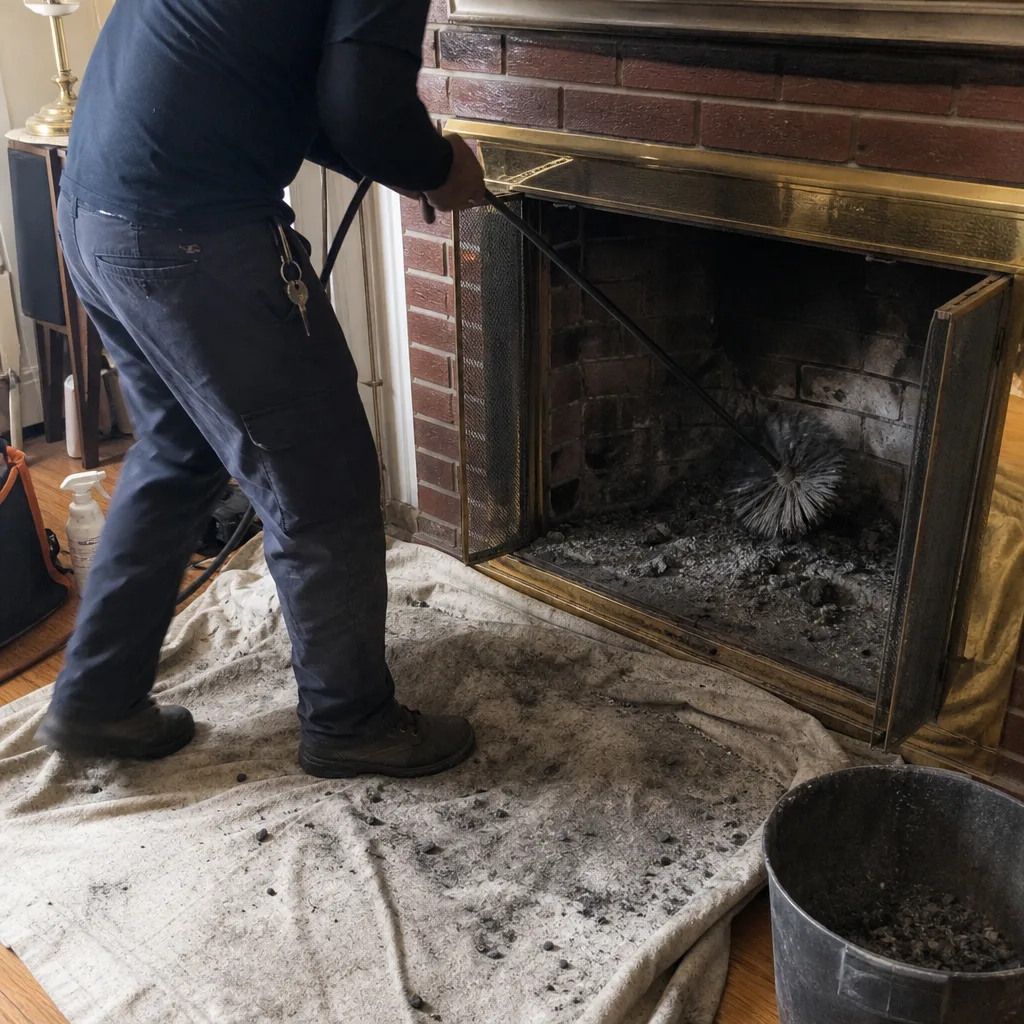
Last updated November 25, 2026
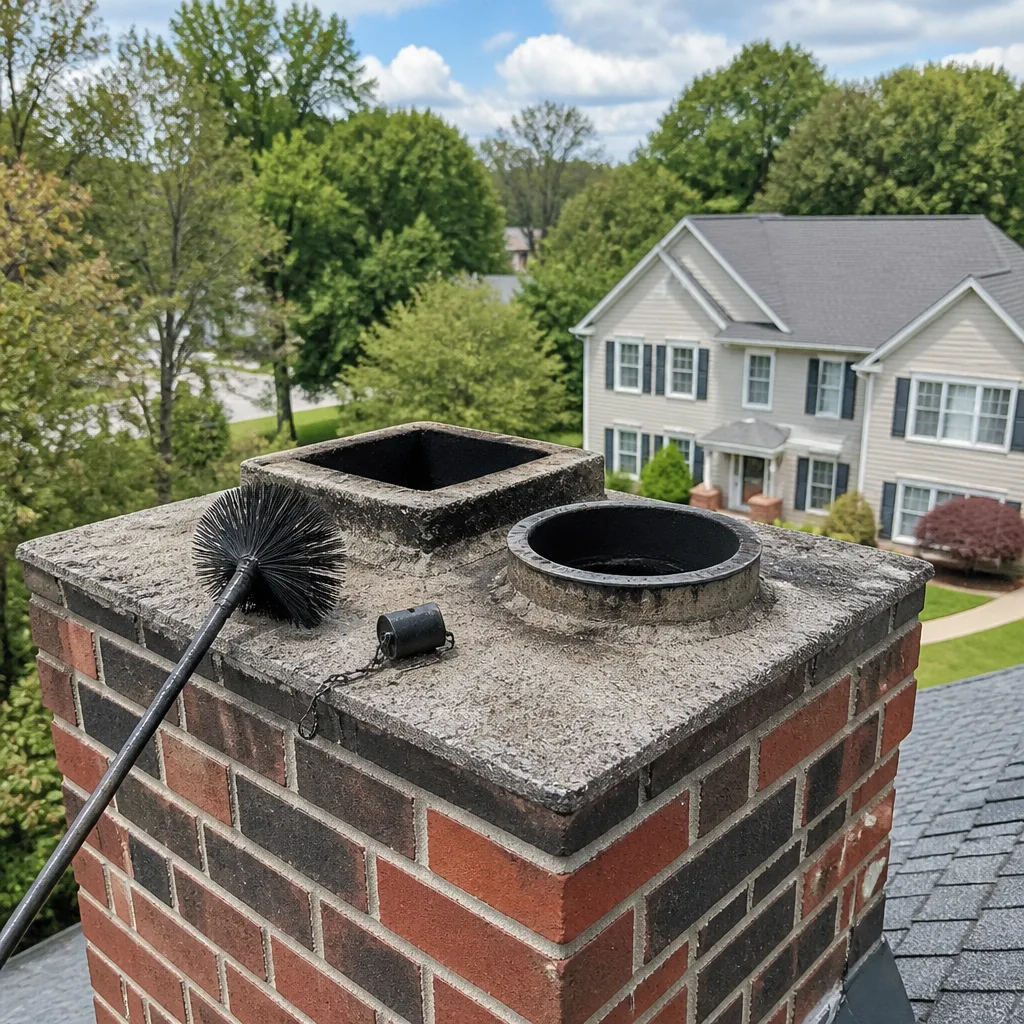 Sweep & inspection
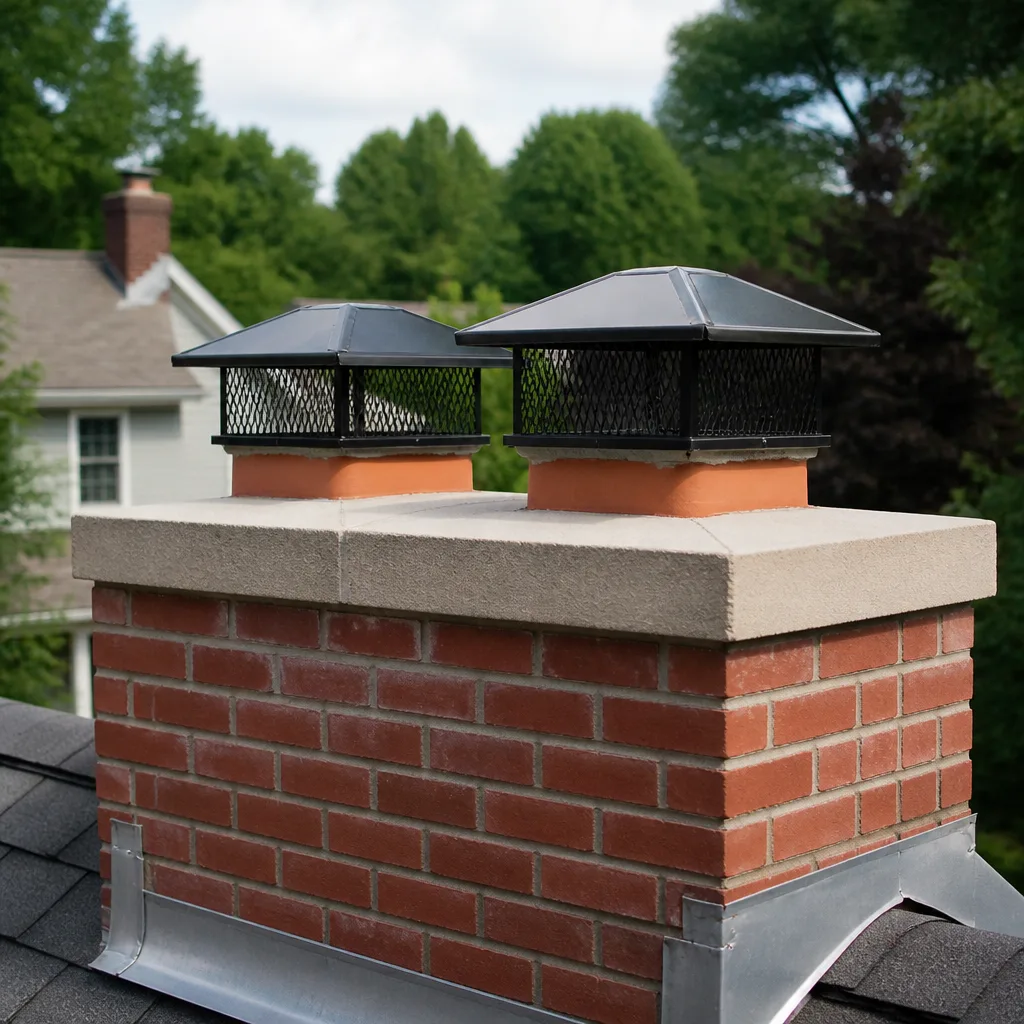 Caps & crowns
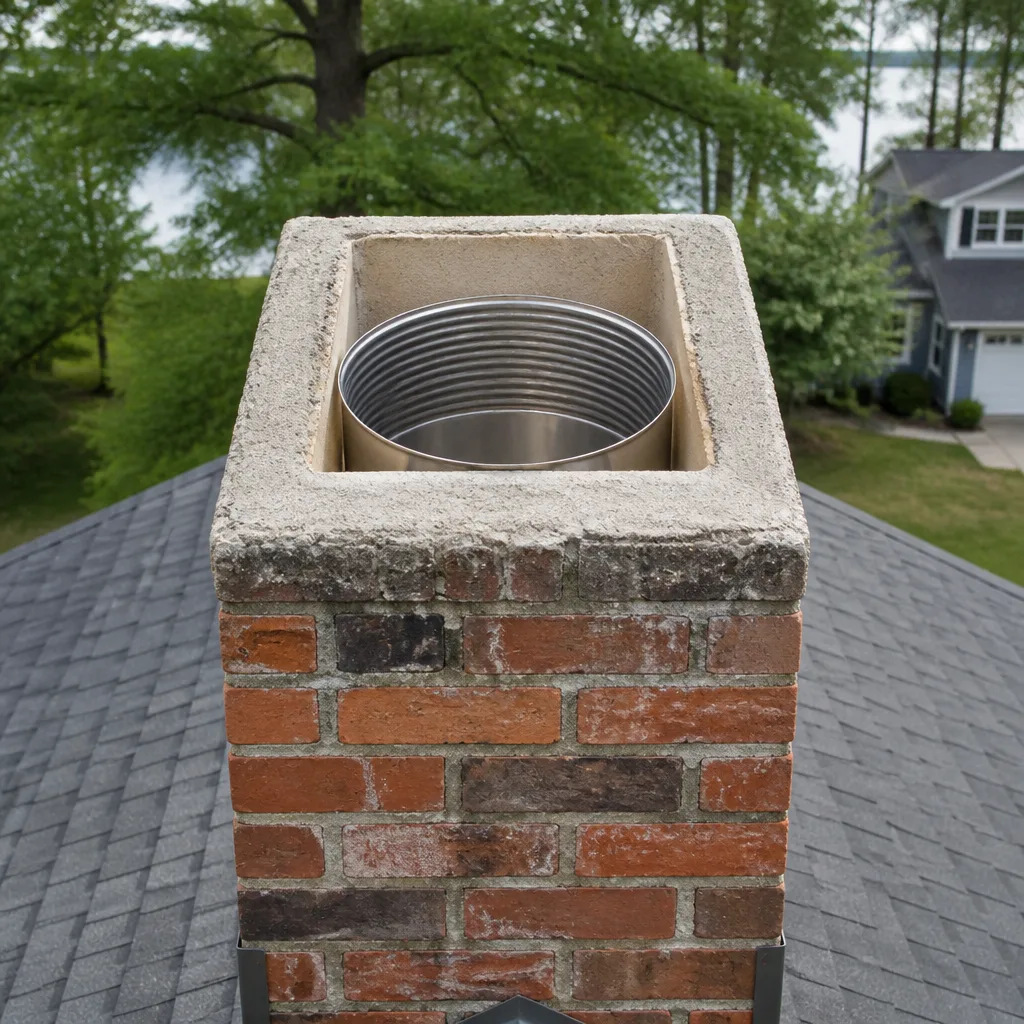 Flue relining
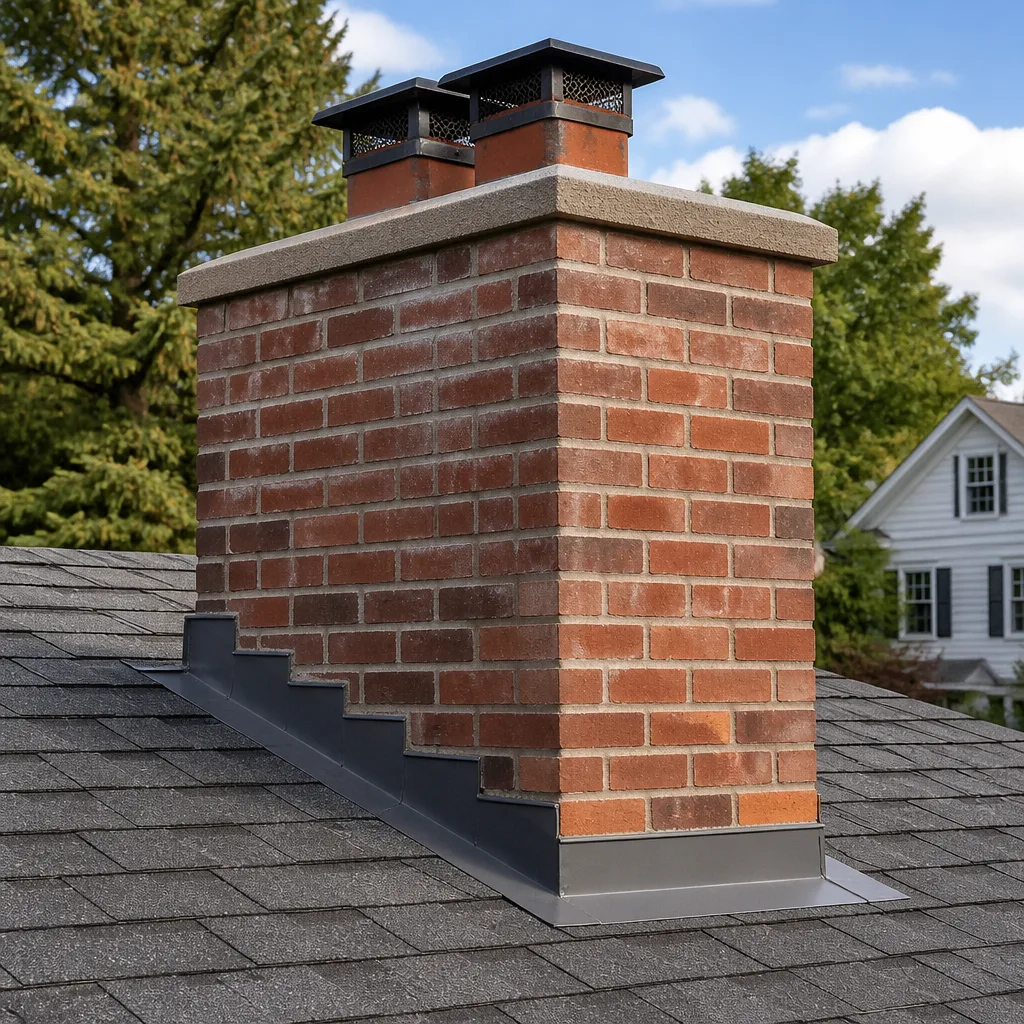 Masonry repair
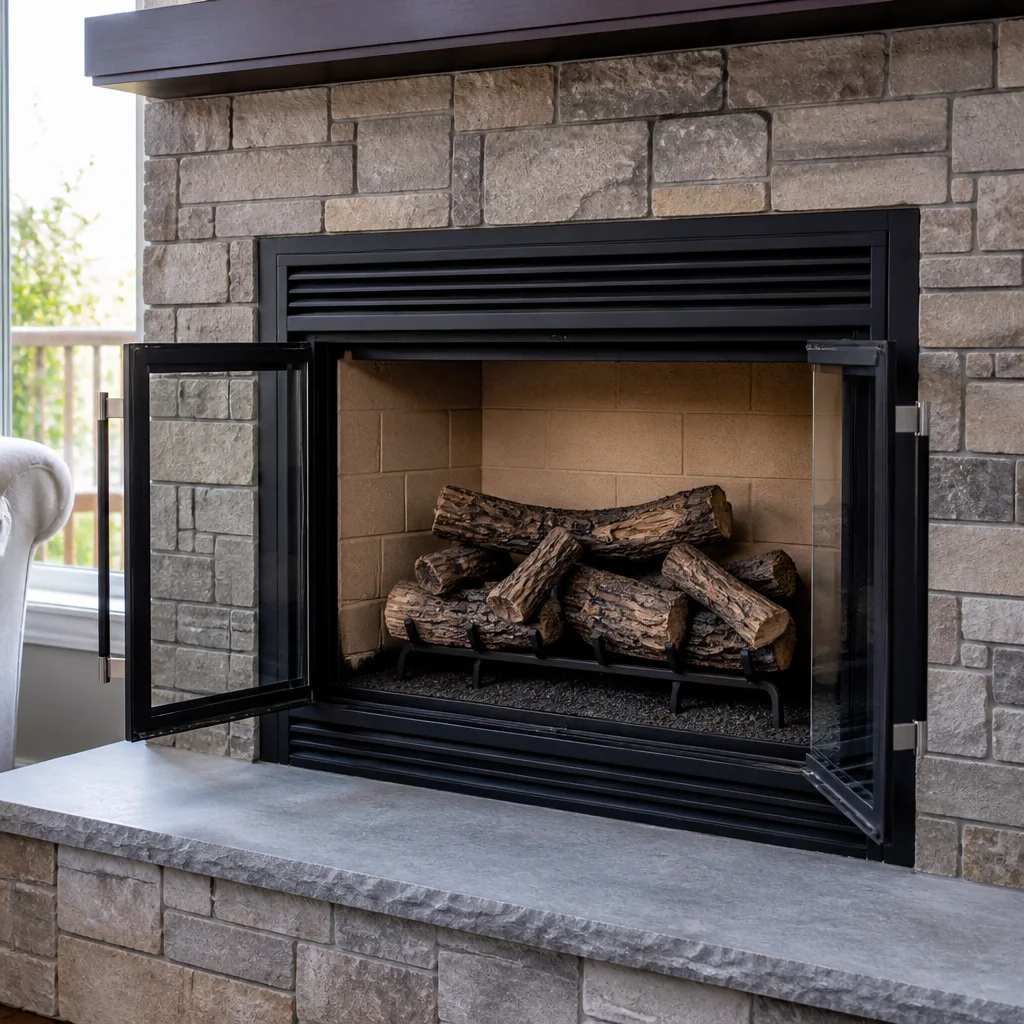 Gas fireplace service
Level 1 sweep and inspection to the NFPA 211 annual standard - flue, crown, cap, and flashing checked and photographed
Chimney sweep logs do not sweep chimneys. They loosen some creosote - which then falls where a brush and vacuum still have to collect it.
The Complete Guide to Chimney Cleaning in South Ozone Park
Most people assume a chimney fire travels up and out, and that a clean flue is the whole story. In South Ozone Park, where attached row homes and semi-detached houses dominate the blocks, that assumption misses something important. Fire and heat can move through shared mortar joints and party walls, which means “clean enough” isn’t measured by the flue alone. Cleaning a chimney here is really a diagnostic process: it tells you what fuel has been burning, what condition the liner is in, and whether the system drafts the way it should in dense housing. This guide walks through all three, plus how to read the report a sweep leaves behind.
Quick Answer
Chimney cleaning in South Ozone Park is a diagnostic service, not a box to check before winter. What a technician removes depends on fuel type (wood, gas, or oil leave different residues), and what he finds depends on liner material and draft performance. A proper cleaning visit starts with an inspection and ends with a written report telling you what was removed, what condition the chimney is in, and whether anything needs attention before the next burn season.
Styles & brands we work with
- Sweep & inspection
- Caps & crowns
- Flue relining
- Masonry repair
- Gas fireplace service
Table of Contents
- Why Chimney Cleaning in South Ozone Park Isn’t a One-Size Job
- How Fuel Type Changes the Cleaning
- Row Homes, Semi-Detached Houses, and Draft Problems
- Level 1, Level 2, and Level 3 Inspections
- What Liner Sealants Do After Cleaning
- How to Read a Sweeping Report
- How a Cleaning Visit Actually Runs
- How Often Your Chimney Needs Cleaning
Why Chimney Cleaning in South Ozone Park Isn’t a One-Size Job
The same set of tools doesn’t work on every chimney, and treating cleaning as a fixed routine is where problems start. A wood-burning fireplace in a 1920s row home produces one kind of deposit. A gas insert in a renovated semi-detached house produces another. An oil-fired system produces something else again. The technician has to identify what’s inside before choosing how to remove it.
South Ozone Park sits in a part of Queens where housing stock is old, tightly packed, and often modified over the decades. Flues that were built for coal have been relined for wood. Fireplaces that once burned open have had inserts dropped in. Each of those changes affects what accumulates and how fast.
We treat every cleaning as a chance to answer three questions:
- What has been burned here, and what did it leave behind?
- Is the liner sound, or is it showing wear that changes how the chimney should be used?
- Does the chimney draft correctly, or is the house’s tight construction working against it?
Answering those three questions is what makes a cleaning useful. A sweep that only removes soot and leaves without comment hasn’t told you anything you can act on.
How Fuel Type Changes the Cleaning
Fuel type determines the residue, and residue determines the tools. Wood produces creosote, which ranges from light, flaky soot to hard, glazed deposits that bond to the liner. Gas produces far less solid residue but can leave a powdery film and moisture issues. Oil leaves a different set of deposits, often with sulfur compounds that need their own approach. Each demands different equipment and, sometimes, different chemistry.
Wood-burning fireplaces
This is the most common fuel in South Ozone Park’s older homes. Wood smoke condenses on cooler flue surfaces and builds up in stages. Fresh creosote is soft and brushes off easily with a standard flue brush on rotary rods. As it ages and reheats, it hardens into glaze that flat brushes can’t touch. Glazed creosote has to be removed with rotary cleaning heads or, in severe cases, chemical treatments that soften the deposit before mechanical removal.
Gas fireplaces and inserts
Gas burns cleaner, but it isn’t residue-free. A powdery film builds up, and in vented systems, moisture can condense inside the flue. Cleaning a gas chimney usually involves a lighter touch: soft brushes, careful inspection of the vent termination, and a check that the venting hasn’t been blocked by nests or debris.
Oil-fired systems
Oil leaves a denser, more acidic residue that can shorten the life of a liner if it’s allowed to sit. Cleaning oil flues requires attention to the liner’s condition, since acidic deposits accelerate corrosion. A technician checks the liner carefully after cleaning and notes anything that might need a resurfacing product like HeatShield before the next heating season.
If you’re not sure what’s been burning in your chimney, that’s fine. Part of the first visit is figuring it out. Our technicians have up to 8 years of experience identifying fuel history from what’s left in the flue.
Row Homes, Semi-Detached Houses, and Draft Problems
Draft is the flow of air up and out of a chimney. In a freestanding house with loose construction, draft is usually straightforward. In South Ozone Park’s dense row-home and semi-detached blocks, it’s more complicated. Houses are close together, chimneys are often on shared party walls, and modern weatherization has made many homes tighter than they were built to be.
Three things go wrong here:
- Negative pressure. When a house is sealed tight, appliances that exhaust air (bathroom fans, dryers, kitchen vents) can pull more air out than comes in. The chimney then pulls smoke back into the room instead of up the flue.
- Downdrafts. Tall neighboring structures and shared chimney stacks can interrupt airflow, especially in certain wind conditions.
- Uneven creosote buildup. A chimney that drafts poorly burns cooler, and cooler smoke condenses into more creosote. That means a chimney with a draft problem accumulates deposits faster than one that drafts well.
When we clean a chimney in South Ozone Park, we watch how it drafts. A flue that pulls well after cleaning tells us the system is working. A flue that doesn’t may need a cap modification, a liner upgrade, or a conversation about how the house is ventilated. Sometimes the fix is a chimney cap that improves flow, which is one reason our chimney cap & crown work uses purpose-built components from Gelco and Famco rather than generic hardware-store parts.
Level 1, Level 2, and Level 3 Inspections
Chimney inspections are graded by scope, and each level is triggered by different circumstances. Knowing which level applies to your situation tells you what to expect from a cleaning visit.
Level 1 inspection
A Level 1 inspection covers the readily accessible parts of the chimney: the firebox, the damper, the visible portion of the flue, and the chimney exterior. It’s what’s done as part of a routine annual cleaning when nothing has changed. No tools that open the structure are used.
Level 2 inspection
A Level 2 inspection goes deeper. It’s triggered when there’s been a change in the system: a new appliance, a fuel conversion, a chimney fire, a property sale, or a major renovation. It includes a video camera scan of the flue interior, which lets the technician see the entire liner from the inside. Most liner assessments in South Ozone Park require a Level 2, because the housing stock has been modified so many times over the years.
Level 3 inspection
A Level 3 inspection is the most thorough, and it’s only done when a Level 1 or Level 2 uncovers a problem that can’t be resolved without opening the structure. It may involve removing parts of the chimney or wall to access hidden areas. It’s rare, but it happens, and it’s sometimes the only way to confirm whether a hidden flue is safe.
If you’ve recently changed what you burn or had a chimney fire (even a small one), a Level 2 is the right starting point. A professional can tell you which level applies when you book, so ask.
What Liner Sealants Do After Cleaning
Cleaning removes what’s on the liner wall. Sealants address what’s happened to the wall itself. The two are connected: after cleaning, a technician can see the liner’s true condition, and that’s when the question of repair or resurfacing comes up.
HeatShield is a ceramic resurfacing product used to repair damaged liners without full replacement. It’s applied after cleaning, when the flue is clear and the technician can see where the cracks, gaps, or deteriorated joints are. The process fills those gaps and creates a smooth interior surface, which restores the liner’s function. For many South Ozone Park homeowners, this means a liner that would otherwise need replacement can instead be resurfaced. That’s a meaningful difference in both cost and disruption.
Sealants aren’t appropriate for every chimney. If the liner has failed structurally, or if the damage is too extensive, resurfacing won’t solve the problem. A liner system like DuraFlex might be the better answer. The point is that the decision follows the inspection, not the other way around. If a chimney needs relining, a flexible system like DuraFlex can often be installed without demolishing the surrounding structure, which keeps the job less invasive.
When a spray-on liner sealant is applied, it’s typically done as part of a repair visit, not a routine cleaning. If your cleaning report mentions a sealant recommendation, ask what evidence was found and whether a resurfacing product or a full liner replacement fits your situation better.
How to Read a Sweeping Report
A good sweeping report is the most valuable thing you get from a cleaning visit. It tells you what condition the chimney is in and what, if anything, needs attention. But the language can be uneven from one company to the next. Here’s what the common terms usually mean.
- Light deposit. A normal amount of soot or creosote for the fuel type and burn habits. Nothing to act on beyond routine cleaning.
- Moderate deposit. More buildup than expected, possibly because of poor draft or wet wood. Worth addressing by adjusting burn habits or checking draft.
- Glazed creosote. Hard, shiny residue that has bonded to the liner. It doesn’t come off with a standard brush, and it’s flammable. Removal requires rotary tools or chemical softeners, and the chimney shouldn’t be used until it’s gone.
- Active deterioration. The liner or chimney structure is showing cracks, gaps, or crumbling that affect safety. This is the point where a repair or resurfacing product like HeatShield is usually discussed.
- No visible defects. The liner is intact and functioning as intended. The chimney is safe to use as inspected.
The report should tell you what was found, where it was found, and what the recommendation is. If a report uses vague language or recommends work without showing you the evidence, ask for clarification. A thorough inspection includes a visual record, and you should be able to see what the technician saw.
If your report calls for repair, the next step is usually a chimney repair visit to assess whether resurfacing or another approach is the right fit. That’s where products like Olympia Chimney and Copperfield come in for cap and crown work, alongside the resurfacing systems already mentioned.
How a Cleaning Visit Actually Runs
Every job starts with a chimney inspection, because the cleaning depends on what’s found. A typical visit follows a predictable sequence.
- Inspection first. The technician examines the firebox, damper, flue, and exterior before any cleaning starts. This tells him what he’s dealing with.
- Set up protection. Drop cloths and a vacuum with a HEPA filter go in place before tools come out, so soot and debris stay contained.
- Remove the deposits. Flue brushes on rotary rods, flat brushes, or specialty heads, depending on what the inspection found. The technician works from the firebox upward, or from the roof down, depending on the system design.
- Clean the firebox and smoke shelf. The firebox, damper, and smoke shelf collect their own deposits; these get cleaned separately.
- Re-inspect after cleaning. With the deposits gone, the technician can see the liner’s true condition. Any cracks, gaps, or deterioration show up now.
- Check draft and cap. The technician confirms the chimney pulls air as it should and checks whether the cap is intact and properly sized.
- Write the report. Findings go into a written report, along with recommendations and evidence you can review.
For a straightforward sweep, this takes about an hour. If the inspection turns up something that needs a Level 2 scan or repair work, the visit may extend or a follow-up may be scheduled. We tell you what we found before recommending anything beyond a cleaning.
How Often Your Chimney Needs Cleaning
The standard recommendation is an annual inspection and cleaning, but the right frequency depends on how much you burn and what you burn. A chimney used frequently through the heating season needs cleaning more often than one used a few times a year. Wood burners who go through a cord or more per season should plan on an annual cleaning at minimum; some homes need it more often.
South Ozone Park’s burn season runs roughly from October through March, with peak use in January and February. The best time to schedule a cleaning is before the season starts, so the chimney is clean and inspected when you need it. A cleaning in late summer or early fall leaves the system ready for the first cold snap.
If you haven’t had a cleaning in more than a year, that’s the sign to book one. If you’ve had a chimney fire, even a small one, book a Level 2 inspection before using the chimney again. If you’ve noticed smoke backing into the room, a persistent odor, or a draft that feels weak, those are reasons to schedule a look even if the last cleaning was recent.
Common Mistakes to Avoid
- Assuming a gas fireplace doesn’t need cleaning. Gas burns cleaner, but it still leaves residue and can have venting issues. A gas system needs the same annual inspection as a wood one, and skipping it is a common mistake in renovated South Ozone Park homes.
- Burning unseasoned wood. Wet wood burns cooler and produces more creosote, especially in a chimney with draft problems. Seasoned wood produces less residue and burns more efficiently.
- Cleaning without inspecting. A sweep that skips the inspection misses the liner condition and draft issues that matter most. Cleaning removes deposits; inspection tells you what’s underneath them.
- Ignoring a glazed creosote report. Glazed creosote is flammable and doesn’t come off with a standard brush. If the report names it, the chimney shouldn’t be used until it’s removed.
- Assuming a cap isn’t necessary. An uncapped chimney lets in rain, animals, and debris. A proper cap from a manufacturer like Gelco or Famco protects the flue and improves draft.
- Putting off repair after a Level 2 inspection. A Level 2 scan that finds deterioration is telling you something specific. Waiting until fall usually means waiting until the repair crew is booked solid.
- Using a sweep who only cleans. A sweep who doesn’t inspect and doesn’t offer repair is a sweep who will hand you a problem you have to solve somewhere else. One specialist who handles the whole system is a better outcome.
See the difference
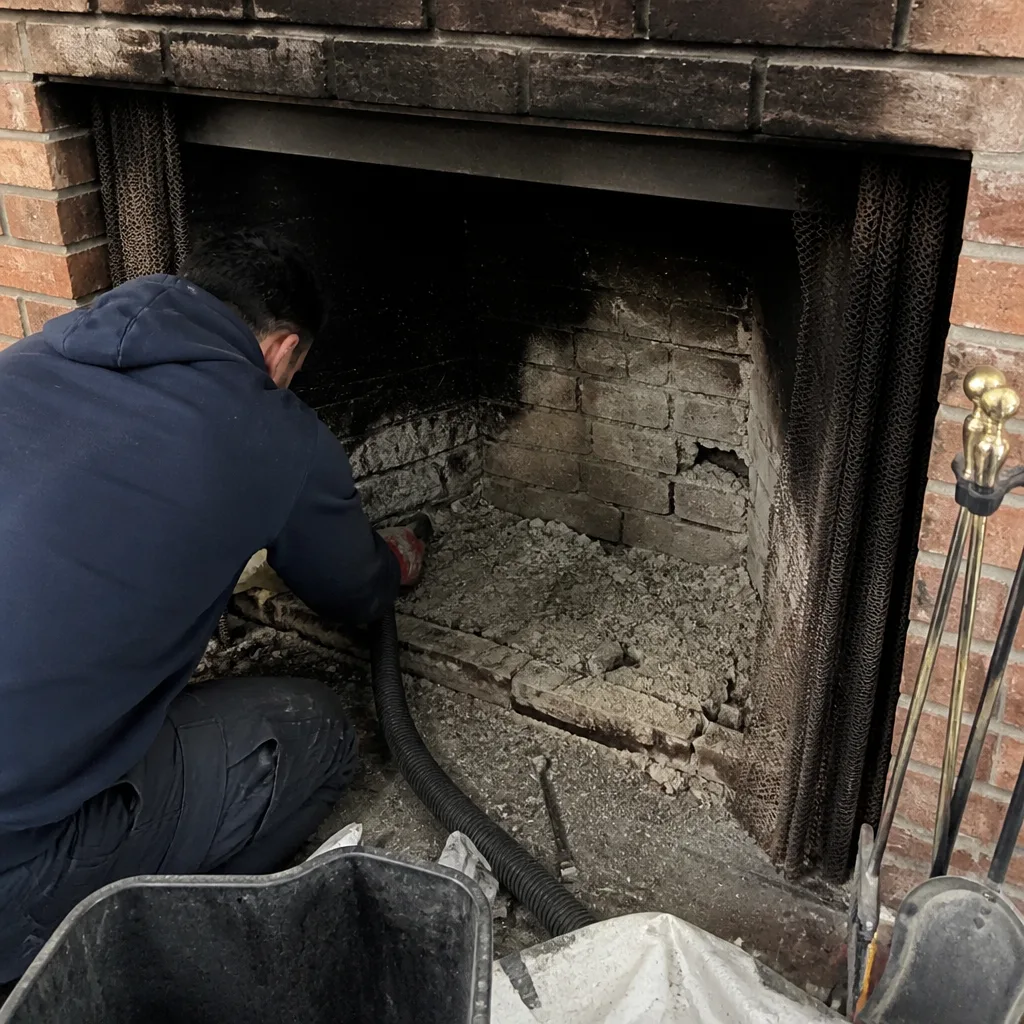 Before
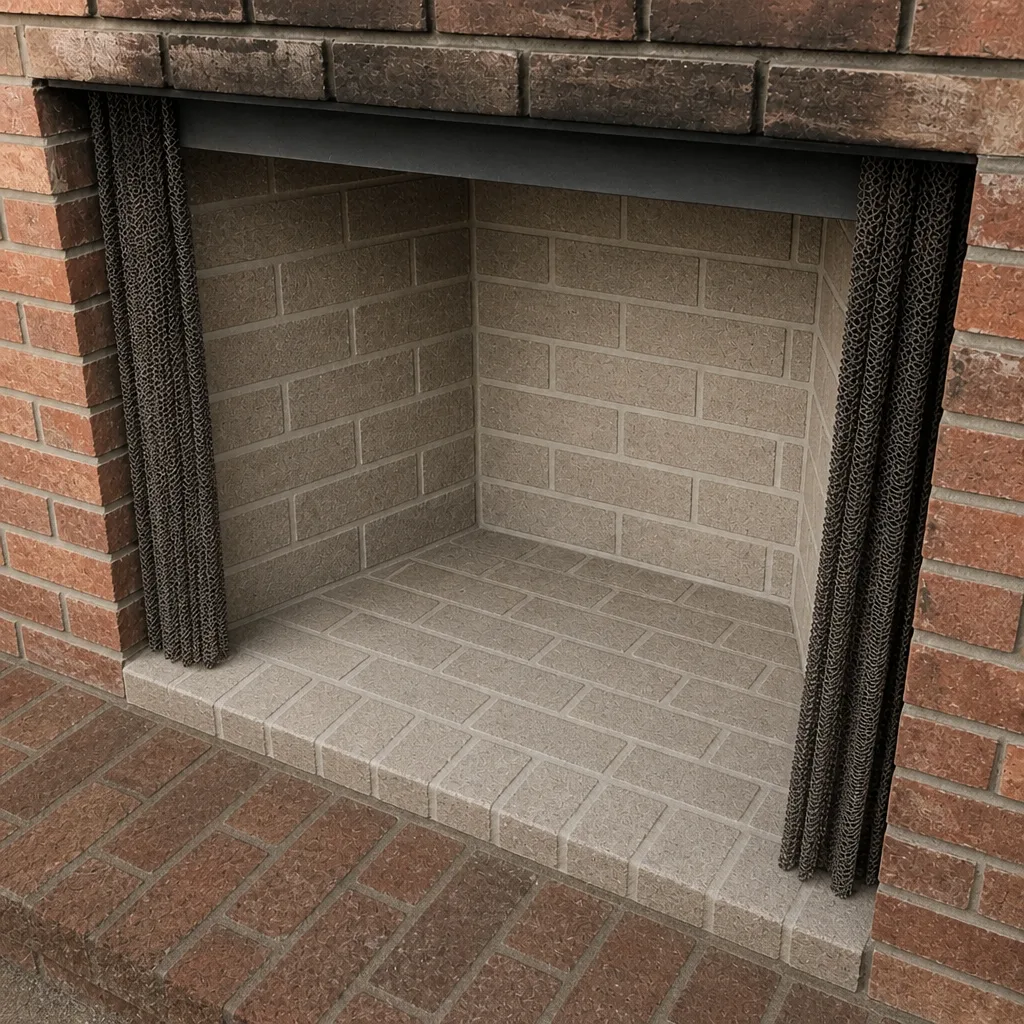 After
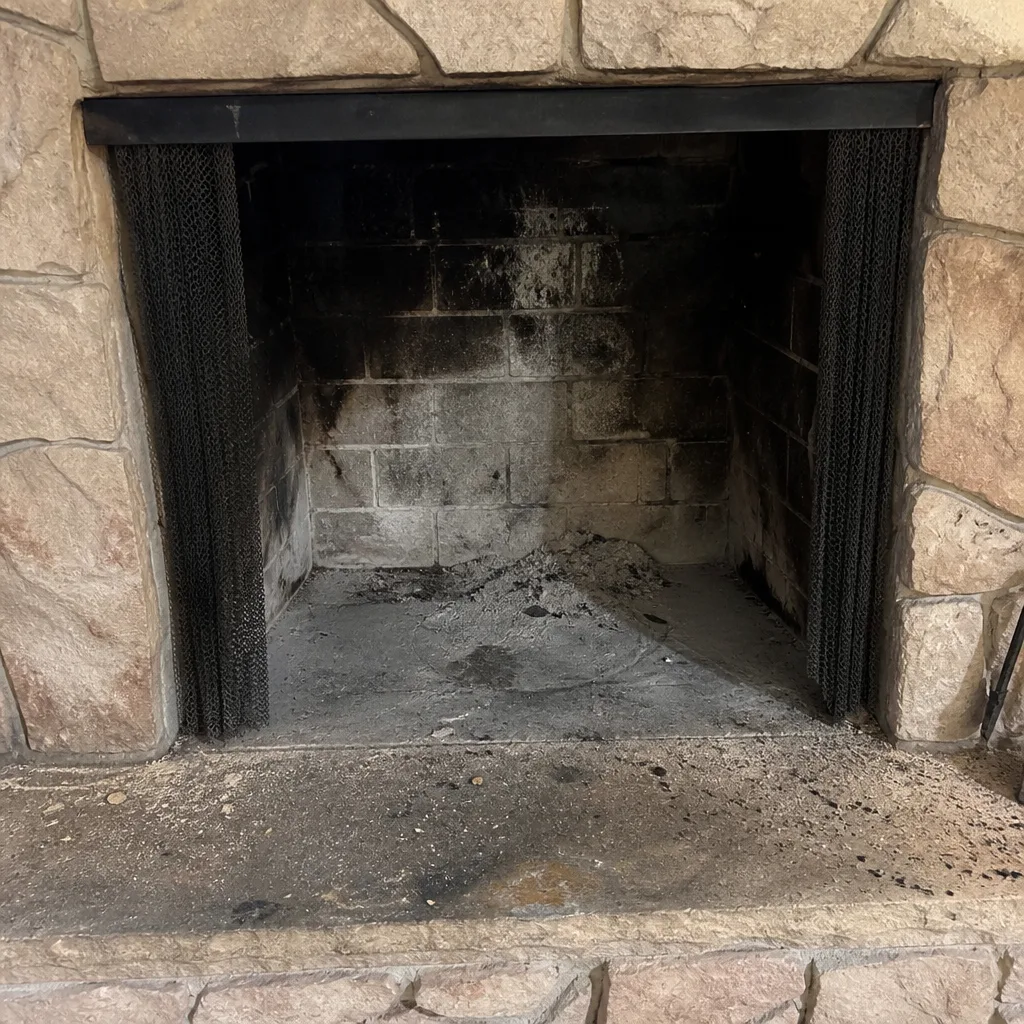 Before
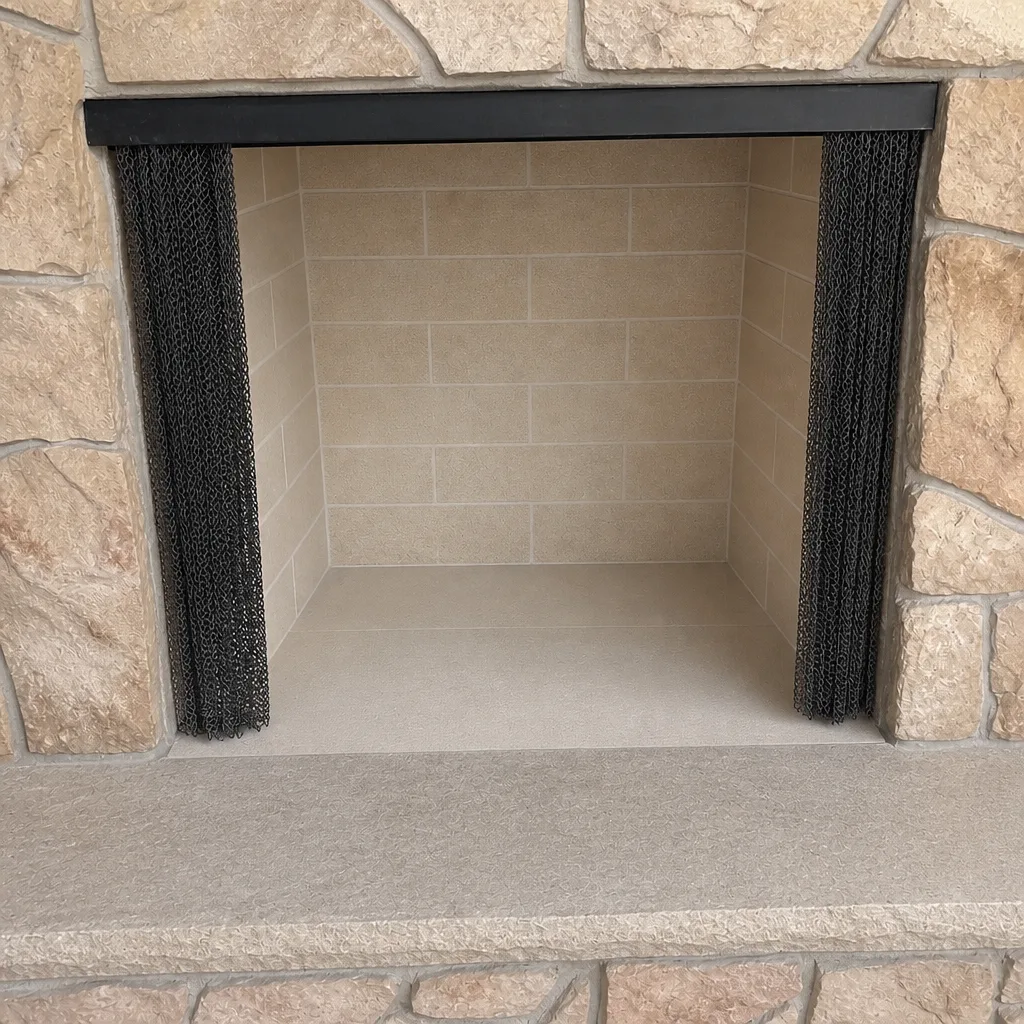 After
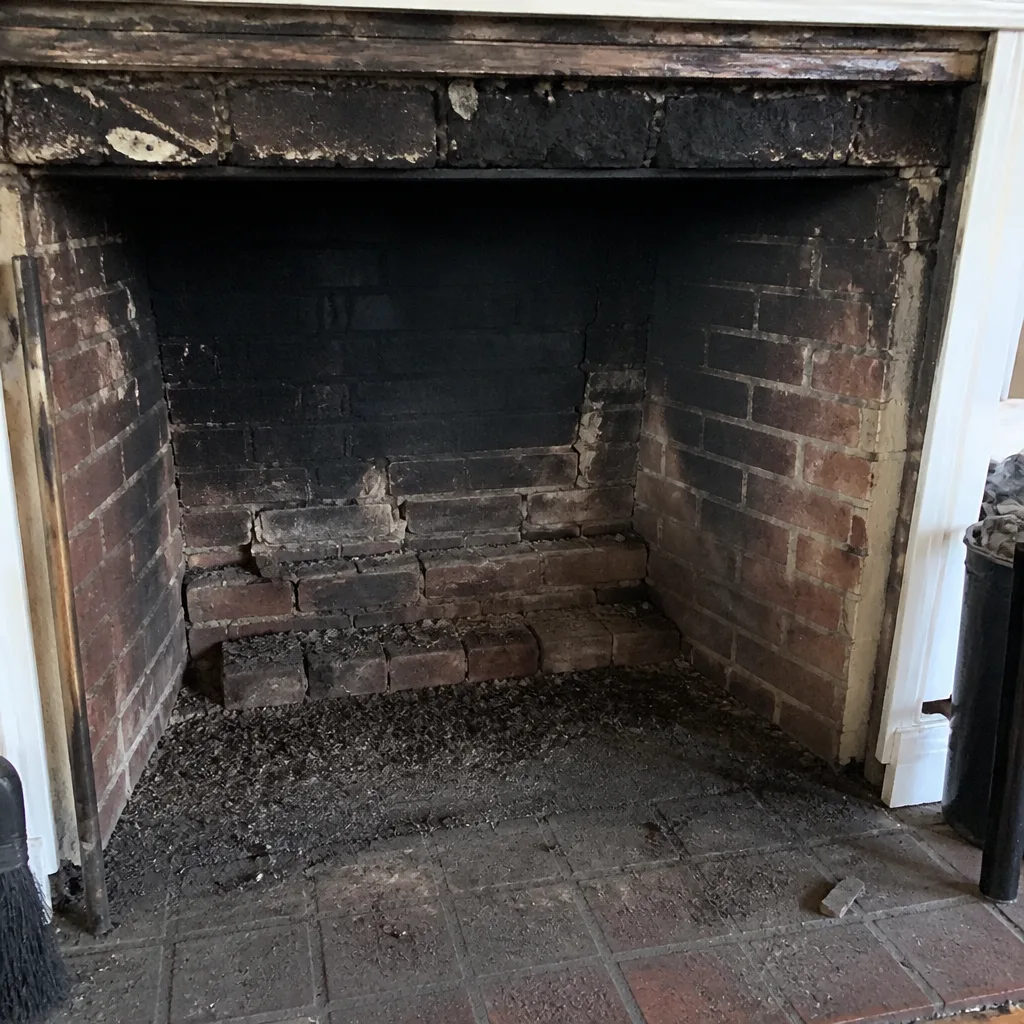 Before
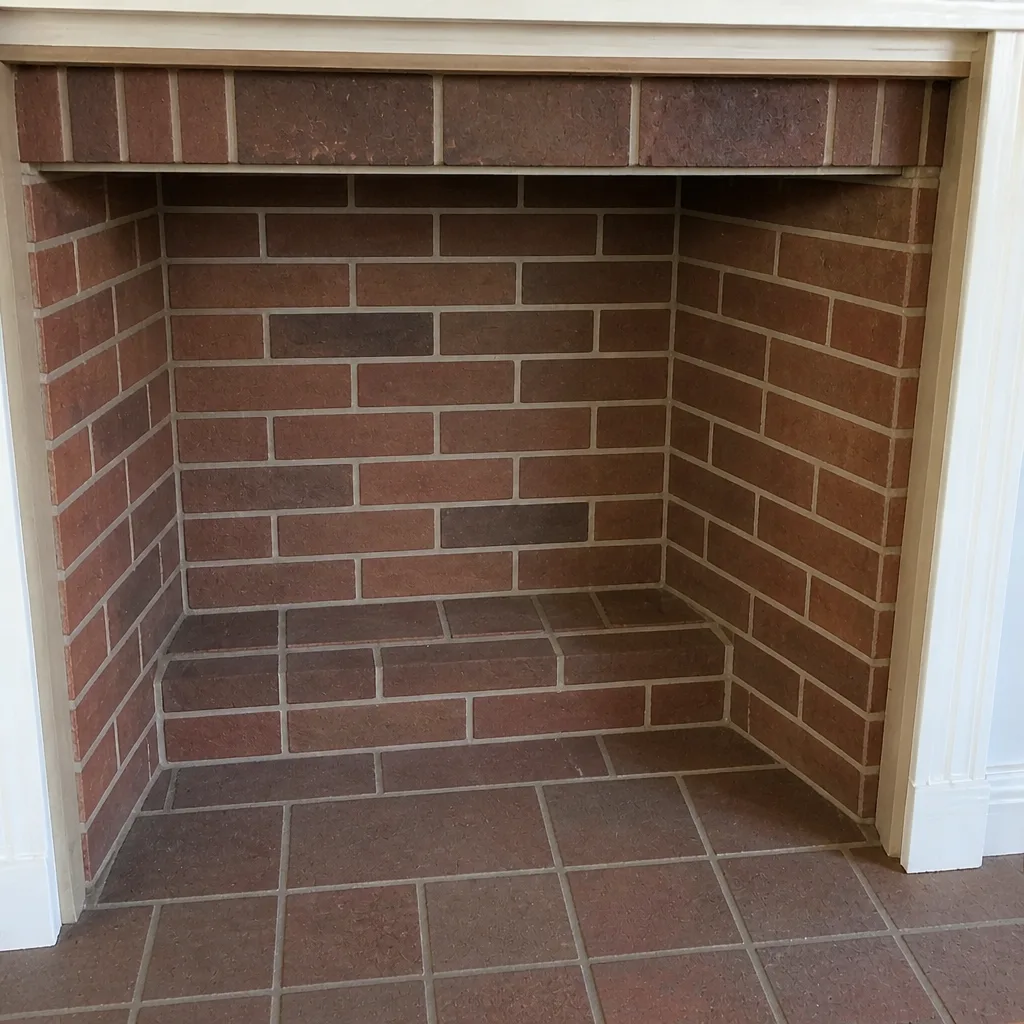 After
When to Call a Professional
Some situations are clearly for a professional: glazed creosote in the flue, smoke backing into the room, a chimney that hasn’t been cleaned in over a year, or a report that names active deterioration. Also call if you’ve had a chimney fire, if you smell a persistent odor from the fireplace, or if you’ve recently changed fuels or installed a new appliance. Those are all signs the system needs a Level 2 inspection before the next burn. Chimney Sweep South Ozone Park offers free estimates in South Ozone Park – call (877) 492-4232. We answer 24/7, and fast dispatch runs from 7am to 7pm, Sunday through Friday.
Frequently Asked Questions
A typical cleaning is generally priced per job, and the written estimate sets the final price before any work starts. The cost depends on the fuel type, the level of deposit, and whether the visit includes an inspection. For an exact number on your chimney, call for a free estimate.
Not necessarily. Many chimneys that show liner damage can be resurfaced with HeatShield rather than fully relined, depending on the extent of the damage. The only way to know is a Level 2 inspection with a camera scan. If resurfacing fits, you avoid a full replacement; if the liner has failed structurally, DuraFlex relining may be the right answer. Call for an assessment before assuming either way.
Most chimneys should be inspected and cleaned annually, and homes that burn wood frequently may need cleaning more often. The right interval depends on how much you burn and what fuel you use. If it’s been more than a year, or if you’ve had a chimney fire, book a cleaning and inspection before the next season.
Creosote builds up in layers, and each layer insulates the one beneath it, so the flue gets cooler and accumulates faster. Glazed creosote is flammable, and a chimney fire can spread through shared party walls in a row home. Skipping a cleaning doesn’t cause a fire every time, but it removes the information you need to know whether your chimney is safe. Call for a cleaning and inspection to find out where yours stands.
Draft problems in South Ozone Park usually come from tight house construction, shared chimney stacks, and wind patterns around attached homes. When a house is sealed tightly, exhaust fans can pull air down the flue instead of up. A cleaning visit can tell you whether draft is an issue for your chimney and what might fix it.
Yes. Every job starts with an inspection, and the inspection findings drive the recommendations. A Level 2 scan includes a camera view of the liner, so you can see what the technician saw. If the inspection finds nothing, we say so, and you can wait before doing anything further. Call for a free estimate and a clear answer on what your chimney needs.
The Bottom Line
Chimney cleaning in South Ozone Park is diagnostic work. The fuel you burn determines what accumulates; the housing stock determines how your chimney drafts; the inspection determines what the cleaning report actually means. A proper visit starts with an inspection, ends with a written report, and leaves you knowing whether your chimney is safe to use and what, if anything, needs attention. That’s the difference between a checklist sweep and a specialist who understands the system. If you want a clear answer on your chimney’s condition, call (877) 492-4232 for a free estimate. We answer 24/7, and fast dispatch runs from 7am to 7pm, Sunday through Friday. Our Chimney Sweep South Ozone Park team handles the full lifespan of the system, from chimney sweep work to cap and crown installation and repair.
Written by the team at Chimney Sweep South Ozone Park.