
Last updated November 25, 2026
 Sweep & inspection
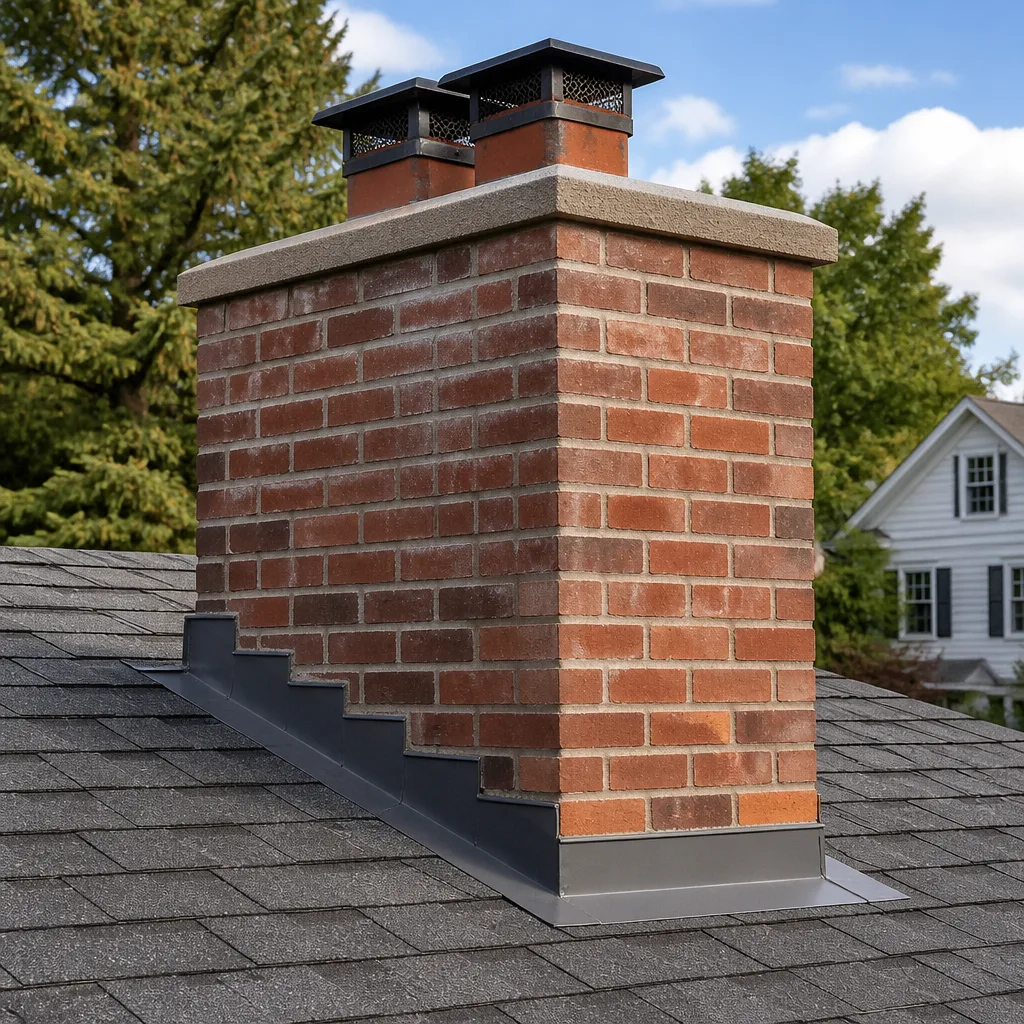
 Caps & crowns
 Flue relining
 Masonry repair
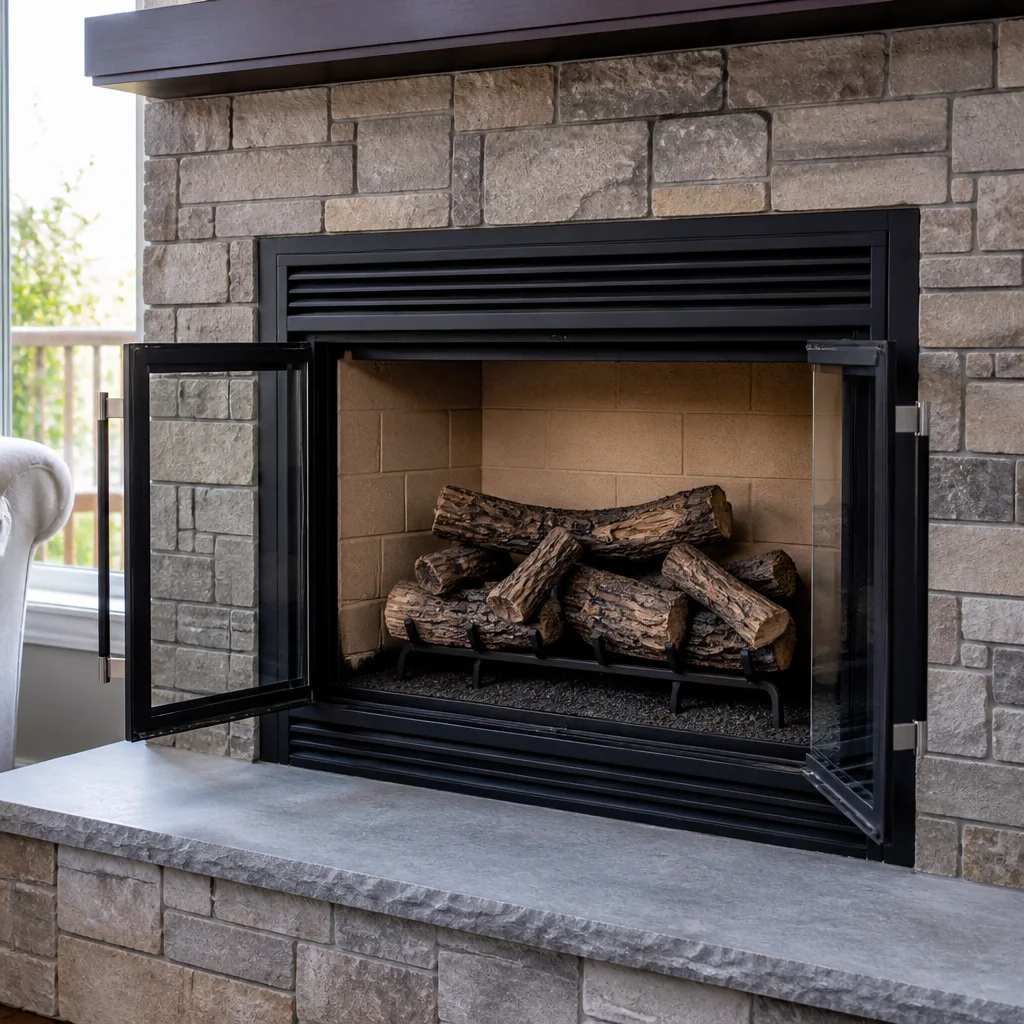 Gas fireplace service
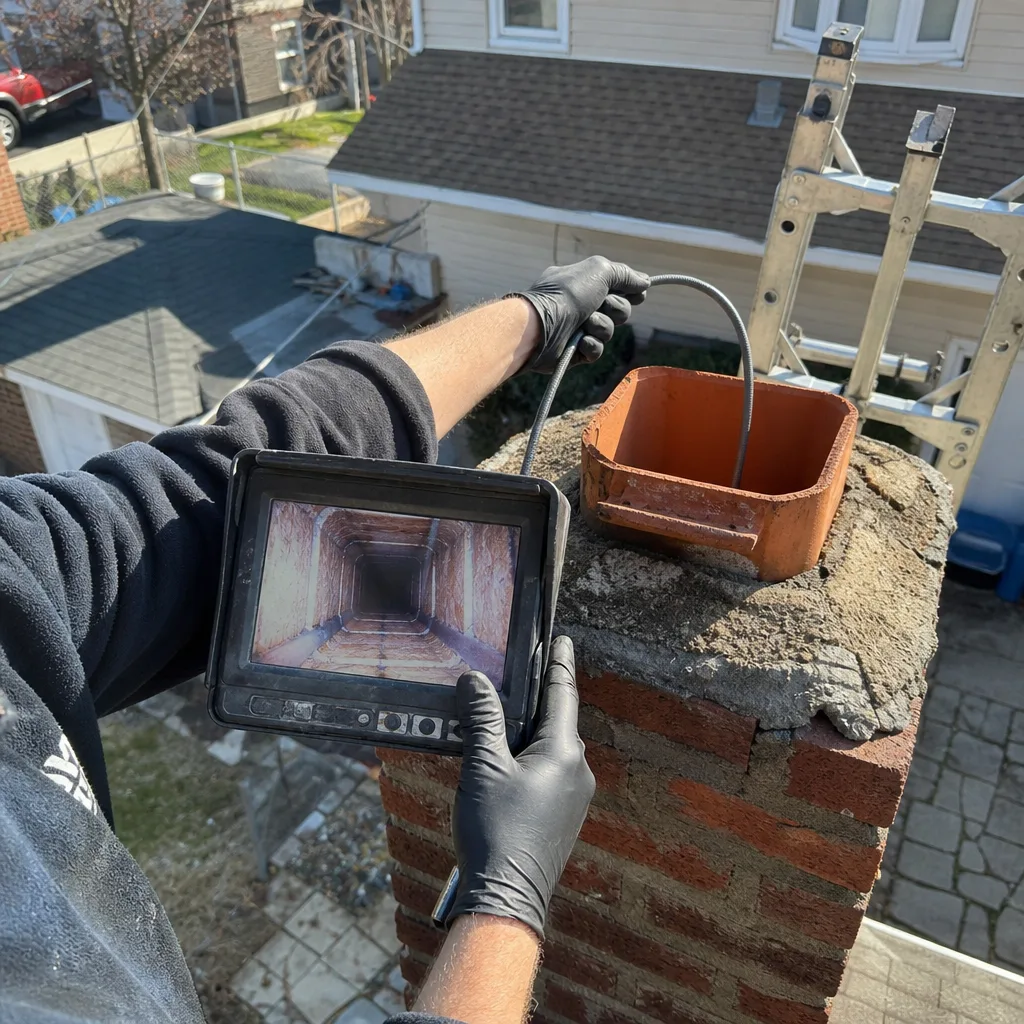
Level 1 sweep and inspection to the NFPA 211 annual standard - flue, crown, cap, and flashing checked and photographed
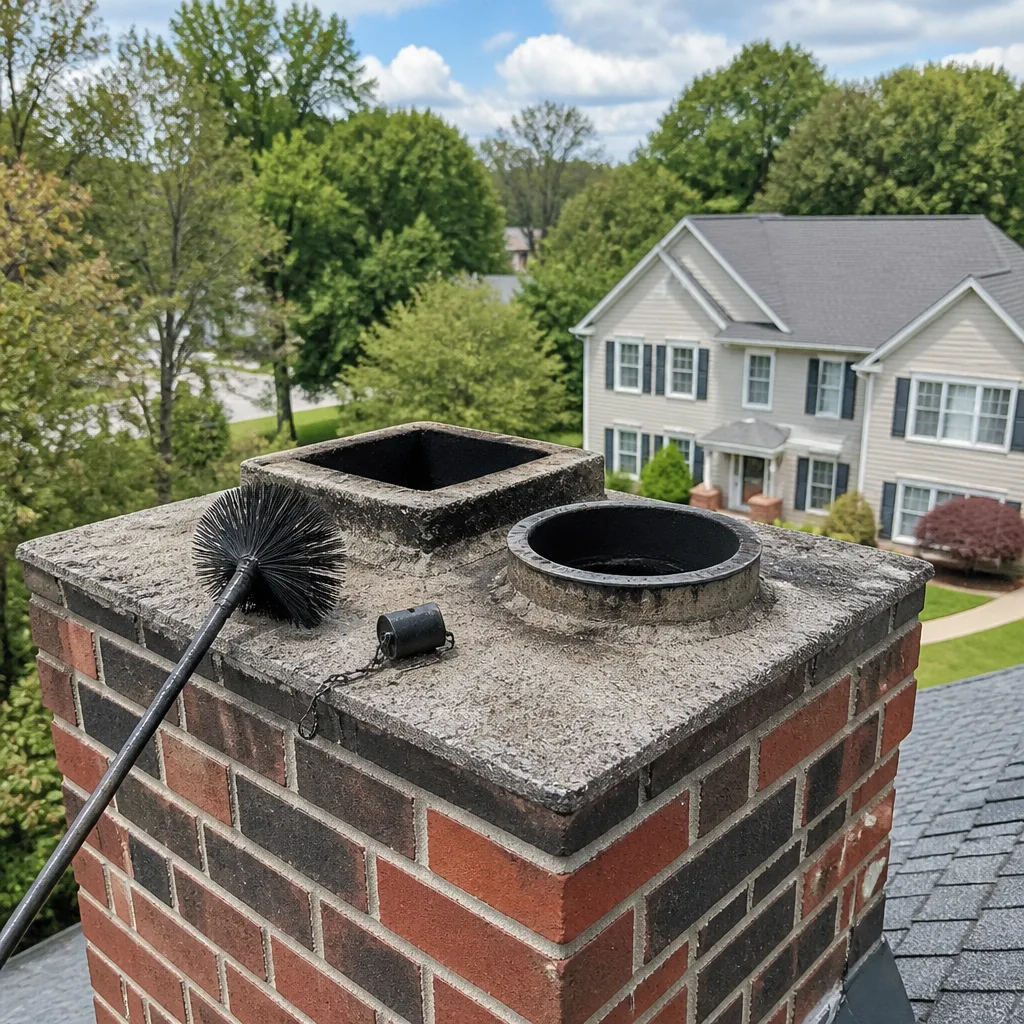
Chimney sweep logs do not sweep chimneys. They loosen some creosote - which then falls where a brush and vacuum still have to collect it.
Chimney Cleaning Warning Signs: A South Ozone Park Homeowner’s Reference Guide
The smell of smoke in your house on a warm day in July, with no fire in the firebox, almost never means a draft problem. It usually means water has gotten into the flue and is waking up creosote deposits that were dry and dormant. That’s a waterproofing failure, and a new damper won’t touch it. Most of the warning signs we’re asked about in South Ozone Park get misdiagnosed the same way: read as odor complaints or draft complaints when they’re actually structural alerts. This guide maps each symptom to the mechanical cause behind it, so you can describe what’s happening accurately and get the right fix instead of an expensive guess.
Quick Answer
Chimney cleaning warning signs worth acting on include a smoky smell when no fire is burning, white powder on exterior brick, brown staining at the firebox, rust on the damper, soot on the wall above the firebox opening, and any popping or ticking sound during a fire. Each points to a specific mechanical cause, from water infiltration to a failed cap to a distorted flue liner. A single chimney fire that sounds like a low roar is a different category: call the fire department first, then get the chimney inspected before you use it again.
Styles & brands we work with
- Sweep & inspection
- Caps & crowns
- Flue relining
- Masonry repair
- Gas fireplace service
Table of Contents
- Why Most Warning Signs Get Misread
- The Symptom-to-Cause Map for South Ozone Park Homes
- White Powder on Brick: Water Is Getting In
- Brown Staining at the Firebox and Rust on the Damper
- Draft Problems: Negative Pressure or Liner Obstruction?
- Popping, Ticking, and the Roar of a Chimney Fire
- Exterior Soot and Smoke Chamber Geometry
- Your Pre-Season Walk-Around Checklist
Why Most Warning Signs Get Misread
A chimney is a system, and systems fail in order. The cap and crown fail first, water gets in, the liner starts to break down, the firebox begins to show the effects, and the smell shows up last. Homeowners notice the smell. That’s the symptom at the end of a long chain, and treating it as the problem is how people buy a damper upgrade for a waterproofing failure.
There’s a second reason signs get misread, and it’s specific to how homes here are built. Much of South Ozone Park is older rowhouse and semi-detached construction, with brick chimneys sharing walls or rising through tightly packed roofs. Those houses have been weatherized, windows replaced, doors sealed, insulation added. When a house becomes this tight, the chimney competes with exhaust fans and dryers for its combustion air. A fireplace that smoked for forty years without a complaint can start smoking after a window replacement, and the chimney itself may be fine. That’s why the same symptom on two houses can have two completely different causes, and why a camera inspection matters more than a diagnosis made from the living room.
What we look for first is a pattern. Is the sign cosmetic or progressive? Does it appear only during a fire, or year-round? Does it show up on the outside of the house or the inside? Answering those questions narrows the cause before anyone gets on the roof. From the firebox to the cap, one specialist handles it all, which means the person diagnosing the symptom is the same person who’ll repair the cause.
If you’re seeing more than one sign from the list below, the odds are good they share a single root cause. Water is the most common one. Fire is the most urgent.
The Symptom-to-Cause Map for South Ozone Park Homes
Here’s the reference table we’d hand you if you called. Match your symptom to the likely cause, then read the section below it for what to check and what a technician will look for. This is the same mapping we use on the job, written so you can follow along.
- White, chalky powder on exterior brick → water infiltration through a cracked crown or open mortar joints.
- Brown or black staining at the firebox opening → creosote runoff from an oversaturated liner, usually combined with water.
- Rust or pitting on the damper plate → a failed, missing, or undersized cap letting rain down the flue.
- Smoky smell with no fire → water in the flue reactivating creosote, not a draft issue.
- Fire smokes back despite a clean flue → negative house pressure, or an obstruction at the cap or in the liner.
- Soot on the wall above the firebox → smoke chamber geometry that pushes smoke against the face instead of up the flue.
- Popping or ticking during a fire → thermal expansion, or in a worse case, a distorted liner that no longer holds its shape.
- Low roar, black smoke, and a hot smell → an active chimney fire. Call the fire department.
Two symptoms are worth flagging on their own. The soot pattern above the firebox is one. Homeowners assume soot on the wall means the flue is dirty and a sweep will fix it, but soot on the face of the fireplace usually means smoke is spilling out before it ever reaches the flue. That’s a smoke chamber geometry problem, and a sweep won’t correct it. The other is rust. A little rust on a damper plate is a caps-and-crowns conversation. Rust that’s eaten through a damper is a repair, and if it’s coincided with brown staining, water has probably been getting in for a while.
Anyone can read these signs off a list. The harder part is knowing which are safe to wait on and which aren’t, and that’s where a camera inspection with a photo report earns its keep. You see what we see, and you decide with us instead of on faith.
White Powder on Brick: Water Is Getting In
That white, chalky bloom on the brick isn’t salt air or pollution, and it isn’t cosmetic. It’s efflorescence, and it means moisture is moving through the masonry and drying on the surface, leaving mineral deposits behind. On a chimney in South Ozone Park, that moisture has to come from somewhere above the roofline. The crown, the top of the chimney, is the usual suspect.
The crown is the concrete cap at the top that sheds water away from the flue. Over time it cracks, and once it cracks, water has a straight path into the masonry and, from there, into the flue itself. Mortar joints between the bricks do the same thing, gradually opening as a chimney moves with freeze-thaw cycles. What snow and ice do during a cold Queens winter is freeze inside that masonry and expand, widening the passages water already found.
What a technician will check, in this order:
- The crown for cracks, spalling, and whether it was ever built with a proper overhang or slope.
- Mortar joints at the top few courses, where the chimney takes the most weather.
- Whether the cap, if there is one, is sized and seated properly, or whether water can blow in sideways under it.
- Inside the flue, whether water has reached the liner and started to break down the joints between liner sections.
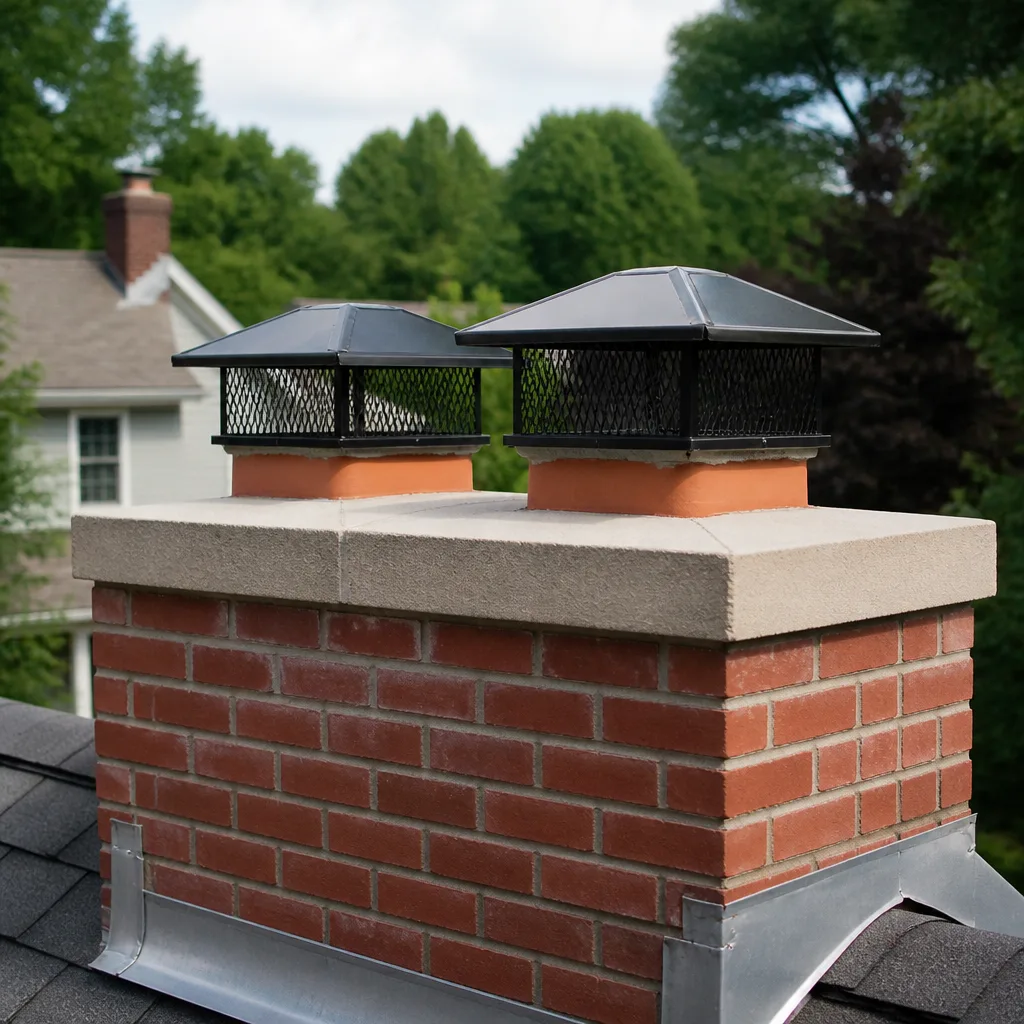
The reason efflorescence matters is that it’s a slow problem with a fast fix, but only if you catch it. A proper crown and a correctly fitted cap, using purpose-built Gelco or Famco components, usually stop water where it starts. Left alone, water moves inward and the job gets bigger. Efflorescence is a sign you can point at and someone can verify, which makes it an easier conversation than most. A good chimney cap & crown job addresses it at the source.
Brown Staining at the Firebox and Rust on the Damper
Brown streaks running down the brick around the firebox, or a faint brown ring where the firebox meets the wall, are creosote stains. They mean the flue isn’t handling what’s burning. Creosote is a normal byproduct of wood smoke, but it needs to condense and drain in a controlled way, not back up and soak into the firebox face. When you see brown at the firebox, the liner is oversaturated, and water is often why.
Water and creosote interact in a way many homeowners don’t expect. Dry creosote sits quietly. Wet creosote becomes a stronger, more acidic residue that eats into mortar and metal, and it also carries the smell further, which is how a summer smoke smell and brown staining end up connected. Combine that with an oversized or unseasoned wood load, or a flue that’s too small for the appliance, and the liner gets overrun slowly and steadily. What we’ve seen in old South Ozone Park rowhouses is exactly this: original square flues serving fireplace openings sized for an older era, now asked to handle bigger fires or aftermarket inserts.
Rust on the damper plate tells a related story. A damper should be dry. If it’s rusty, water has been getting down the flue, usually because a cap failed, was never installed, or was knocked off. A cap is a small piece of the system and an easy thing to skip, but it’s the roof over the flue. Components like Olympia Chimney caps are worth naming because you can look them up, and a repaired damper with a new cap is a very different bill from a liner replacement.
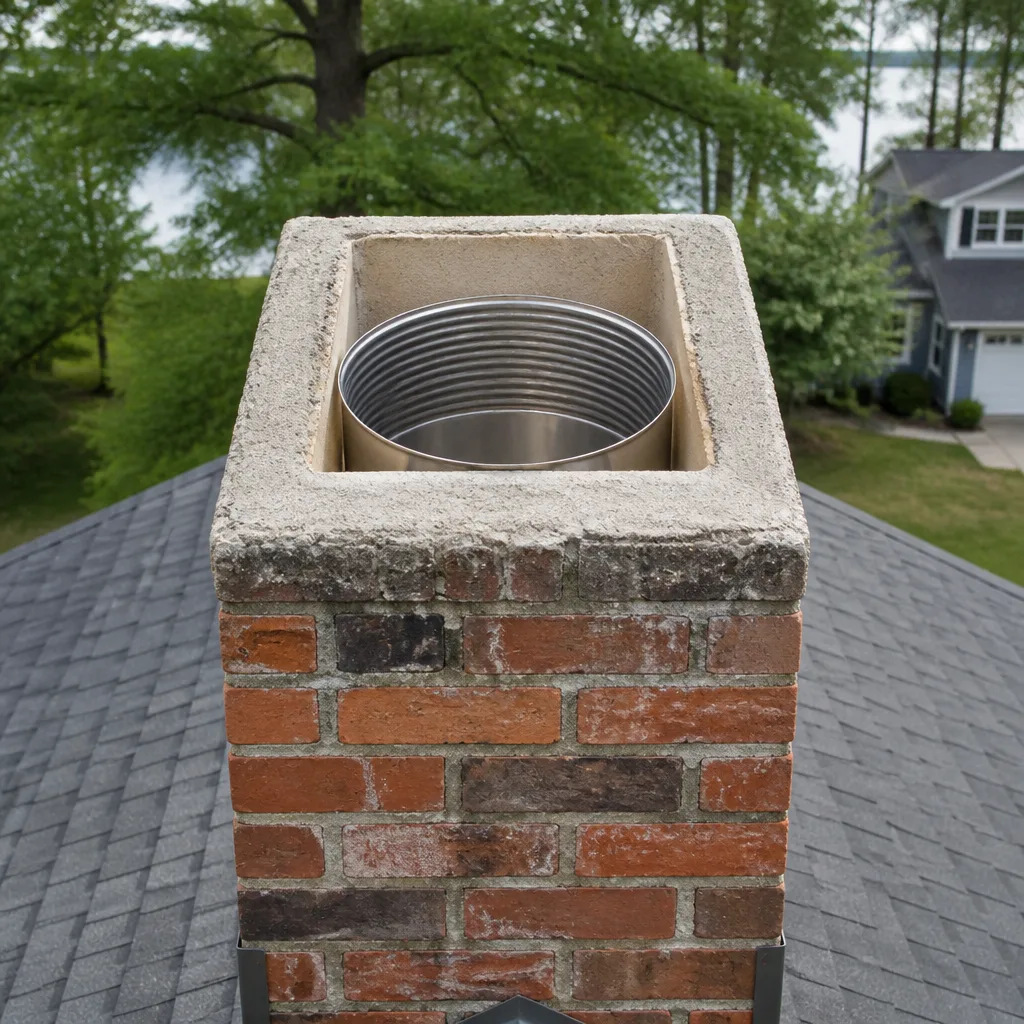
What we check when we see either sign: whether the cap is present and intact, whether the crown is shedding water, whether the flue has proper drainage, and whether the liner is sound. Only then does the recommendation come together. HeatShield ceramic resurfacing exists exactly for the cases where the liner is compromised but can be resurfaced rather than replaced. Repair the liner you have instead of replacing it.
Draft Problems: Negative Pressure or Liner Obstruction?
A fireplace that smokes back into the room has one of two problems: something is pushing smoke back down, or something is blocking it from going up. They look identical from the sofa and require completely different fixes. Getting this distinction right is one of the most useful things a homeowner can do before calling.
Negative house pressure is the first possibility. When a house is tight enough that combustion air can’t get in, the fireplace pulls against exhaust fans, a dryer, a bathroom fan, or a second flue in the same chimney, and smoke spills toward the room because the pressure has to equalize somewhere. This pattern is common in weatherized South Ozone Park homes, where new windows and insulation have tightened the building envelope without anyone thinking about the chimney’s air supply. The tell is timing: the fireplace smokes when other fans run, when a door slams, or when a fire is first lit and the flue is still cold. Strong, direct tests matter here, and a technician will often confirm this with pressure readings rather than opinion.
Liner obstruction is the second possibility. A nest, a fallen crown chunk, a broken liner tile, or heavy creosote can block the flue, and no amount of pressure balancing will fix a blocked path. The tell is different: smoke, weak draft no matter how warm the fire, and a smell that lingers even when the fire is out. Here’s where a camera inside the flue settles it, because the obstruction is visible.
Start by eliminating the pressure side yourself:
- Open a nearby window a couple of inches and light a fire. If it draws better, you likely have a pressure problem.
- Turn off the dryer and any exhaust fan and try again. A fire that draws when fans are off is telling you something.
- Crack a hatch or basement door to see whether air supply to the house changes the draft.
None of that is a repair. It’s a diagnostic. If a window fixes it, the chimney may be fine and the house may be the issue. If a window doesn’t fix it, the flue probably has something in it, and we’d want to look before making any recommendation. Our technicians have up to 8 years of experience reading exactly these patterns, and the report they hand you shows the photos behind their findings.
Popping, Ticking, and the Roar of a Chimney Fire
Not every sound from a firebox is a problem. Metal heats and expands, and a quiet tick or a light pop during warm-up and cool-down is often just that. But the character of the sound matters. A sharp pop that repeats and gets louder as the fire heats up can signal a distorted or cracked liner that’s no longer holding its shape. Ticking that seems to come from inside the flue rather than the firebox is worth a look. When we hear that description from a homeowner in South Ozone Park, the first thing we want is the liner on camera.
A chimney fire is a different event. It has a distinct signature, and most people mistake it for something else:
- A low, rumbling roar that sounds like wind, but doesn’t come and go like weather does.
- Black or dark smoke at the cap, sometimes with visible flames.
- A hot, metallic, or acrid smell, often described as burning tar or a hot engine.
- Loud popping or a vibrating sound from inside the chimney, not the firebox.
- Sparks or embers arriving at the roof cap.
What to do in the first 60 seconds:
- Get everyone out of the house and call 911. Do not assume a fire truck isn’t needed because the fire is contained in the chimney.
- If it’s safe and immediate, close the fireplace doors or screen, if you have one, and close the damper to starve the fire of oxygen. In practice, the damper often has to stay open for smoke to escape. If you can’t close it safely, leave it.
- Don’t spray water into the firebox. It can crack hot masonry and drive steam and smoke into the room.
- Don’t put a fire out and then re-light it the same week.
- After the fire department clears the scene, get the chimney inspected by a specialist before you burn again.
A chimney fire can happen inside a flue that looks fine from outside. It’s the single safety reason to take warning signs seriously now rather than later. And the inspection is not just a sweep: a proper inspection gets you photos of the liner, the smoke chamber, and the cap, which is how you know a repair is the right one. A chimney repair after a fire should be diagnosis-driven, not package-driven.
Exterior Soot and Smoke Chamber Geometry
Soot on the wall above the firebox opening is a specific diagnostic. Soot that ends up on the face of the fireplace means smoke is escaping the firebox before it ever turns up into the flue. That’s a geometry problem. The smoke chamber, the tapered space between the top of the firebox and the flue, is supposed to funnel smoke upward smoothly. When it’s too shallow, too square, or was built without a proper taper, smoke spills toward the room and stains the wall over time. A dirty flue makes the problem worse, but a clean flue doesn’t fix it.
This distinction is one more reason a sweep and an inspection are two different tasks. A chimney sweep clears the flue, and that’s essential. An inspection tells you whether the smoke chamber needs work, whether the damper sits level, whether the firebox face is intact, and what’s happening at the liner above. It’s how you avoid paying for a sweep, then finding out the soot is still there next spring.
What we see on the inside of these South Ozone Park chimneys varies with age and use. Smoke chamber work, when it’s needed, uses materials built for the environment, and we do the assessment with cameras before we recommend any of it. If the smoke chamber is fine and the soot is years old, we say so and you can sit tight. If the geometry is causing smoke that builds up every season, that’s worth addressing.
One practical test you can run yourself: watch where the smoke goes when the fire is lit well. If it rolls up and out, the geometry is working. If it curls out toward the room and stains the wall above the opening, the chimney is telling you something. If that’s happened for a season or two, it’s worth a chimney sweep South Ozone Park visit with an inspection attached.
Your Pre-Season Walk-Around Checklist
Before you burn for the season, walk the house with this list. You’re looking for specific things in specific places, and none of it takes long.
- From outside: look at the chimney top. Is the cap there? Is it seated, or crooked? Is the crown cracked? Run your eyes down the brick for efflorescence or dark water streaks.
- Inside the firebox: look at the damper for rust. Look at the firebox face for brown staining or soot. Look for cracks in the firebox brick and masonry.
- Smell test: on a warm day with no fire, put your face near the firebox. A smoky or sour smell means something’s going on.
- Draft test: light a small test fire and watch the smoke. Note whether it rolls up or curls into the room, and whether it changes with fans on.
- Sound test: listen during a fire. Note any popping, ticking, or roar, and where it seems to come from.
- Call test: if any of the above are yes, call for an inspection and a sweep in the same visit, so nothing gets double-billed.
One local note about timing. In South Ozone Park, the most useful time to do this walk-around is right before the first fire of the season. That gives you time to book a sweep and an inspection, get the cap and crown checked with a proper chimney cap & crown inspection, and fix anything that needs it before the weather turns and finds out about the cracks. If you leave it to the first cold snap, everyone’s calling at once.
Common Mistakes to Avoid
- Treating a summer smoke smell as a draft issue. In almost every case, it’s a water problem. Chasing it with a damper upgrade wastes money and doesn’t fix what’s actually wet.
- Burning without a cap because “the chimney draws fine.” A cap isn’t about draft, it’s about water. Rain down an open flue is how rusted dampers, brown staining, and efflorescence all get started.
- Assuming a sweep-and-clean is a full inspection. They’re different jobs. A sweep without a camera inspection gives you no information about the liner or the smoke chamber, and those are where the real issues live.
- Sealing the house tighter without thinking about combustion air. Weatherizing a South Ozone Park rowhouse is smart; forgetting that the fireplace competes for air is not. If a fire starts smoking back after a window project, get it checked before you assume the chimney failed.
- Putting off a chimney fire inspection because the fire “went out on its own.” A chimney fire that self-extinguished can still leave a cracked or distorted liner. Don’t burn in it again until someone looks.
- Accepting a repair recommendation with no photos. If the reason for the recommendation isn’t something you can look at on a screen, ask for the evidence. Genuine problems show up in images.
- Hiring a generalist who “also does chimneys.” The scope is narrow and the parts matter. Named brands with published components, like Gelco, Famco, and Olympia Chimney, can be looked up and verified. That’s a different level of confidence than picking up whatever fits at the hardware store.
See the difference
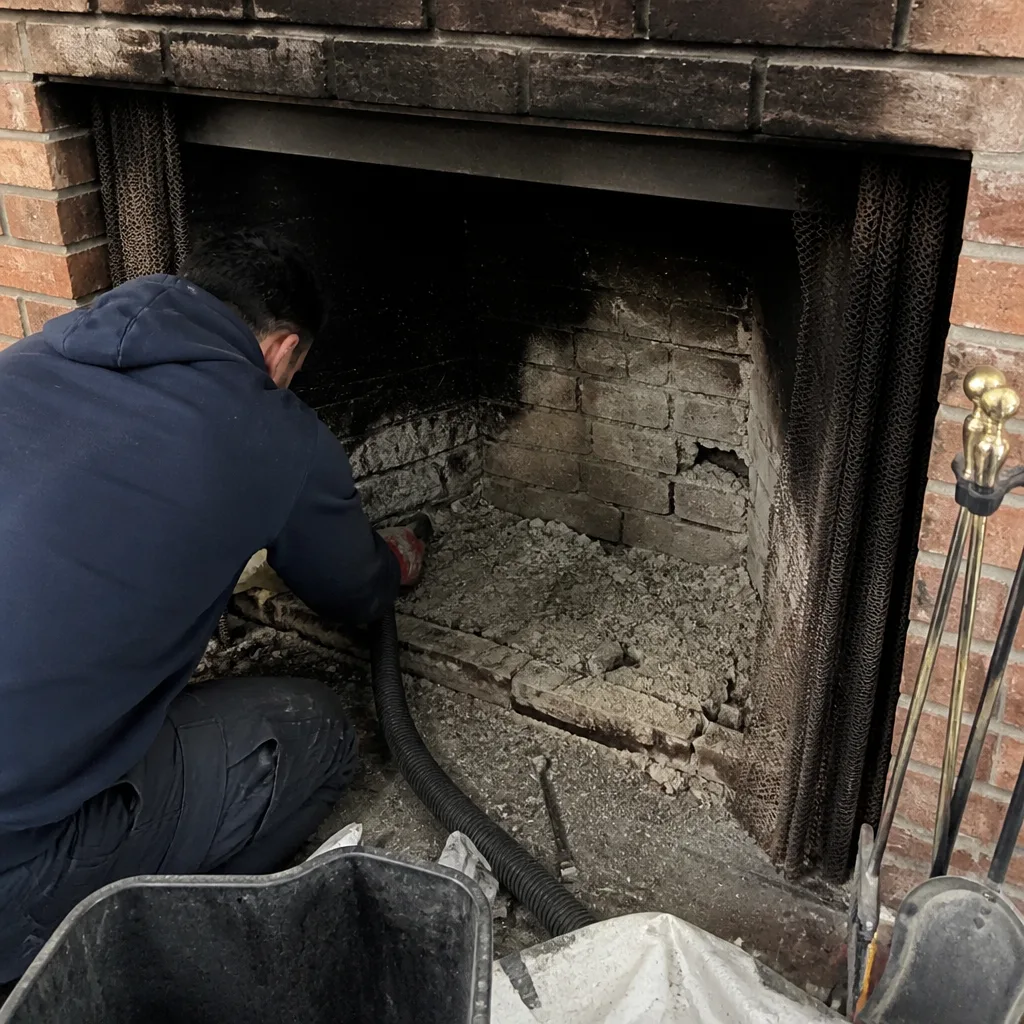 Before
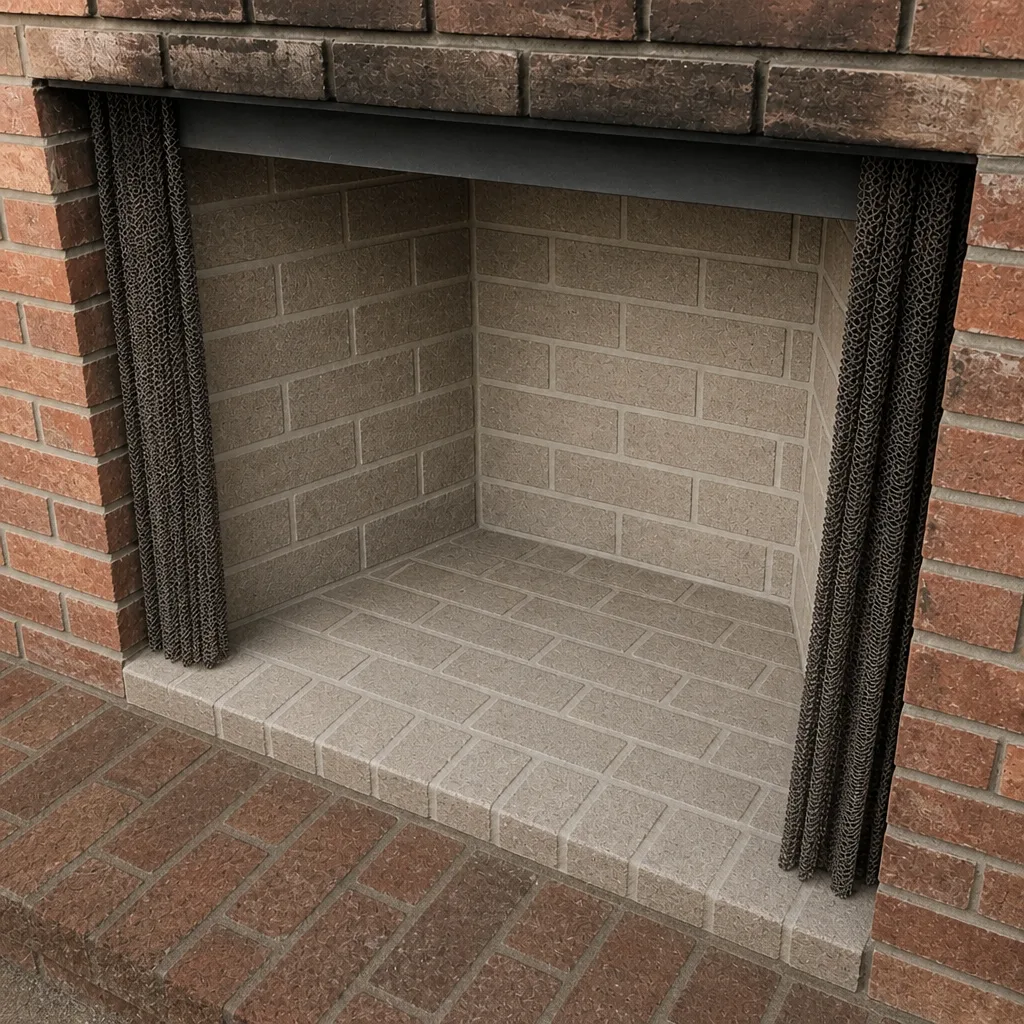 After
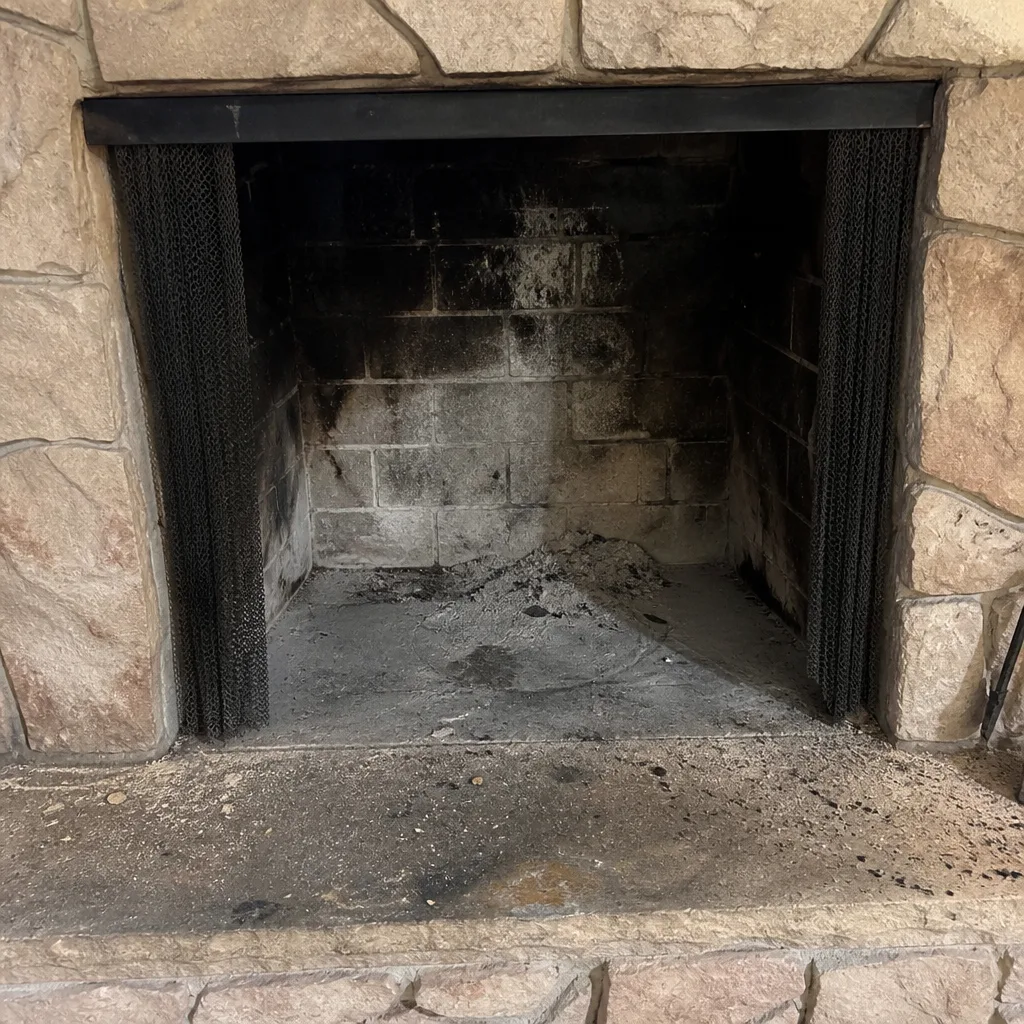 Before
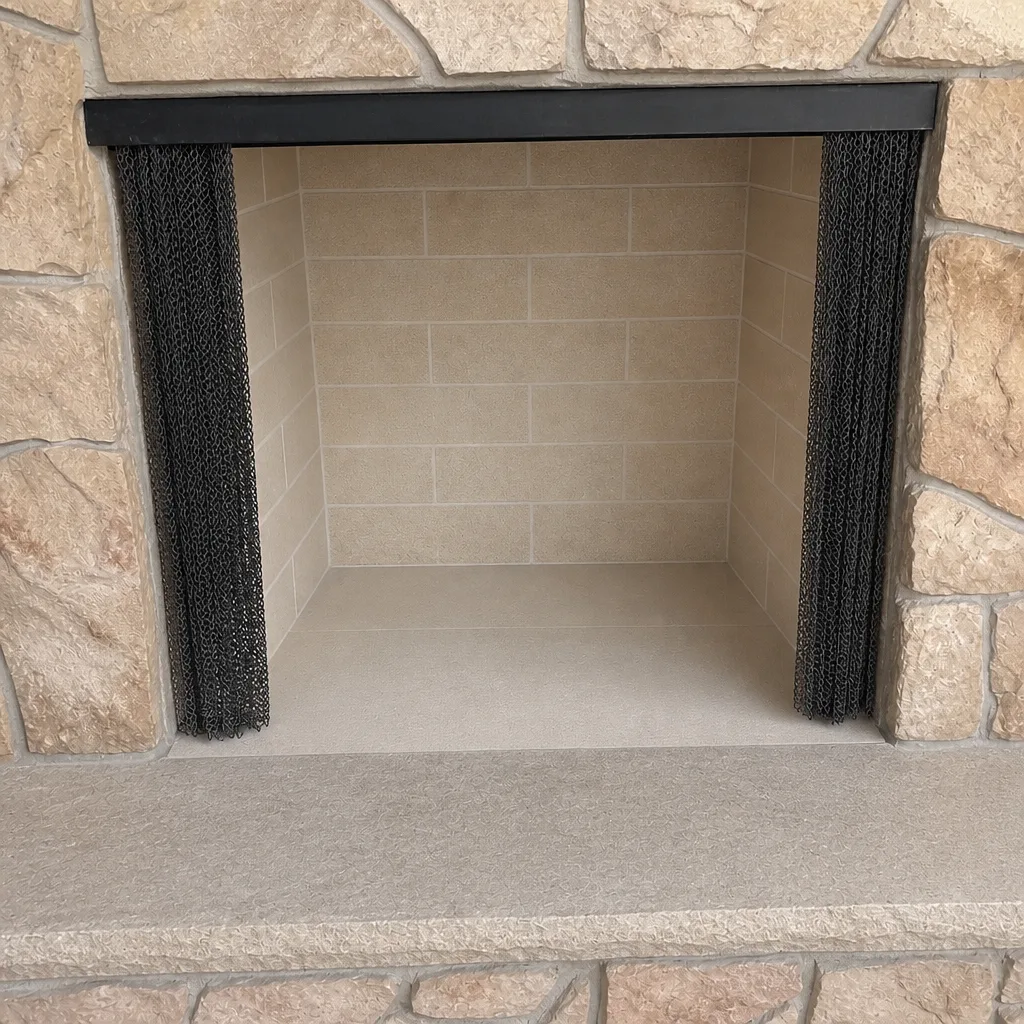 After
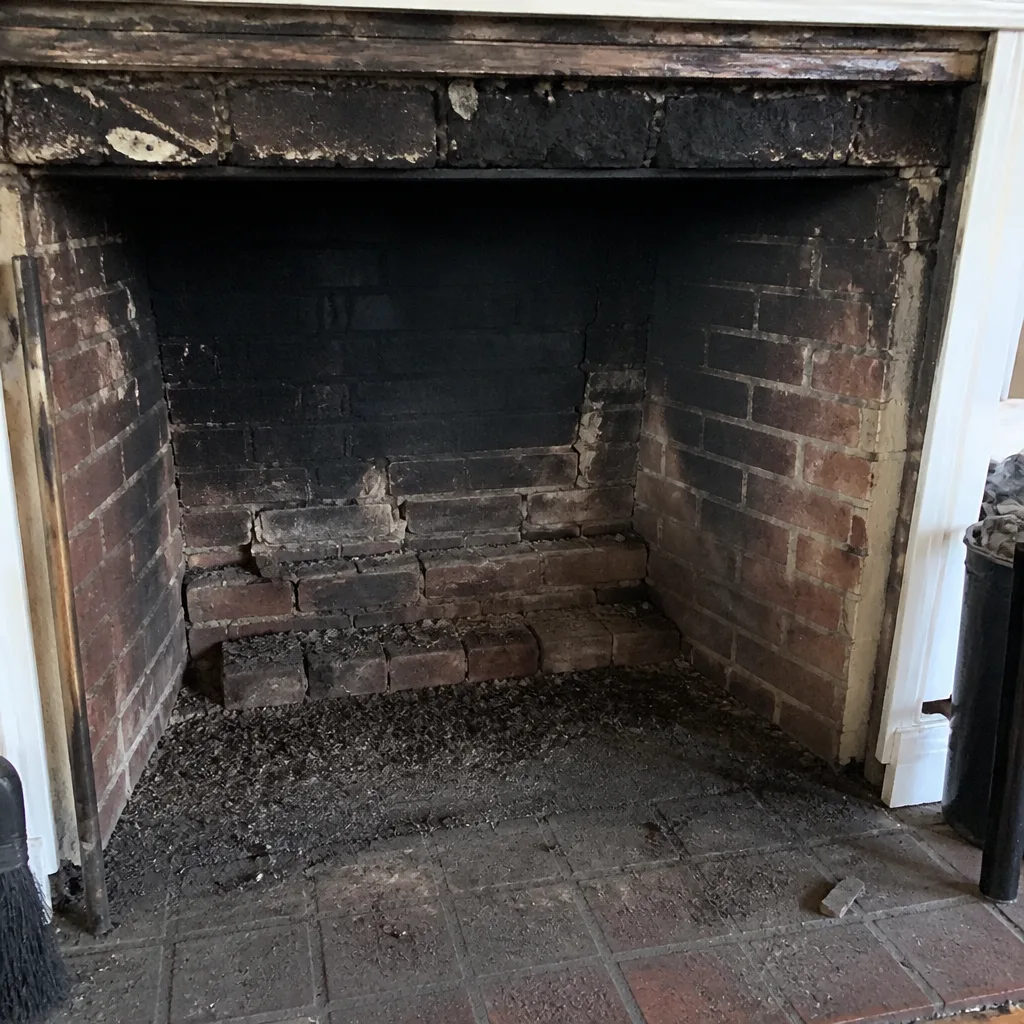 Before
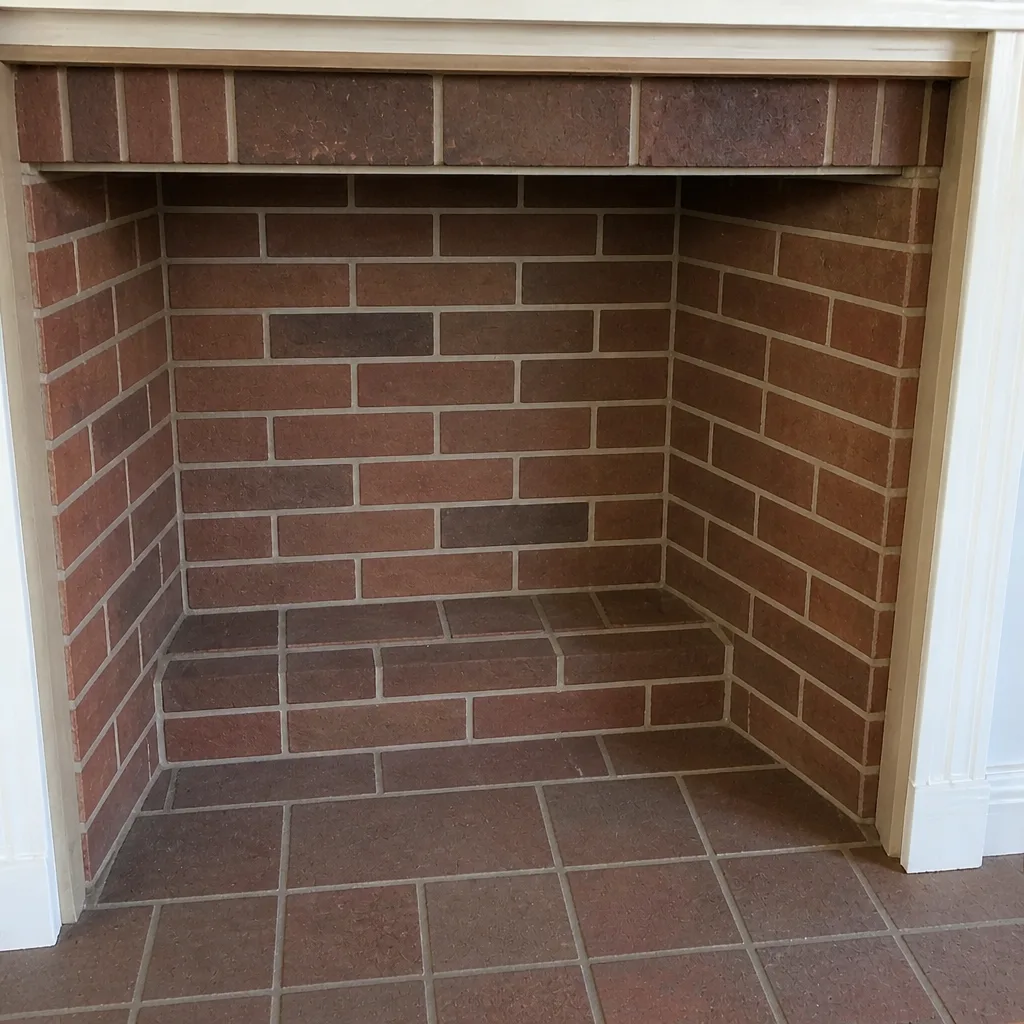 After
When to Call a Professional
Call a specialist if you see any of the following: white efflorescence on exterior brick, brown staining at the firebox, rust on the damper, soot on the wall above the firebox, a smoke smell with no fire, popping or ticking that comes from the flue, or a fire that smokes back despite an open window. Call the fire department first if you see or hear a chimney fire, then a specialist for the inspection that follows. And call if it’s simply been more than a season since your last sweep and you heat with wood regularly. The point of the call is diagnosis, not sales. Chimney Sweep South Ozone Park offers free estimates in South Ozone Park. Call (877) 492-4232. We answer 24/7. Fast dispatch from 7am to 7pm, Sunday through Friday.
Frequently Asked Questions
A standard sweep in South Ozone Park is typically a modest, per-job estimate, and the written estimate you receive before any work begins sets the final price. The sweep itself includes a camera inspection and a photo report at no extra charge, so you can see the inside of your flue and verify what’s being recommended. Anything beyond the sweep, like a cap, a crown repair, or liner resurfacing, is quoted separately with photos to back it up. Call (877) 492-4232 for an exact quote. Estimates are free.
Not always, and that’s the important part. In many cases the liner you have can be resurfaced rather than replaced. HeatShield ceramic resurfacing is an EPA-recognized process that repairs a compromised liner from the inside, which can save significant cost compared with a full replacement. When a full replacement is genuinely needed, flexible liner systems like DuraFlex allow relining without demolishing the surrounding chimney structure, which is less invasive and faster than older methods. The only way to know which applies is a camera inspection. We don’t recommend liner work without photos you can see for yourself. Call (877) 492-4232 for exact pricing.
A chimney should be swept once a year if you burn wood regularly, or more often if you burn heavily. In practice, most South Ozone Park homeowners get the sweep in before the first fire of the season, which also gives time to address any cap, crown, or liner issues the inspection turns up. Homes that burn only occasionally can stretch the interval, but the annual inspection is still the right baseline. If you’ve had a chimney fire, a sweep alone isn’t enough; the inspection matters more. Call (877) 492-4232 to book a sweep and inspection together.
Creosote builds up in the flue, and thick creosote is what fuels a chimney fire. Separately, an unmaintained flue can develop an obstruction that pushes smoke and carbon monoxide back into the house instead of up and out. The signs we cover in this guide, like brown staining and a summer smoke smell, are the early warnings that this is happening. Skipping the sweep doesn’t cause a problem the same day, but the risk grows with every fire. Call (877) 492-4232 to book an inspection and find out where you actually stand.
Yes, and it’s usually a waterproofing problem. When no fire is burning but the fireplace smells smoky or sour, water has typically gotten into the flue and is reactivating dormant creosote deposits. The fix is to find where the water is getting in, usually through the crown or a missing or failed cap, and seal it. A damper upgrade won’t address it. Call (877) 492-4232 for a free estimate.
Yes, because most chimney fires aren’t visible from inside the house. The signs are a low roar that sounds like wind, a hot or metallic smell, black smoke at the cap, and popping or vibrating from inside the chimney. If any of these happen, get everyone out and call 911 first, then book an inspection before you burn again. A fire that goes out on its own can still leave a damaged liner. Call (877) 492-4232 after the fire department clears the scene, and we’ll inspect it. We answer 24/7.
The Bottom Line
Most chimney warning signs are visible from inside the house long before anyone gets on the roof. The trick is reading them correctly: white powder and brown staining point to water, rust points to a failed cap, soot above the firebox points to smoke chamber geometry, and popping or ticking points to the liner. Getting the cause right is what protects you from being upsold on a repair that doesn’t fit the symptom. And a single low roar with black smoke at the cap is a chimney fire, which means 911 first and an inspection after. If you want someone to map your symptoms to actual causes, with photos you can see and named parts you can verify, call Chimney Sweep South Ozone Park at (877) 492-4232 for a free estimate. We answer 24/7. Fast dispatch from 7am to 7pm, Sunday through Friday.
Written by the team at Chimney Sweep South Ozone Park.