
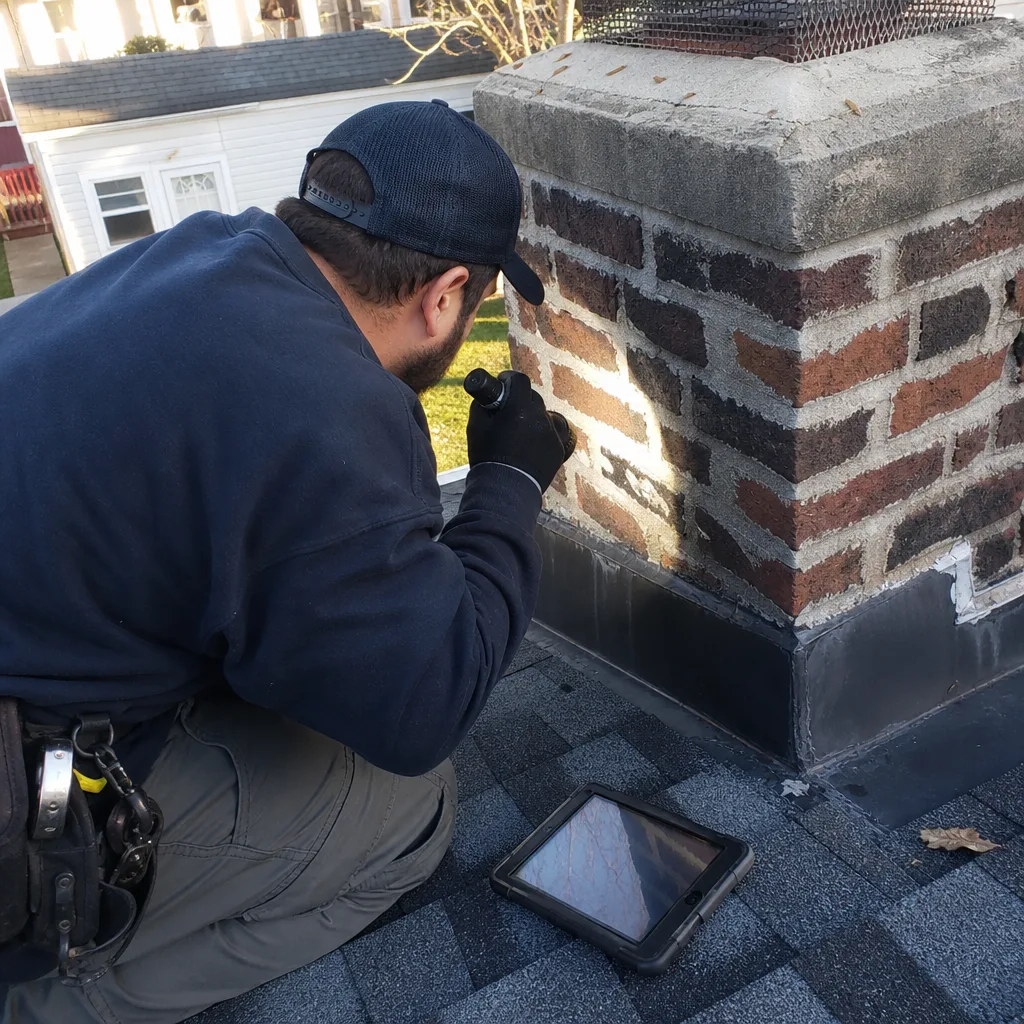
Last updated November 25, 2026
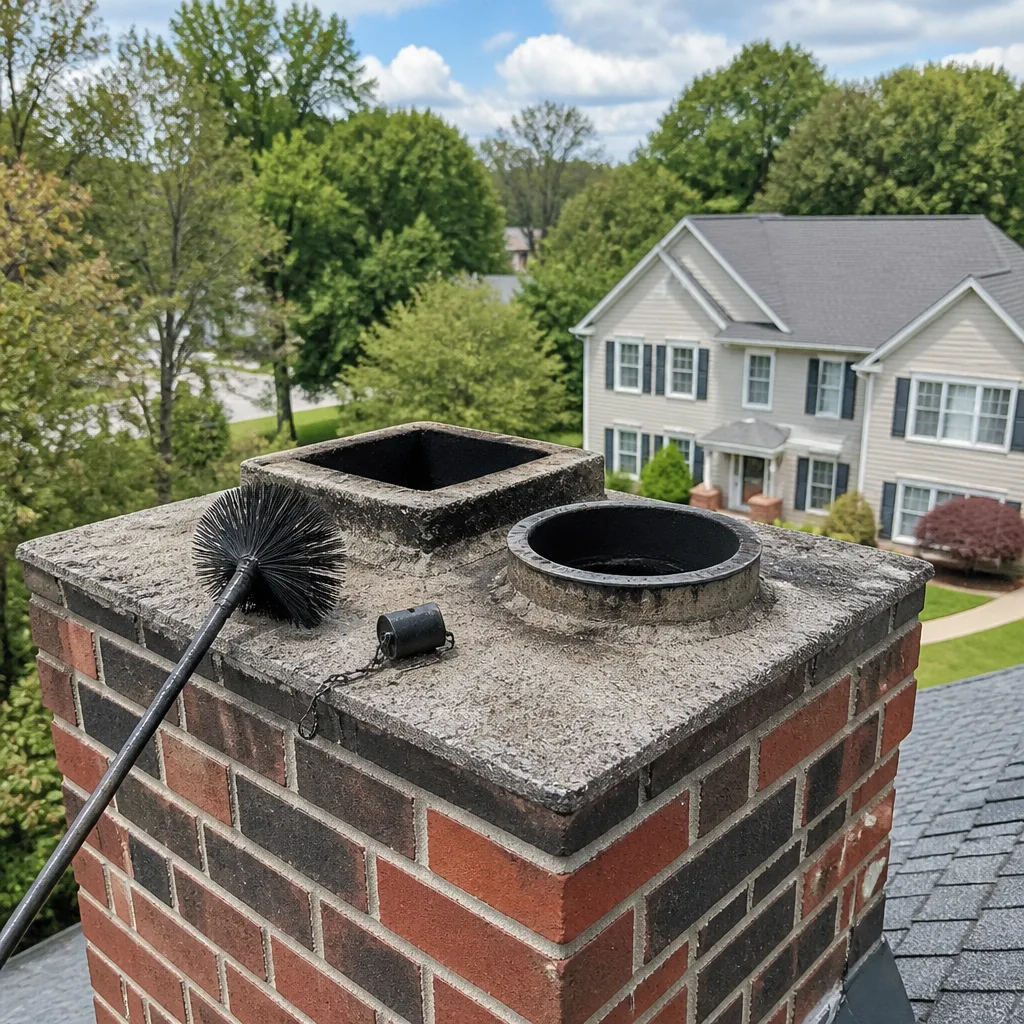 Sweep & inspection
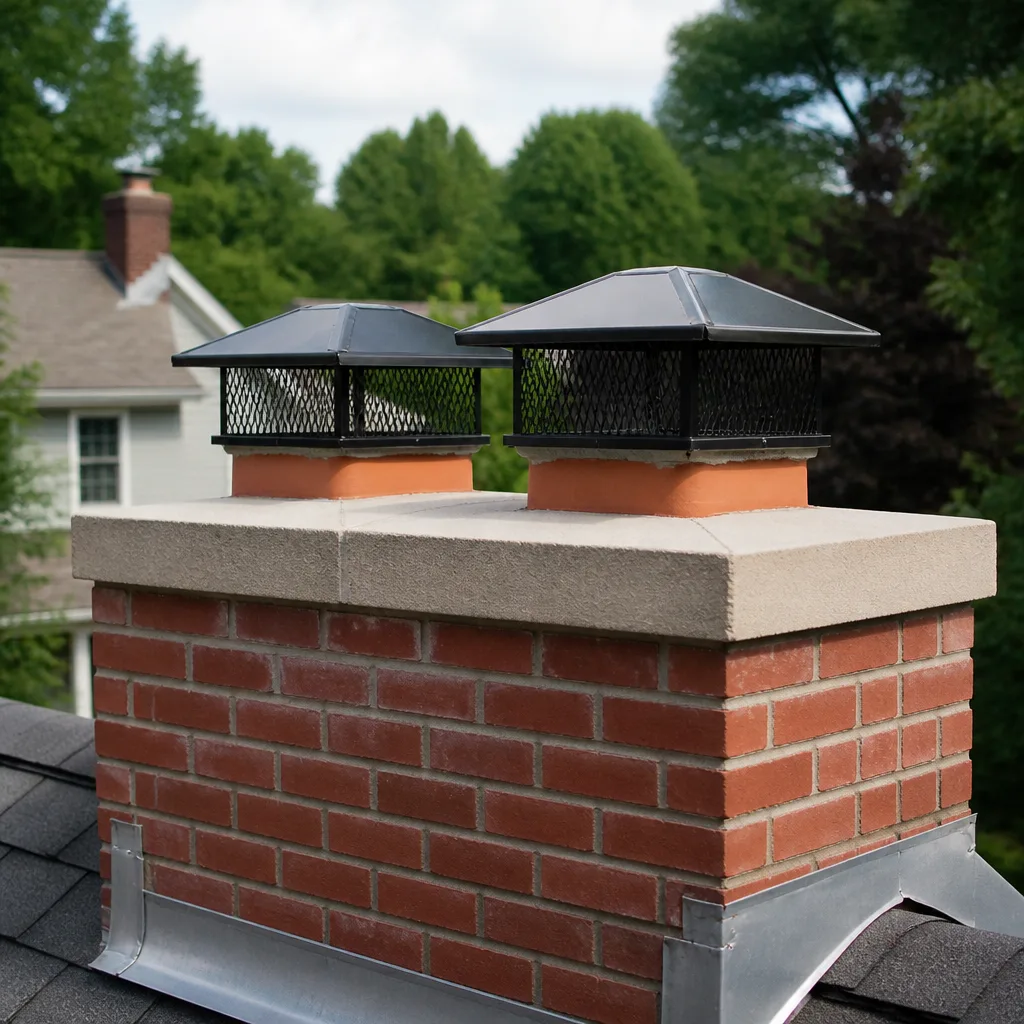 Caps & crowns
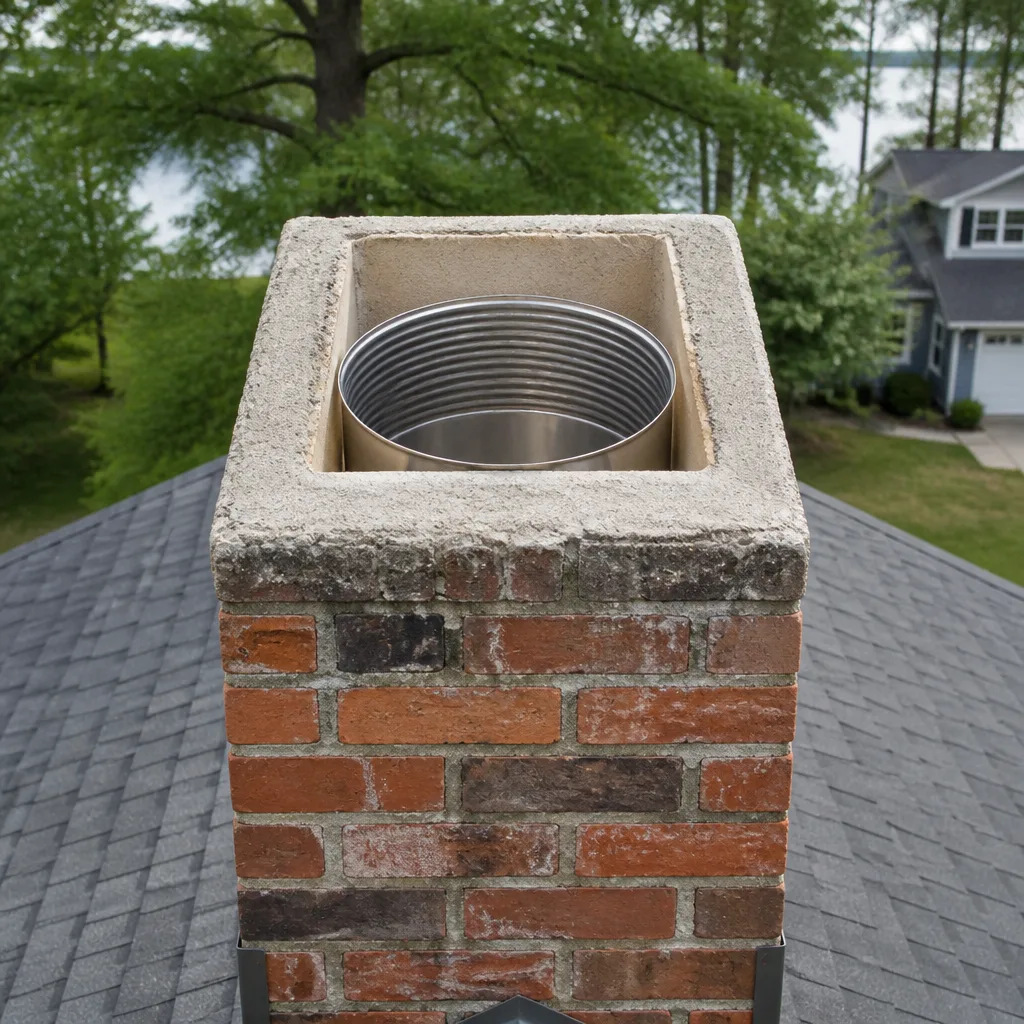 Flue relining
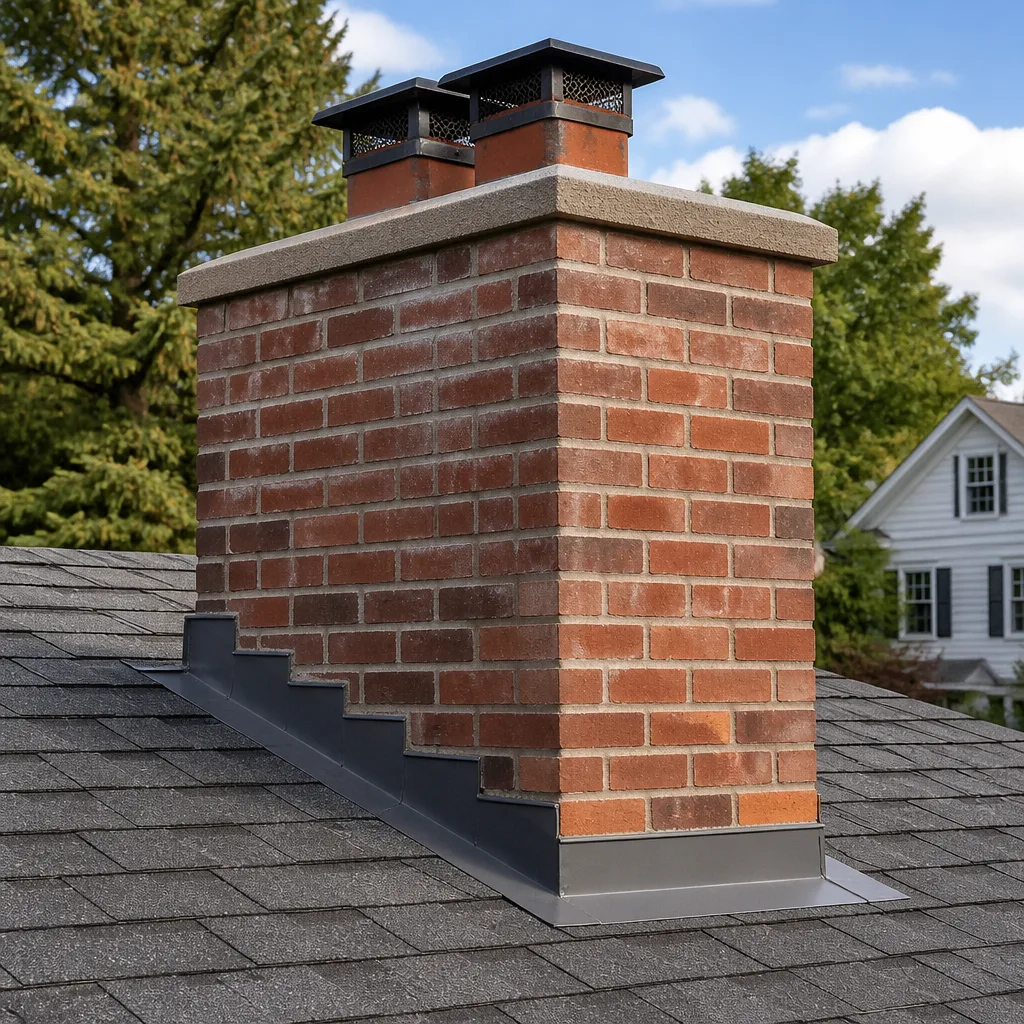 Masonry repair
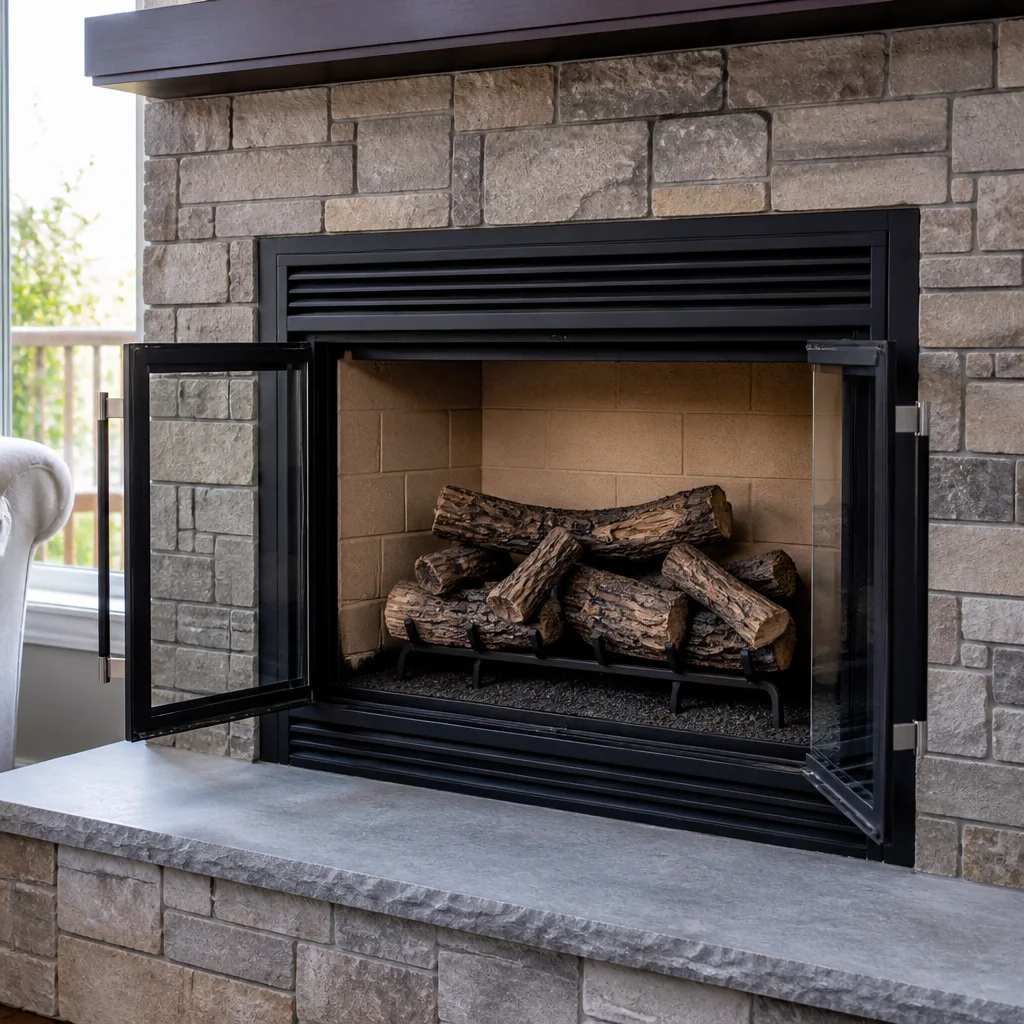 Gas fireplace service
Level 1 sweep and inspection to the NFPA 211 annual standard - flue, crown, cap, and flashing checked and photographed
Chimney sweep logs do not sweep chimneys. They loosen some creosote - which then falls where a brush and vacuum still have to collect it.
Chimney Cleaning Permits, Codes & Inspections in South Ozone Park, NY: What You Need to Know
Most people assume chimney work in New York City lives outside the permit system. Cleaning is maintenance, so surely nothing else is regulated either. That assumption breaks down fast. NYC Local Law 11 inspections already flag exterior masonry defects, including deteriorated chimney crowns on older South Ozone Park row homes, and most homeowners don’t connect those findings to what a sweep reports inside the flue. Cleaning itself needs no filing. A liner replacement, a crown rebuild, or structural masonry work on the same chimney can. This guide maps exactly where that line sits, how the code sections interact, and what to look up before you buy or sell.
Quick Answer
Routine chimney cleaning in South Ozone Park does not require a NYC Department of Buildings permit. The moment the work moves into liner replacement, crown reconstruction, or structural masonry repair, it enters regulated territory that can require a DOB filing under NYC Building Code and must comply with NFPA 211. Inspection is not the same as permitting: a Level 2 inspection produces a diagnostic report, not a permit, though that report is what any competent contractor uses to decide whether a filing is needed at all.
Styles & brands we work with
- Sweep & inspection
- Caps & crowns
- Flue relining
- Masonry repair
- Gas fireplace service
Table of Contents
- Which Chimney Services Need a DOB Permit and Which Don’t
- How NYC Building Code BC 2113 and NFPA 211 Work Together
- What a Level 2 Inspection Report Actually Contains
- Inspections During a Home Sale in South Ozone Park
- How to Look Up Open DOB Violations on a Property
- When the CO Detector Requirement Kicks In
- Why South Ozone Park’s Housing Stock Changes the Answer
- Questions to Ask Before Any Contractor Starts Work
Which Chimney Services Need a DOB Permit and Which Don’t
Cleaning is maintenance. Everything structural is a different conversation. Here is where the line falls in practical terms, as we explain it to homeowners in South Ozone Park.
No permit, considered routine maintenance:
- Standard sweeping of the flue, firebox, and smoke chamber
- Level 1 and Level 2 inspections
- Removing creosote buildup and animal nests
- Replacing a chimney cap with a like-for-like unit
Can require a DOB filing depending on scope:
- Installing a stainless steel flexible liner into an existing flue
- Rebuilding a chimney crown down to the masonry
- Removing and reconstructing the chimney above the roofline
- Connecting a new gas appliance to an existing flue
The threshold isn’t the price of the job. It’s whether the work changes the structure or the venting system. A like-for-like cap swap doesn’t alter the system. A relined flue does. A crown that’s cracked at the bond line and gets patched with a sealant is maintenance; a crown that comes off and is poured new is construction.
This matters in South Ozone Park because the housing stock leans toward older one- and two-family homes where a chimney has often been modified at least once. If a prior owner installed a liner without paperwork, the current job is also a correction of unpermitted work, and that’s a different scope. A proper Chimney Sweep South Ozone Park visit should include a look at the whole system before anyone quotes a repair.
When in doubt, ask the contractor to say in writing which line the job falls on and why. A specialist who knows the code can answer that in one sentence.
How NYC Building Code BC 2113 and NFPA 211 Work Together
NYC Building Code Section BC 2113 governs chimneys and vents in the city. NFPA 211 is the national standard for chimneys, fireplaces, vents, and solid fuel appliances. When a contractor recommends a stainless steel liner in a Queens property, both apply, and they play different roles.
BC 2113 sets what the job must achieve and what requires DOB review in a New York City building. NFPA 211 sets how the system should be designed, sized, clearanced, and listed. The building code references the standard as the minimum technical benchmark. In practice:
- The standard sizes the liner. An oversized flue cools exhaust too quickly, which is why a stainless liner must match the appliance’s venting requirement, not just slide into the old cavity.
- The building code determines whether the installation gets filed. A relining that changes the vent system usually brings a DOB permit into the picture; the standard alone never issues one.
- The listed product matters. DuraFlex flexible liner systems are a code-compliant, UL-listed product line, and Olympia Chimney components are recognized in the trade. A contractor should be able to name the product going in, because that’s what an inspector will look for.
- HeatShield ceramic resurfacing is a recognized liner repair process and, in some cases, repairs the liner you have instead of replacing it, which can move a project back to the maintenance side of the line.
Here’s where BC 2113 and NFPA 211 diverge in the real world: the standard allows a compliant system that the building department still wants filed if the scope is a system replacement. Homeowners sometimes think a UL-listed liner ends the conversation. It doesn’t. The product is compliant; the job still has to be documented if it hits the filing threshold.
That’s the gap we walk homeowners through most often in South Ozone Park. The right first step is a proper chimney sweep and a Level 2 inspection so the recommendation is diagnosis-driven, not upsell-driven. Then, and only then, do you decide whether the job needs a filing.
What a Level 2 Inspection Report Actually Contains
A Level 2 inspection is the report you’ll need in a real estate transaction. It’s also the report that tells you whether your chimney needs a permit-level repair at all. It goes beyond a standard sweep: accessible portions of the interior and exterior of the chimney, the flue, the firebox, the vent connection, and the crown all get looked at, usually with a camera.
A proper Level 2 report in South Ozone Park includes:
- Accessible flue condition recorded with video, so you’re seeing what the technician sees
- Visible masonry and crown defects noted with location
- The type and level of any residue in the flue
- Venting arrangement, including appliance connections where accessible
- Whether a repair requires a DOB filing or falls under maintenance
- Photos either way, not prose you can’t verify
The camera is the part that matters. A crew can’t honestly tell you the liner is failed without showing you the liner. We’d rather hand you the photo than your money, because a homeowner who sees the crack makes a better decision than one who takes a claim on faith.
On an older South Ozone Park home, the report often surfaces a mix: a sound upper flue, a compromised lower section, a crown that’s cracked, and a firebox that’s still serviceable. That combination often calls for HeatShield resurfacing instead of full replacement. The report is what makes the call defensible. Olympia Chimney and DuraFlex products get named in the findings when they’re specified, so you can verify the materials later.
Inspections During a Home Sale in South Ozone Park
In a home sale, a Level 2 inspection is usually the inspection the buyer’s lender and insurance company both end up relying on. What happens after that is a negotiating question, not a code question.
Whether findings must be disclosed depends on New York State property condition disclosure requirements and on how the sale is structured. What must happen is simpler: the inspection report should reach both sides of the transaction, because a chimney defect documented on paper before closing belongs to the seller. The same defect discovered after closing belongs to the buyer.
Where permits come in:
- Ask whether the chimney has ever been relined or rebuilt. If yes, ask for the DOB filing or the permit number.
- Get a Level 2 inspection if one wasn’t already done. A sweep report is not a substitute.
- Look up open violations tied to the address (see below) before signing anything.
- Decide remediation before closing or request a credit, not a verbal promise. A credit with no written scope usually becomes unpermitted work later.
In South Ozone Park’s two- and three-family market, this comes up constantly, because a chimney that was relined for one unit and later repurposed for another has often had more than one hand in it. Our advice is always the same: get the report, look up the filings, then decide what to ask for. Nothing should be recommended without evidence you can see.
How to Look Up Open DOB Violations on a Property
NYC’s Buildings Information System (BIS) is public and free. You can check a South Ozone Park address before you buy it, before you sell it, or before you hire anyone to work on the chimney.
- Go to the NYC Department of Buildings website and open the Buildings Information System.
- Search by the property address. Use the borough and the house number, not just the street.
- Open the property profile and review the complaints and violations tabs for open items.
- Check the job filings tab for any previously permitted chimney or masonry work and whether it was signed off.
- Note any Local Law 11 facade-related items, since exterior masonry findings can reference chimney parapets and crowns on older row homes.
Why this matters for chimneys specifically: a filing that was opened for a liner installation and never signed off stays open. When a later owner tries to sell, the open filing surfaces in the title search and can delay closing. It’s much easier to correct a stale filing before the transaction than during it.
When you do call us to look at a chimney, mention any open violation you found. It changes how we scope the inspection, because the goal becomes matching what the report says to what the building department already has on file. A chimney cap & crown job that addresses an exterior defect noted in a Local Law 11 filing is often part of that match.
When the CO Detector Requirement Kicks In
NYC Administrative Code §27-981 ties carbon monoxide detector requirements to the presence of gas-fired appliances and other CO sources in a dwelling. If chimney work touches a gas-connected appliance, or if the work brings a gas appliance back into service on an existing flue, the CO detector question becomes part of the job, not an afterthought.
The practical sequence:
- Any gas appliance connected to the chimney is a CO source the code cares about.
- A CO detector in the dwelling is required under §27-981 in that situation.
- After chimney work that alters or restores venting for a gas appliance, confirm the detector is present and functioning before the appliance goes back into use.
This isn’t a step we save for the end. When we restore venting on a gas-connected appliance, we check the detector is in place, and if it isn’t, we say so before we leave. We don’t install CO detectors as a service, but we will confirm one is present and tell you plainly if it isn’t, which is the honest version of a safety check.
Why South Ozone Park’s Housing Stock Changes the Answer
South Ozone Park sits in southern Queens, close to JFK and the Belt Parkway, where the housing stock is dominated by attached and semi-detached two- and three-family homes built in waves across the mid-20th century. A chimney on a South Ozone Park row home is shared or partly shared with a neighbor’s roofline more often than in a detached suburb, and crown and parapet defects show up on both sides of a shared wall at once.
The local climate plays a role too. Queens winters cycle between freeze and thaw, and that cycle works on masonry and on the crown, which absorbs water and spalls over the years. When a crown is already compromised, a winter of freeze-thaw can push a repairable crack into a rebuild. That’s why a crown inspection in late fall, before the heating season starts, usually produces a cheaper answer than one done in the middle of it.
What this means for permits and codes:
- Shared chimneys can require a contractor to coordinate with a neighbor’s roofline, which adds scope to a filing.
- Older masonry means the code-compliant liner may need a different path through the chimney.
- Gelco and Famco cap and crown components are purpose-built for these applications, which helps when an inspector reviews a newly installed crown.
Questions to Ask Before Any Contractor Starts Work
Ask these in writing. A specialist will answer them without hesitation; a generalist will hedge. They’re the filter that separates a chimney repair contractor who knows the code from one who doesn’t.
- Does this specific job require a DOB filing? If the answer is “we’ll figure it out,” that’s not an answer.
- Which product is going in? The name should be specific (HeatShield, DuraFlex, Olympia Chimney), not “a stainless liner.”
- Will I get photos with the inspection report? If not, the report is prose, not evidence.
- What does the report say about the crown, the flue, and the venting arrangement, and what can safely wait?
- Is a CO detector in the dwelling, and will the job bring a gas appliance back online?
- Does the estimate name the scope, or just a price?
We ask our customers to test us on these, because the answer should hold up. Our technicians have up to 8 years of experience, and every job starts with an inspection, so the recommendations come from what the chimney shows, not from a script.
Common Mistakes to Avoid
- Assuming cleaning covers everything. A sweep keeps a flue working, but it says nothing about structural condition. Only a Level 2 inspection catches a cracked crown or a failing liner, and in South Ozone Park that gap is where most permit-level repairs get missed.
- Treating a reline as a routine maintenance item. A liner replacement changes the vent system. Ask whether the job requires a DOB filing before the first wrench turns, not after.
- Skipping the BIS lookup before buying. An open filing on a previous liner installation can stall a closing, and it takes ten minutes to find out before you sign.
- Accepting a verbal recommendation over a photograph. If the crew won’t show you the flue on camera, you have no basis for the size of the repair they’re quoting.
- Forgetting the CO detector after gas appliance work. NYC Administrative Code §27-981 applies when the work touches venting for a gas appliance, and the answer to “is there a detector” needs to be yes before the appliance goes back in service.
- Letting a crown defect wait through a Queens winter. A cracked crown that’s patched in spring is often a rebuild by the next spring, because freeze-thaw turns a crack into a split.
- Hiring a roofer or general contractor for chimney work. Chimney systems have their own code and their own materials. A generalist can address a symptom and miss the venting problem underneath.
See the difference
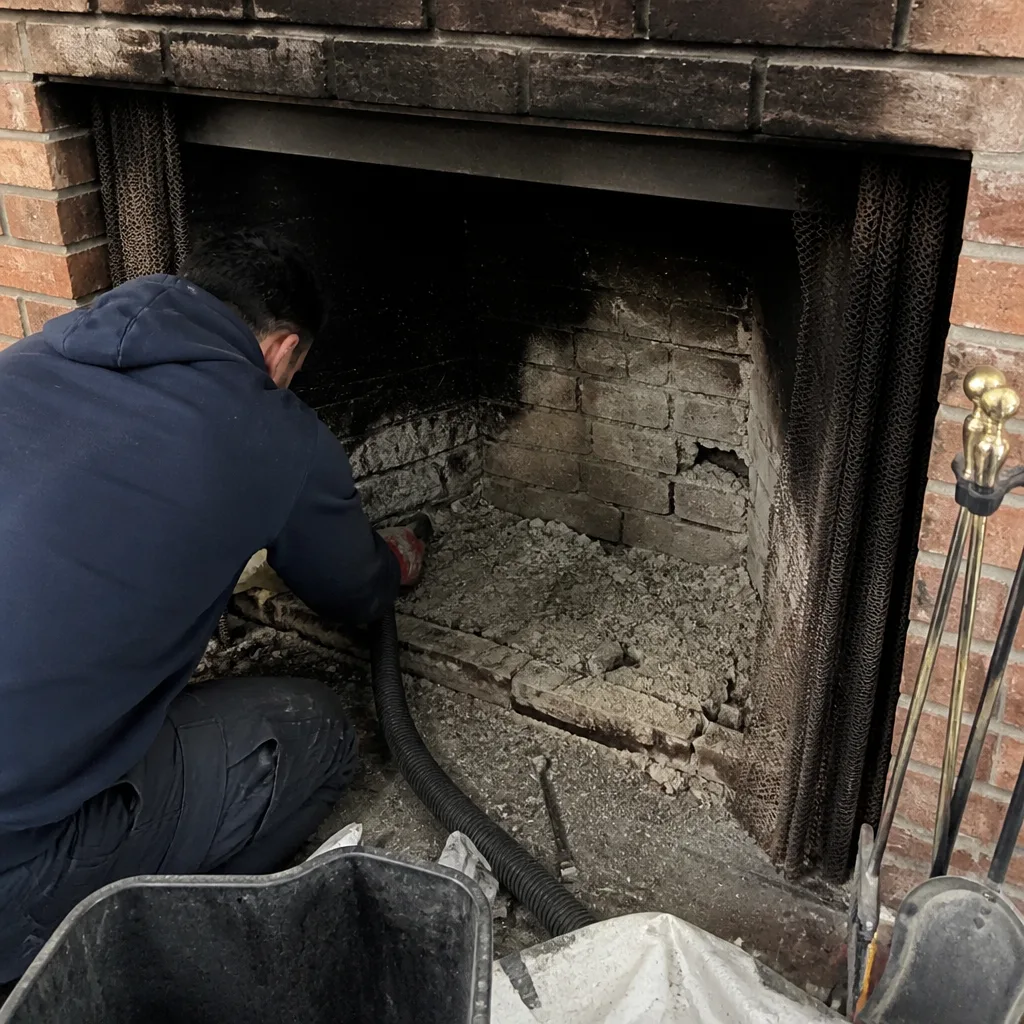 Before
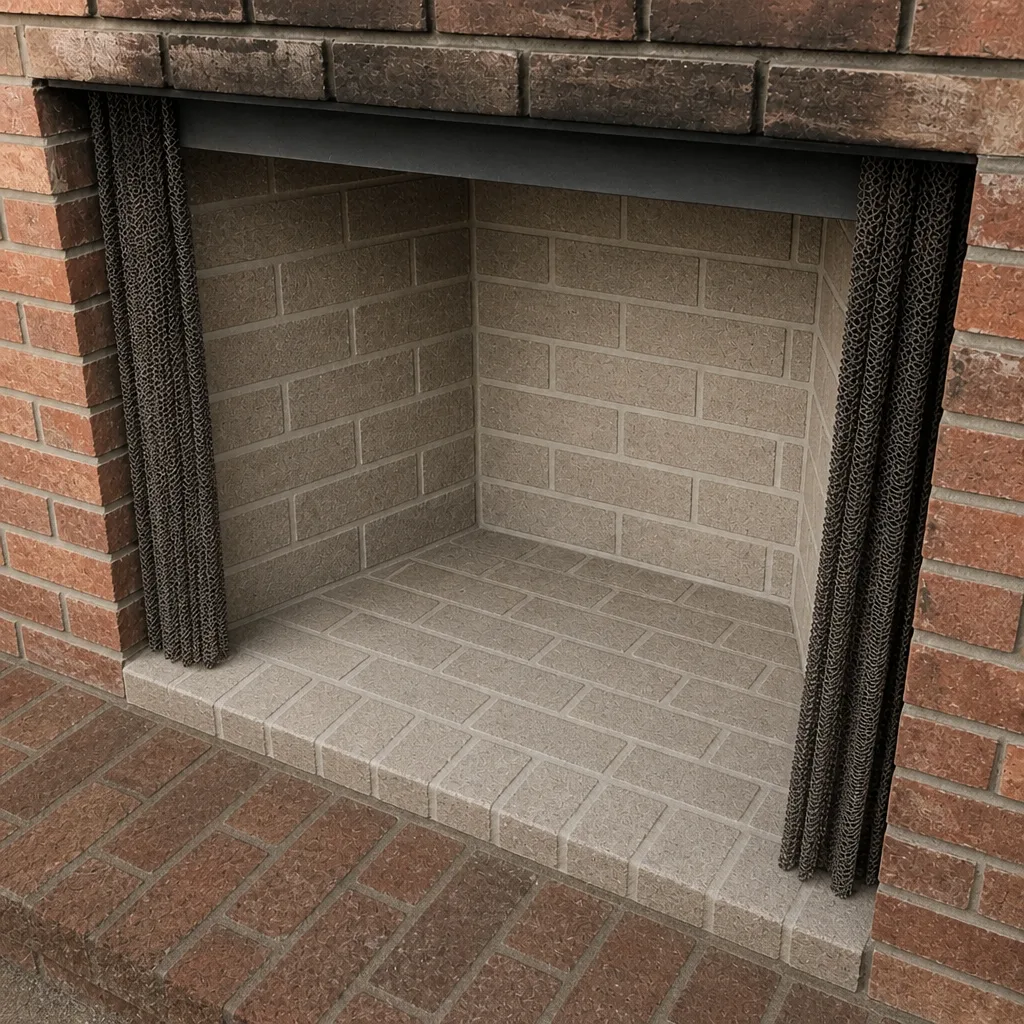 After
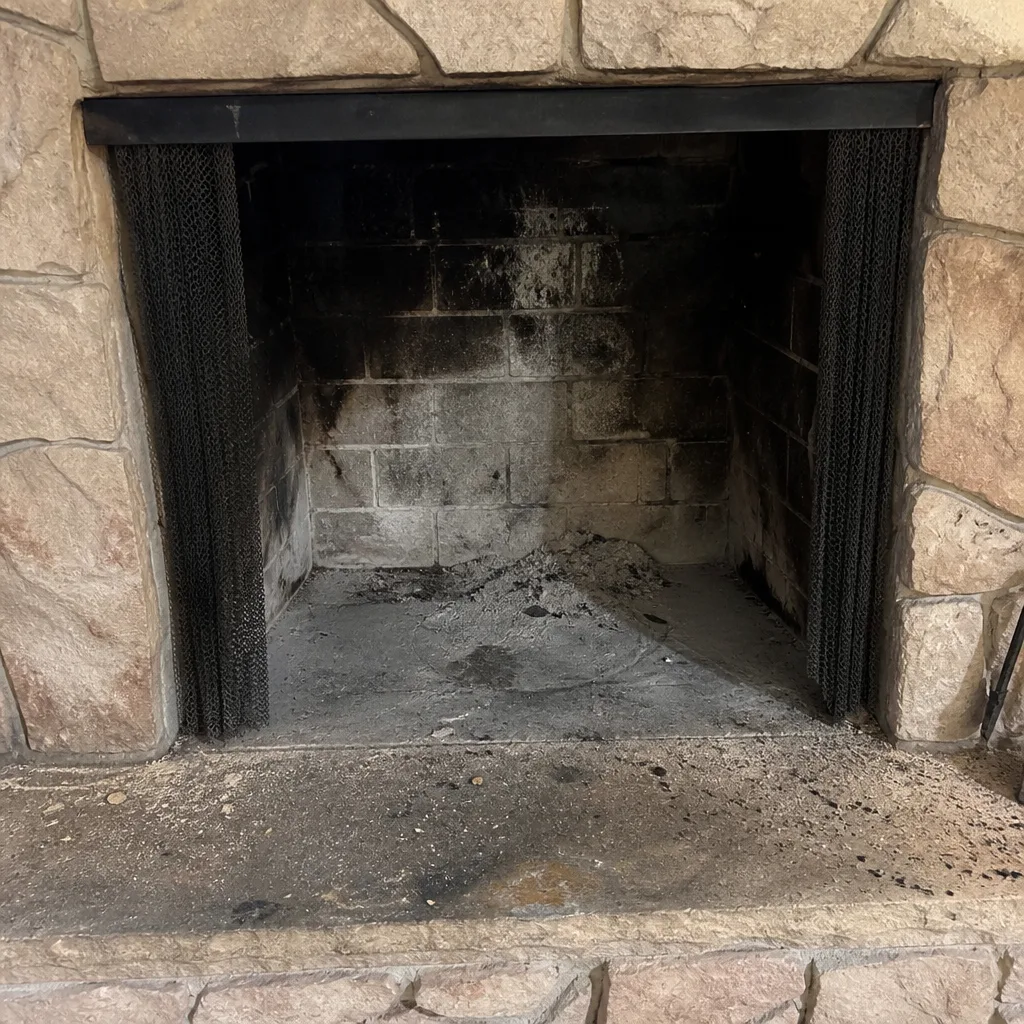 Before
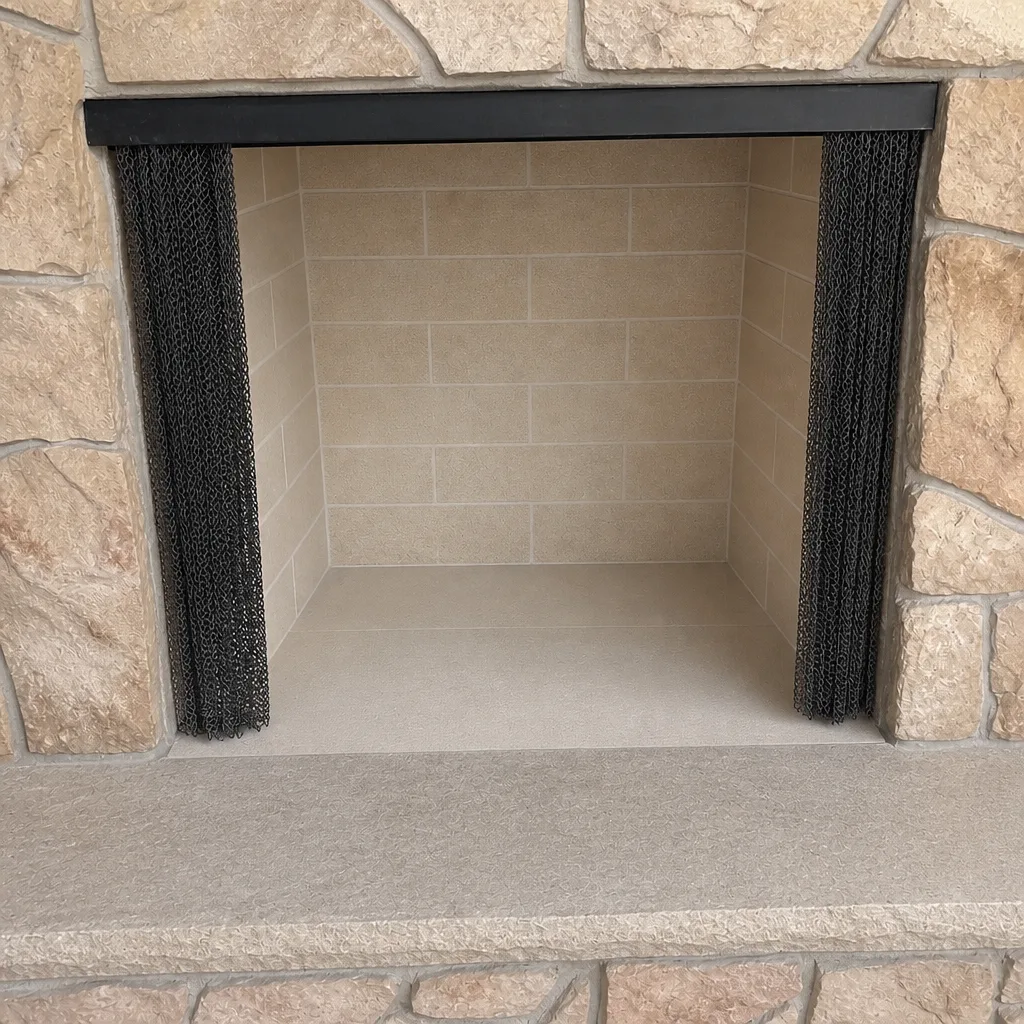 After
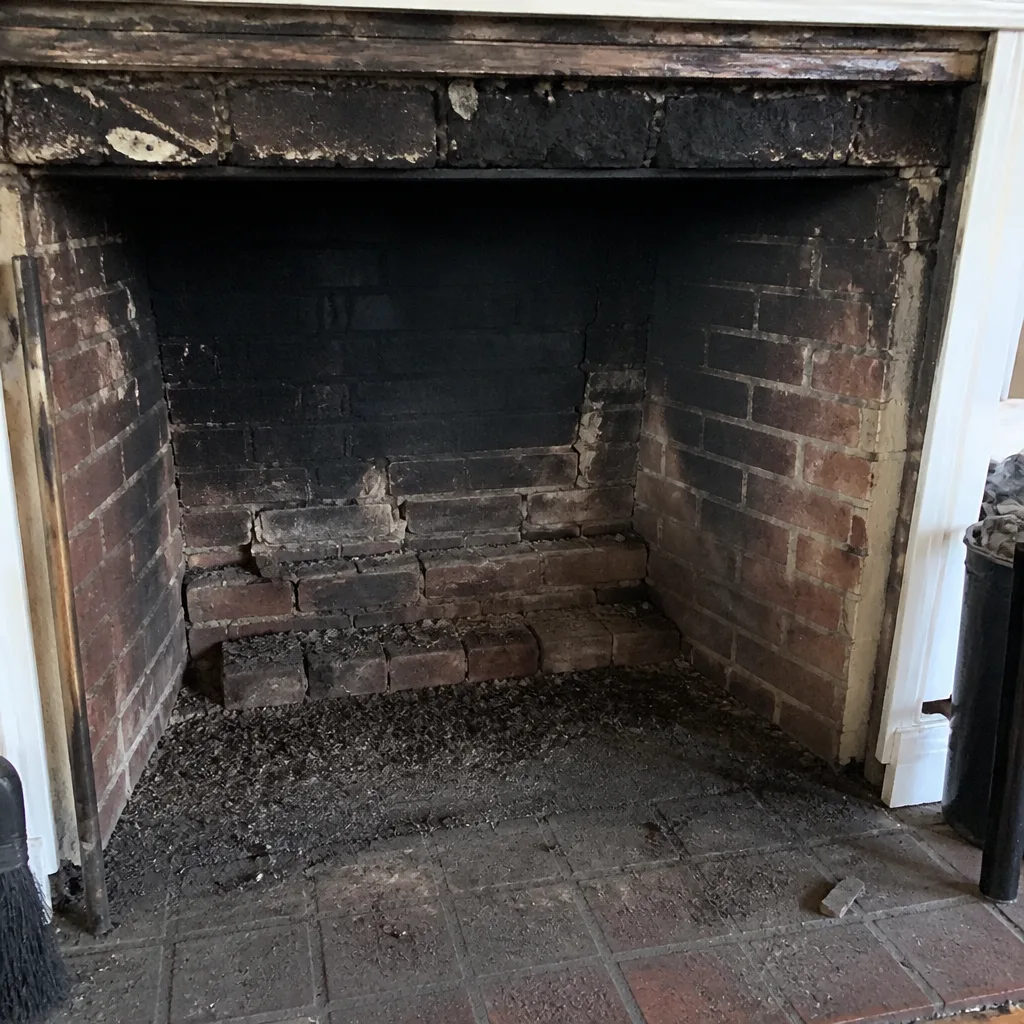 Before
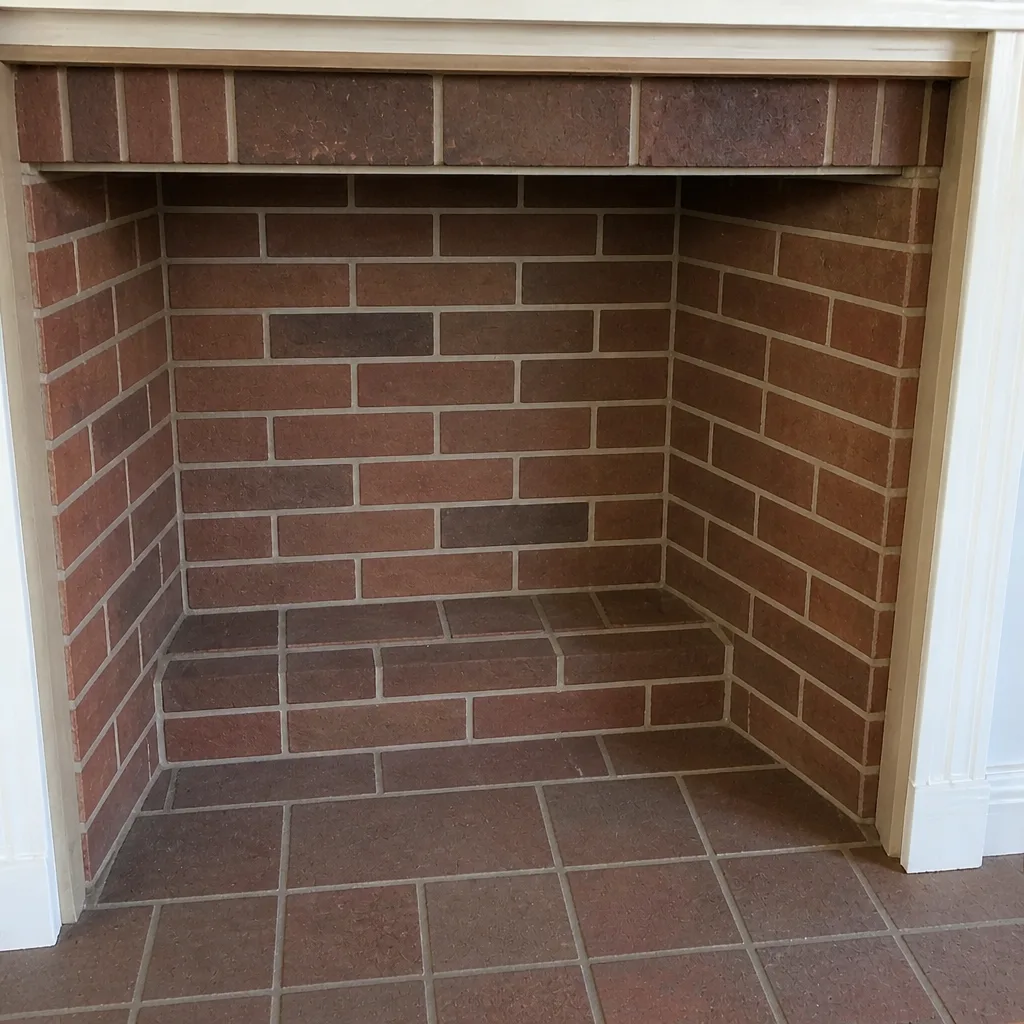 After
When to Call a Professional
Call when the chimney hasn’t been inspected in a heating season, when you’re buying or selling a South Ozone Park property and there’s no Level 2 report on file, or when a prior contractor’s findings didn’t come with photographs. Call when a gas appliance connection has been changed and you’re not sure whether the venting still meets code. Call when a Local Law 11 item references exterior masonry or a crown at the roofline. And call when you get a recommendation for a liner, crown, or rebuild that doesn’t name both the scope and whether a DOB filing is involved. Any of those situations is worth a second opinion before money moves.
Chimney Sweep South Ozone Park offers free estimates in South Ozone Park. Call (877) 492-4232. We answer 24/7. Fast dispatch from 7am to 7pm, Sunday through Friday.
Frequently Asked Questions
No. Routine chimney cleaning is maintenance and doesn’t require a NYC DOB permit. The permit question only appears when the work moves into liner replacement, crown reconstruction, or structural masonry repair. Call (877) 492-4232 for an exact quote on a cleaning or inspection – estimates are free.
Usually yes, because a liner installation changes the venting system and falls under BC 2113 and NFPA 211 instead of routine maintenance. The specific filing depends on scope and the building, so confirm it with the contractor in writing before work starts. Call (877) 492-4232 and we’ll tell you what the job involves.
A sweep removes creosote and blockage; a Level 2 inspection documents the condition of the flue, crown, and venting system with camera evidence. Only the inspection report supports a decision about liner or crown work, which is why every job we do starts with one. Call (877) 492-4232 to schedule.
Yes. A report that documents a failing liner or a cracked crown before closing puts the finding on paper, and the seller and buyer negotiate the remedy from there. An open DOB filing tied to a prior liner work can also surface in the title search and delay closing. Call (877) 492-4232 for a pre-sale inspection.
Sometimes it can be repaired. HeatShield ceramic resurfacing is a recognized liner repair process that restores the existing flue instead of replacing it, and it’s often appropriate when the liner is deteriorated but structurally intact. You should never be told you need a full reline without showing you the failure on camera. Call (877) 492-4232 for an honest diagnosis.
Under NYC Administrative Code §27-981, a CO detector is required in a dwelling where a gas appliance or other CO source is present. If chimney work touches venting for a gas appliance, confirm the detector is present and working before the appliance goes back into service. Call (877) 492-4232 with any questions.
The Bottom Line
Cleaning is maintenance. Liner replacement, crown rebuilding, and structural masonry are the regulated work, and knowing which one you’re being quoted is what protects your insurance and your resale. Get a Level 2 inspection before anything else, look up open DOB violations before buying, and ask about the CO detector when a gas appliance is on the chimney. Get the report, look at the photos, and decide from what you see. A proper sweep is the first step, and a thorough inspection is what makes the rest of the answers defensible.
Ready to find out what’s actually going on with your chimney? Call us at (877) 492-4232 for a free estimate. We answer 24/7, with fast dispatch from 7am to 7pm, Sunday through Friday. Estimates are per job and set by the written estimate, so you’ll know before you commit. Our technicians have up to 8 years of experience, and every job starts with an inspection so the recommendation is diagnosis-driven, not upsell-driven.
Written by the team at Chimney Sweep South Ozone Park.