
Last updated November 25, 2026
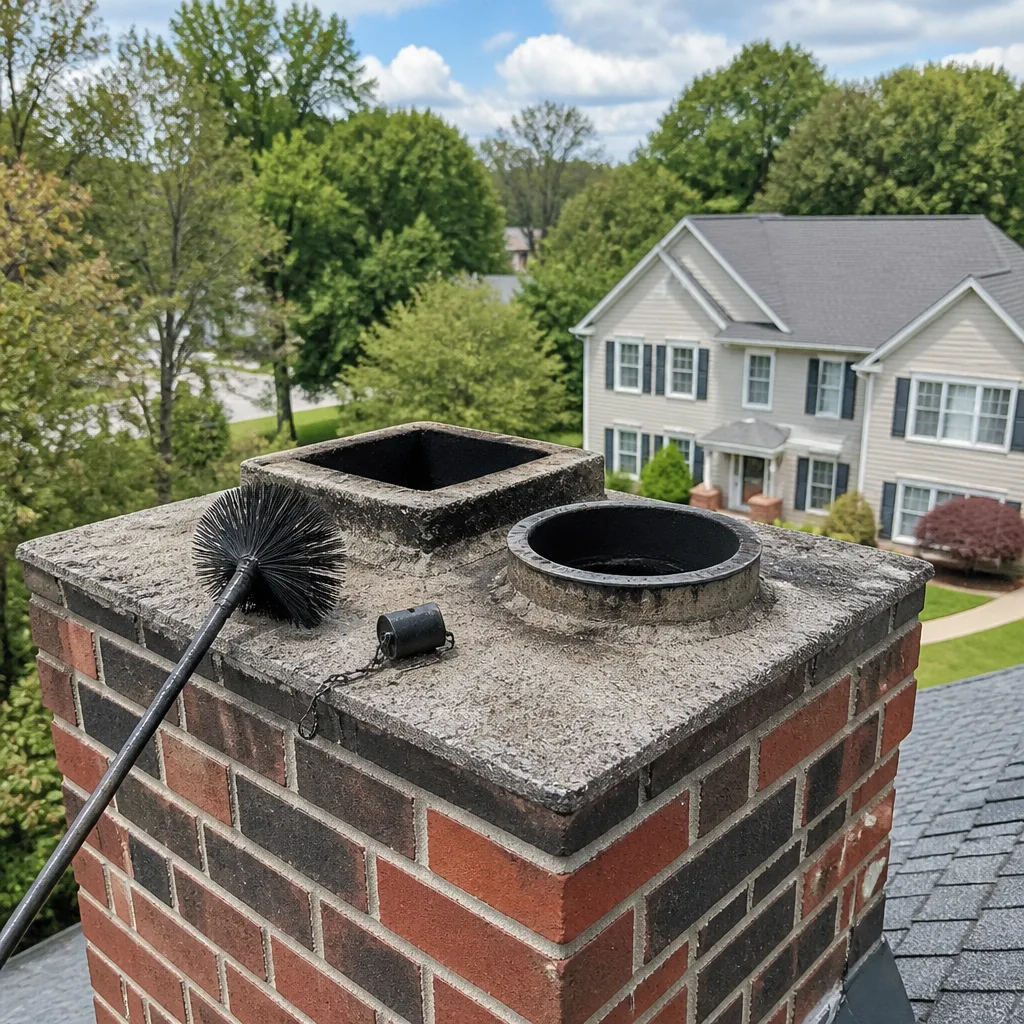 Sweep & inspection
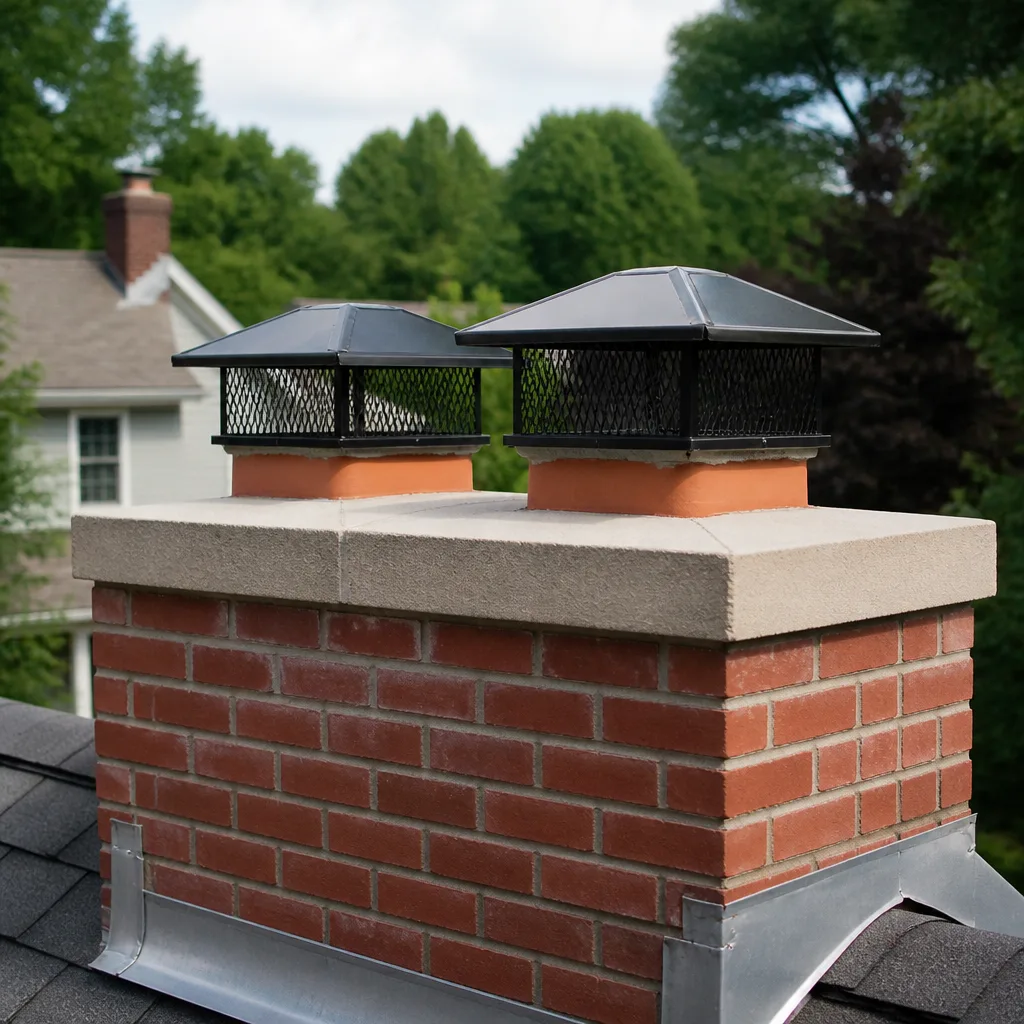 Caps & crowns
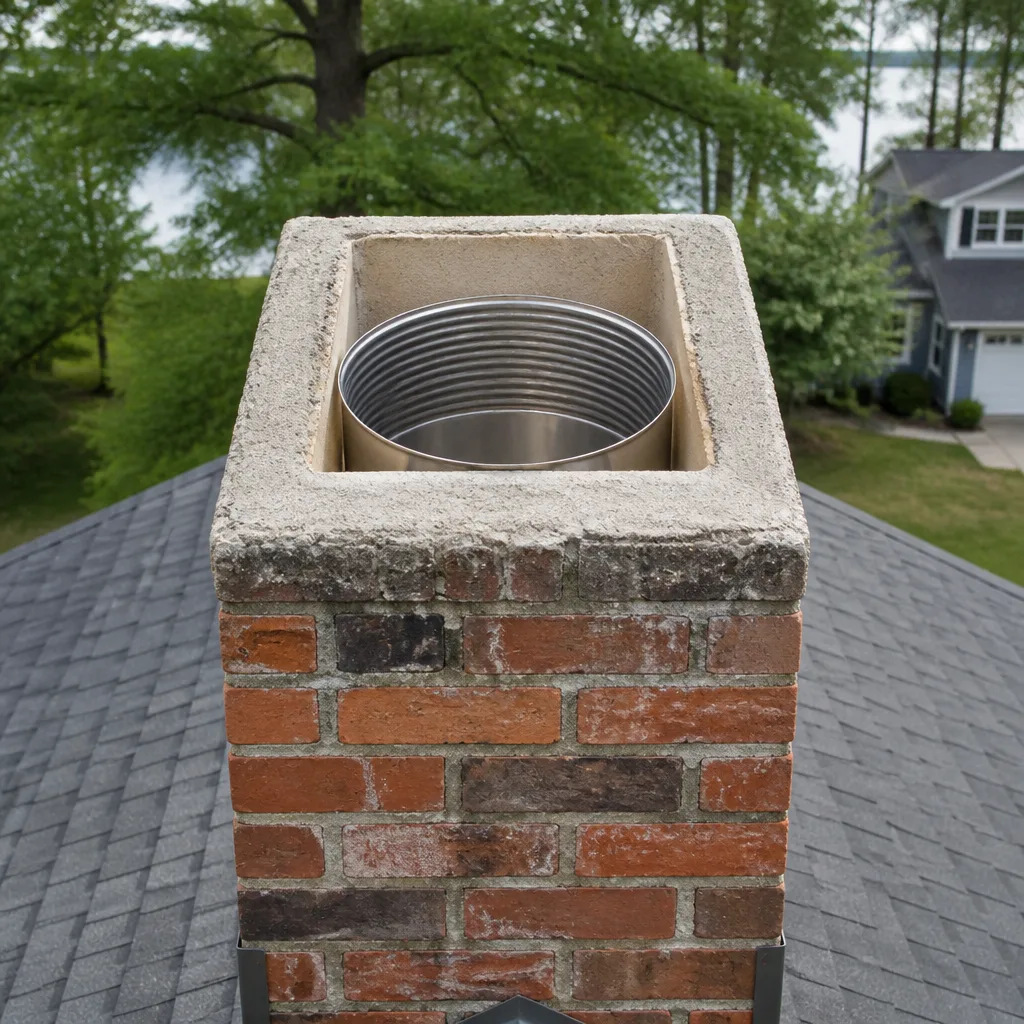 Flue relining
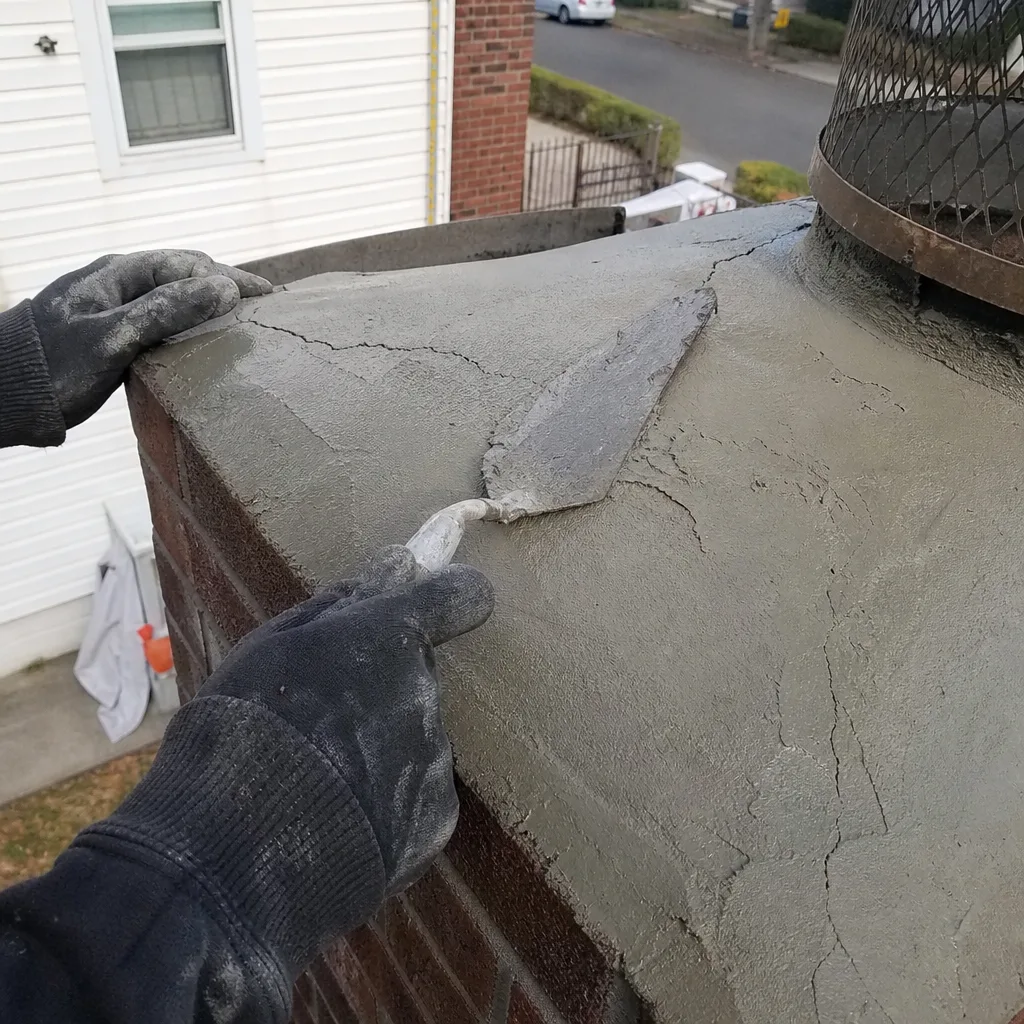
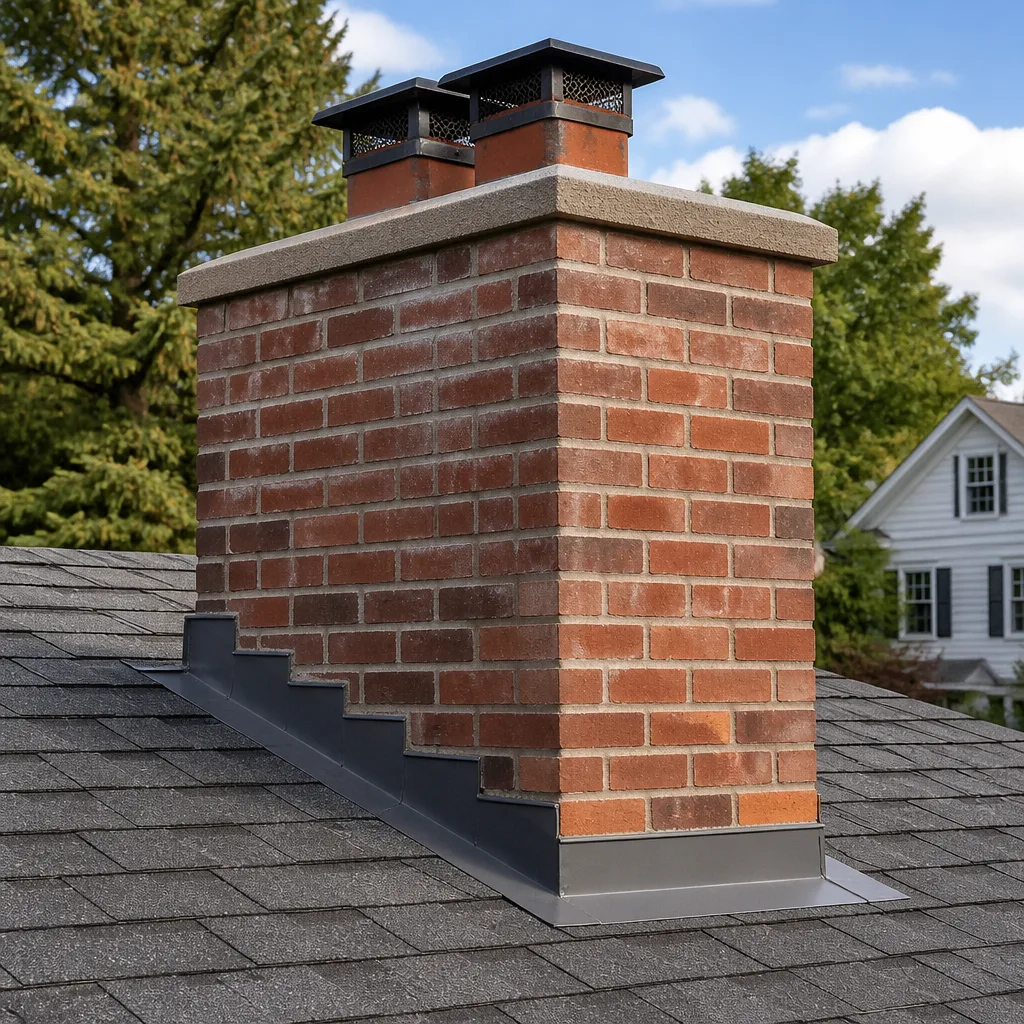 Masonry repair
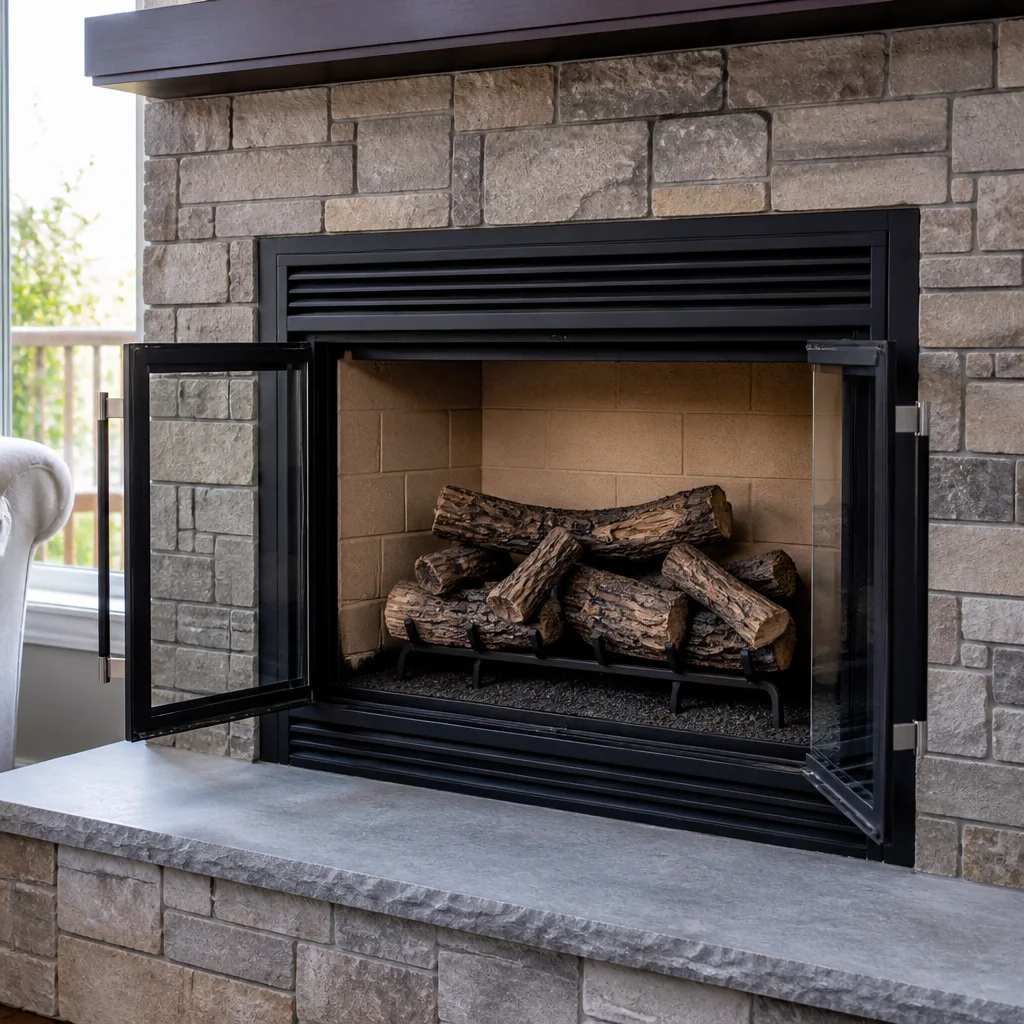 Gas fireplace service
Level 1 sweep and inspection to the NFPA 211 annual standard - flue, crown, cap, and flashing checked and photographed
Chimney sweep logs do not sweep chimneys. They loosen some creosote - which then falls where a brush and vacuum still have to collect it.
DIY vs Professional Chimney Cleaning: The South Ozone Park Homeowner’s Decision Guide
A brush kit from a home improvement store will remove light deposits from an accessible, straight flue. It will not tell you that the tile liner behind the soot has cracked, and that crack is the actual fire hazard. The brush does the visible work; the inspection is the safety check. That distinction matters more in South Ozone Park than most homeowners realize, because the housing stock here – mostly mid-century semi-detached and detached homes packed tight along streets like 135th Avenue and Rockaway Boulevard – hides a lot of chimney problems behind finished walls. This guide draws a precise line: which conditions make DIY sweeping technically reasonable, what a DIY sweep physically cannot assess, and four questions that tell you which side of that line you’re on before you buy a single tool.
Quick Answer
DIY chimney cleaning is only appropriate when all four of these are true: you have a single-story straight flue, a documented history of light deposits, no gas appliance connected to that flue, and you’ve swept the same flue yourself before. Everything else requires a certified technician with a camera, because the real risk isn’t the brushing – it’s the liner fracture, smoke chamber deterioration, or Stage 2 creosote that nobody sees without inspection. In South Ozone Park’s older masonry chimneys, that “everything else” is the common case.
Styles & brands we work with
- Sweep & inspection
- Caps & crowns
- Flue relining
- Masonry repair
- Gas fireplace service
Table of Contents
- When DIY Chimney Sweeping Is Technically Reasonable
- What a DIY Sweep Physically Cannot Assess
- The Equipment a Competent DIY Sweep Actually Requires
- DIY vs Professional: What Each Actually Costs in South Ozone Park
- Legal and Insurance Exposure in South Ozone Park
- The Four-Question Decision Tree
- Common Mistakes to Avoid
- When to Call a Professional
When DIY Chimney Sweeping Is Technically Reasonable
DIY cleaning isn’t reckless across the board. There is a narrow set of conditions where a homeowner with the right tools and some prior experience can reasonably sweep their own flue. The conditions all need to hold at once – not three out of four.
Condition 1: single-story, straight flue. A flue that goes up from the firebox and continues in a straight vertical line to the cap is the only configuration a homeowner brush kit can handle reliably. Any offset, any jog around a second-floor framing member, any 30-degree bend, and the brush can’t follow the turn. In South Ozone Park’s mixed housing stock – where a lot of homes have a story-and-a-half layout with an offset flue – this rules out DIY more often than homeowners expect.
Condition 2: documented light deposit. Light deposit means a thin, flaky layer of soot or first-degree creosote – the kind you can see the brick or tile through. If you last had the chimney inspected and the report showed light soot, and you burn only well-seasoned hardwood or use a gas fireplace, you have a baseline. That baseline is your “documented” piece. Without it, you’re cleaning something you don’t know the condition of.
Condition 3: no gas appliance connected. If a gas furnace, gas boiler, or gas water heater vents into the same flue, the flue isn’t yours to brush. The appliance venting depends on draft balance, and brushing without understanding the connected appliance can disturb that balance. Gas appliance flues are the appliance technician’s territory, not the DIY sweep’s.
Condition 4: prior sweeping experience on the same flue. You’ve done this before, on this chimney, and nothing went wrong. First-time DIY on a flue you haven’t touched is how amateur sweeps get themselves into trouble – the flue brush jams, the rod scratches the tile, or the top of the flue doesn’t come off the way the instructions expected.
If all four conditions hold, you have our professional respect. A homeowner who knows their own system and maintains it is doing exactly what they should be doing. The question is what happens the year those conditions stop being true. That is where a professional chimney sweep comes in and where the next section starts.
What a DIY Sweep Physically Cannot Assess
A brush and a rod will get the soot out. They will not tell you five things that matter more than the soot does. This is the core of the argument, and it’s where the DIY-vs-professional distinction actually lives.
1. Liner fractures
Clay tile flue liners crack from thermal cycling – the freeze-thaw cycle through a South Ozone Park winter widens any hairline crack the summer heat opened. A crack in a tile liner lets hot gases and sparks reach the wood framing behind the chimney chase. You cannot see the fracture from inside the firebox with a flashlight. You cannot feel it with a brush. It shows up on a video camera run down the flue, and often not even then unless the camera is on a flexible rod that follows any offset. A professional inspection catches what a brush can’t reach. Where relining is needed, a DuraFlex liner system installs inside the existing flue without demolishing the chimney – one of the reasons we work with DuraFlex specifically.
2. Smoke chamber corbeling deterioration
The smoke chamber is the sloping transition between the firebox and the flue. In a lot of South Ozone Park masonry fireplaces, its walls are corbelled brick done in the 1940s and 1950s, with mortar joints that have loosened over decades. When corbeled brick spalls, sharp edges face the flue – and those edges collect creosote and restrict draft. Brush work makes this worse: pushing a stiff brush through a deteriorating smoke chamber can knock loose brick loose. HeatShield ceramic resurfacing is the repair path we use here most often – it rebuilds a smooth smoke chamber wall without demolishing the surrounding masonry, which is one of the reasons we can often repair a liner rather than replace it.
3. Flashing separation
Flashing is the metal seal where the chimney meets the roof. It moves with each seasonal cycle, and on an older South Ozone Park roof, a lifted or separated flashing edge is a direct water path into the chimney chase and the ceiling below. Brushing doesn’t show you the flashing. Only the top-down inspection, roof-level, does.
4. Stage 2 creosote
There are three degrees of creosote. First degree is flaky soot a brush handles. Second degree is a crusty layer a brush can chip but not fully clear. Third degree is glazed, tar-like deposits that a brush skates over without touching. Stage 2 and Stage 3 both need chemical treatment before brushing, and Stage 3 in its glazed form typically needs a chemical log treatment (or equivalent professional-grade chemical approach) to break it down before a sweep will actually remove it. If your flue has glazed tar and you push a brush past it, you dislodge the top layer and leave the rest. A professional sweep uses the pre-treatment step to convert glazed creosote into something brushable. That step is what most DIY homeowners miss entirely.
5. Draft and pressure performance
A chimney is a working pressure system – air in at the firebox, gases out at the cap. A short flue, an oversized flue, an off-spec cap, or a negative-pressure house with a kitchen exhaust running will all pull smoke back into the house. That backdrafting doesn’t show up as soot. It shows up as a smell, a haze, or a CO risk. A professional inspection reads the draft with a manometer and cross-checks against the cap and the appliance. A brush has no instrument for it.
The Equipment a Competent DIY Sweep Actually Requires
If your situation clears all four conditions above, the tools matter more than the effort. This section is deliberately scoped to that narrow DIY case – a straight, single-story flue with light deposit. If your flue isn’t that, don’t buy the equipment.
The two common kit types are the flat brush on a flexible rod and the rotary system. They do different things:
- Flat brush on flexible rods – sized to the flue’s interior dimension. A flat polypropylene brush pushed up a straight flue clears loose soot well. It is the tool most homeowner kits are. It works only if the flue is straight and the flue dimension is known.
- Rotary system (SootEater-style) – a spinning brush head on a flexible rod driven by a drill. It handles slightly harder deposits than a flat brush and follows a slight offset better. It also is more aggressive, which cuts both ways: it cleans more and it damages fragile clay tile more if the flue is already compromised.
Why brush sizing by flue dimension matters
This is the single most common DIY mistake we see in South Ozone Park, and it’s the one that does actual damage. A flue brush should be sized to the interior of the flue – not the interior of the firebox, not the nominal dimension you measured at the top. An oversized brush scrapes the clay tile liner on every stroke; do that a dozen times up and down and you widen the hairlines that were already there. An undersized brush doesn’t touch the corners of the flue, and the corners are where creosote accumulates first. Either mistake costs more than the sweep. A flat brush sized to a round flue or a round brush sized to a square one is worse than not sweeping at all – it leaves the accumulation in the exact place a fire starts. If you don’t know the flue’s interior dimension, you don’t know what brush to buy. Measure twice; go up a size only after confirming.
What you still need beyond the brush
A drop cloth that actually covers the firebox opening, a shop vacuum rated for fine ash, a bright LED headlamp, and a dust-rated mask. That’s the minimum. Add a top-side brush or a weighted pull if you’re going from the roof, and a proper ladder stabilizer if you’re on a pitched roof. No ladder on a wet or pitched South Ozone Park roof is worth the fall. That part of the DIY job is where a lot of homeowners discover the real cost is the ladder and the time, not the brush.
DIY vs Professional: What Each Actually Costs in South Ozone Park
Homeowners ask for pricing so they can decide. The honest comparison is that a DIY sweep looks cheaper on the receipt and often isn’t cheaper once you add tools, protective gear, and the inspection you don’t get.
| Item | Typical Cost in South Ozone Park | Notes |
|---|---|---|
| Professional chimney sweep (per flue) | $180 – $320 | Includes a camera inspection and a written report |
| Chimney inspection only (Level 2) | $150 – $300 | Camera run, video report |
| Cap and crown install | $300 – $900 | Depends on size and mason scope; we use Gelco and Famco |
| DIY brush kit (flat brush, rods, drop cloth, mask) | $60 – $140 | One flue, one size, one straight run |
| Rotary system (drill-driven) | $170 – $350 | More aggressive; only appropriate on an intact flue |
| Repair caused by an improperly sized brush (tile damage) | $400 – $1,200 and up | The cost most DIY homeowners don’t price in |
Read those numbers as estimates, not quotes. Every chimney is different, and the written estimate is what actually sets the price. What they show is the arithmetic a lot of homeowners do in reverse: the DIY kit looks like a savings until it scuffs a tile liner, and the liner repair costs more than five professional sweeps would have. In our experience, the homeowners who call back after a DIY sweep have usually discovered exactly this – that the savings were on paper, and the inspection they skipped is what actually matters. For comparison on professional pricing and what’s included, our Chimney Sweep South Ozone Park hub page covers the flat-price structure.
Legal and Insurance Exposure in South Ozone Park
Here’s the angle most DIY guides skip: what happens to a homeowners insurance claim if your chimney catches fire and there’s no professional inspection record on file. Insurance carriers in New York don’t require you to hire a sweep every year – but many will scrutinize a chimney fire claim with an eye on maintenance records. If a fire occurs and the only record of chimney work is a brush you bought at a hardware store, the carrier has a factual gap to argue against you. It’s not that the claim gets denied automatically; it’s that the adjuster’s job gets a lot easier when the homeowner has no documentation.
A professional sweep produces something a homeowner cannot produce for themselves: a dated, signed inspection report with camera footage. That record establishes that a trained technician looked at the flue and found what was there at that point in time. If a problem was missed, the record shows what was found and what was recommended. That’s what an adjuster reads. In South Ozone Park – where a lot of homes have original clay tile liners that are already past their design life – that piece of paper is worth more than the sweep itself.
There’s also a code angle worth naming generally: chimney lining, clearances to combustibles, and cap requirements are covered by building codes, and most municipalities require a permit for structural chimney work. South Ozone Park is no different. If you’re ever facing a question about whether a repair was done to code, the difference between “a licensed pro did it and documented it” and “I did it” is the difference between a stack of paperwork and a stack of questions. The local pro we connect you with is licensed and insured as required, and the inspection record they leave is the one that follows the house.
The Four-Question Decision Tree
This is the fastest way to know which side of the line you’re on. Answer all four honestly before you buy a single tool. If all four are yes, DIY sweeping is reasonable for your situation. If any one is no, a professional sweep is the right call.
Question 1: Is the flue straight and single-story?
Stand at the firebox, look up with a flashlight, and see whether the flue goes straight up to the cap without an offset. If you see a jog, a bend, or any framing member cutting into the path, the answer is no. If you can’t tell, the answer is no. A 30-degree offset is enough to defeat a homeowner brush kit and to require a professional rod with a flexible head.
Question 2: Do you have a professional inspection from the last 12 months?
A documented report – a written inspection with camera evidence – from within the past year is what “yes” looks like. If your last inspection was three years ago, or if you’ve never had one, the answer is no, because you don’t know what you’re sweeping. You’d be cleaning a system with an unknown baseline.
Question 3: Is any gas appliance vented into the flue?
Check the basement and the utility closet. If a gas-fired furnace, boiler, or water heater vents into the same flue, the answer is no. Draft balance on a shared flue is the appliance technician’s territory and you don’t want to disturb it.
Question 4: Have you swept this exact flue before?
Not “a” chimney – this one. If you’ve done it once and know what the flue looks like, what it smells like, and what the cap needs, the answer can be yes. If this is your first time on this flue, the answer is no. First-time sweeps on unfamiliar chimneys are where amateur jobs go wrong, and where the damage happens.
If any answer is no, the right move is a professional sweep and inspection – a Level 2 inspection with camera evidence. If all four are yes, sweep it, but budget an inspection every second or third year regardless, because the things a brush won’t find are the things that matter. Our team has seen this pattern in South Ozone Park often enough that we now recommend inspection-first for every flue we touch, whether the homeowner swept it or we did.
Common Mistakes to Avoid
- Buying a brush without measuring the flue first. An oversized brush gouges the clay tile; an undersized brush misses the corners where creosote builds. Measure the flue’s interior dimension – not the firebox – before you buy. This mistake alone accounts for most of the repair calls we get after a DIY sweep.
- Pushing past glazed creosote without treating it first. Stage 3 glazed tar is not a brush problem, it’s a chemical problem. Pushing a brush through it dislodges the top crust and leaves the glazed layer intact underneath, which is the layer that fuels a chimney fire.
- Skipping the top of the chimney. The cap and crown are the weather side. A sweep that stops at the firebox and never looks at the cap misses a cracked crown or a separated flashing, which in a South Ozone Park winter is the difference between a dry flue and a water-damaged chase.
- Sweeping a flue that shares a gas appliance vent. Draft balance on a shared flue is a pressure problem, not a cleaning problem. Brushing without understanding the appliance can pull the draft out of balance and make a carbon monoxide concern worse, not better. If there’s a gas appliance on that flue, leave the cleaning to the professional who handles the appliance side.
- Doing a DIY sweep and skipping the inspection. The cleaning removes what you can see. The inspection finds what you can’t. In South Ozone Park’s older masonry, the inspection is the safety check and the sweep is the maintenance – they aren’t the same job.
- Climbing a wet or pitched roof without a stabilizer. This is the one that sends homeowners to the emergency room. Chimney work from the roof requires a properly anchored ladder and a second set of hands on pitch. If the roof is wet or steep, don’t.
- Treating a brush kit as a substitute for a camera. The brush does visible work. Only a camera sees a liner fracture 8 feet up. If the guide you’re reading promises a brush kit “replaces a sweep,” that guide hasn’t seen many flues.
When to Call a Professional
Call a professional when any of the following is true: you’ve never had an inspection, the flue has an offset or a bend, a gas appliance vents into the flue, you’re seeing glazed Stage 3 creosote, you smell smoke in the house when the fireplace runs, you’ve had a chimney fire, the cap or crown is cracked, you’re seeing water staining on the ceiling near the chimney, or it’s been more than one burning season since the last sweep. In a South Ozone Park winter, a flue that hasn’t been cleaned through the fall lets soot and creosote build up exactly where the next fire will light it. If any of the four decision-tree questions came back “no,” that’s a call. Chimney Sweep South Ozone Park offers free estimates in South Ozone Park – call (877) 492-4232. We answer 24/7. Fast dispatch from 7am to 7pm, Sunday through Friday.
A professional sweep is also where the other parts of the system get caught. Our service covers chimney cap & crown, chimney repair, and fireplace work under one roof, so an inspection that flags a flashing issue, a crown crack, and a liner problem doesn’t route you to three different contractors. That’s the practical value of a specialist: the diagnosis and the repair happen with the same team, and the materials are named – DuraFlex for liners, HeatShield for ceramic resurfacing, Gelco and Famco for cap and crown components, Olympia Chimney and Copperfield for the rest of the system.
See the difference
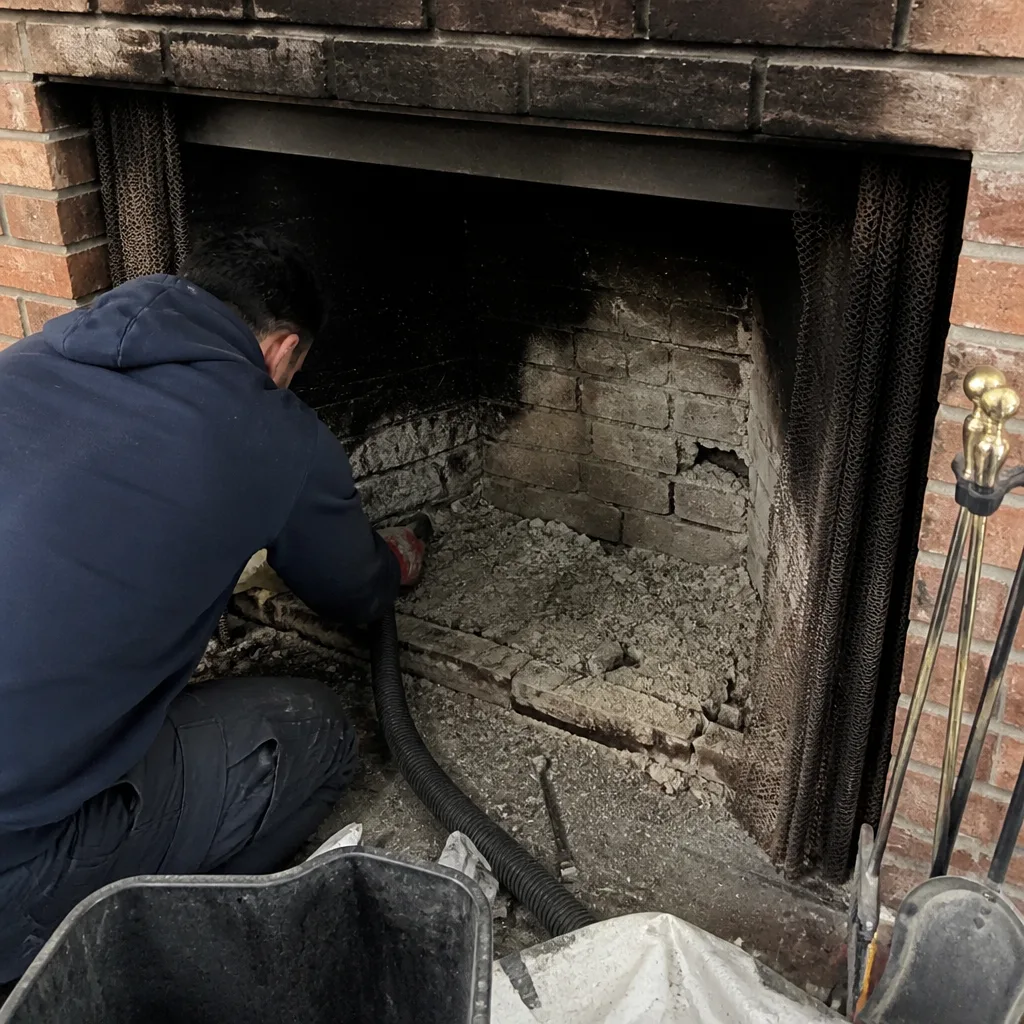 Before
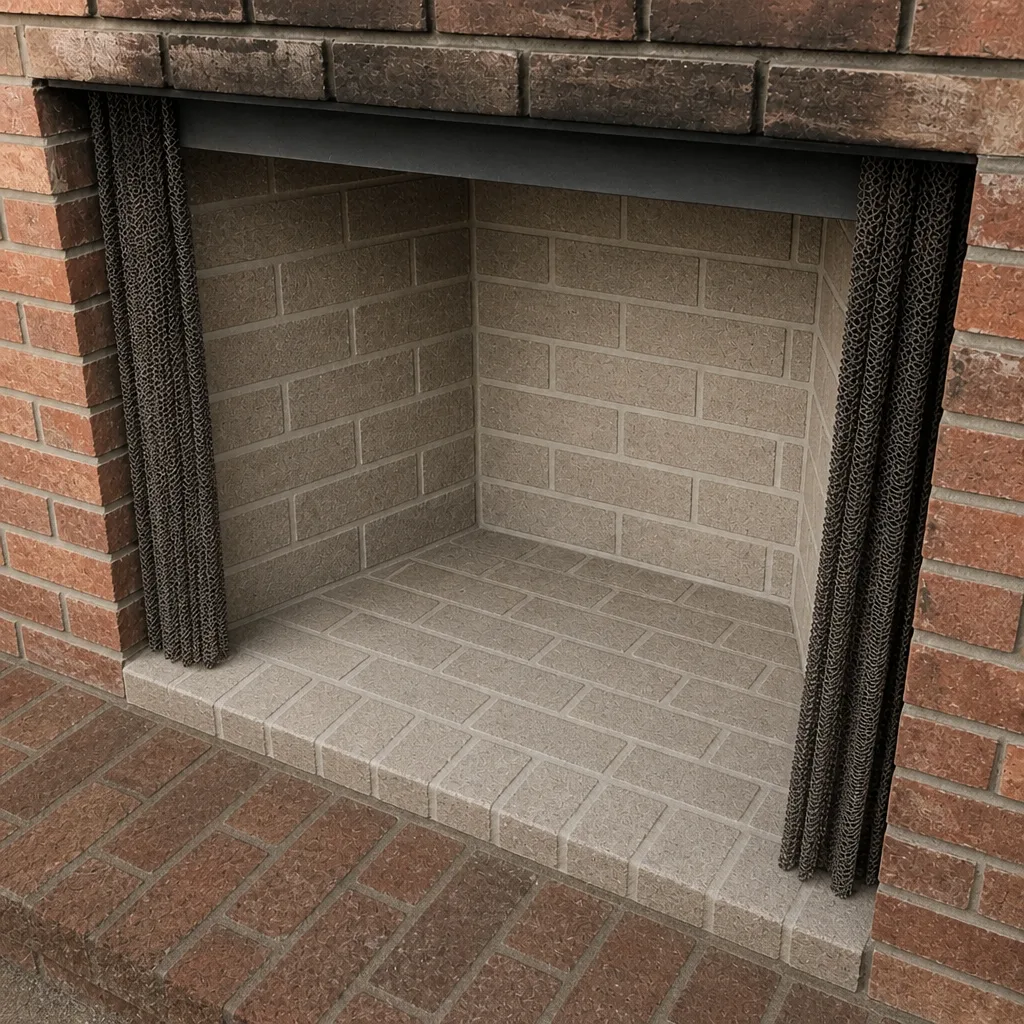 After
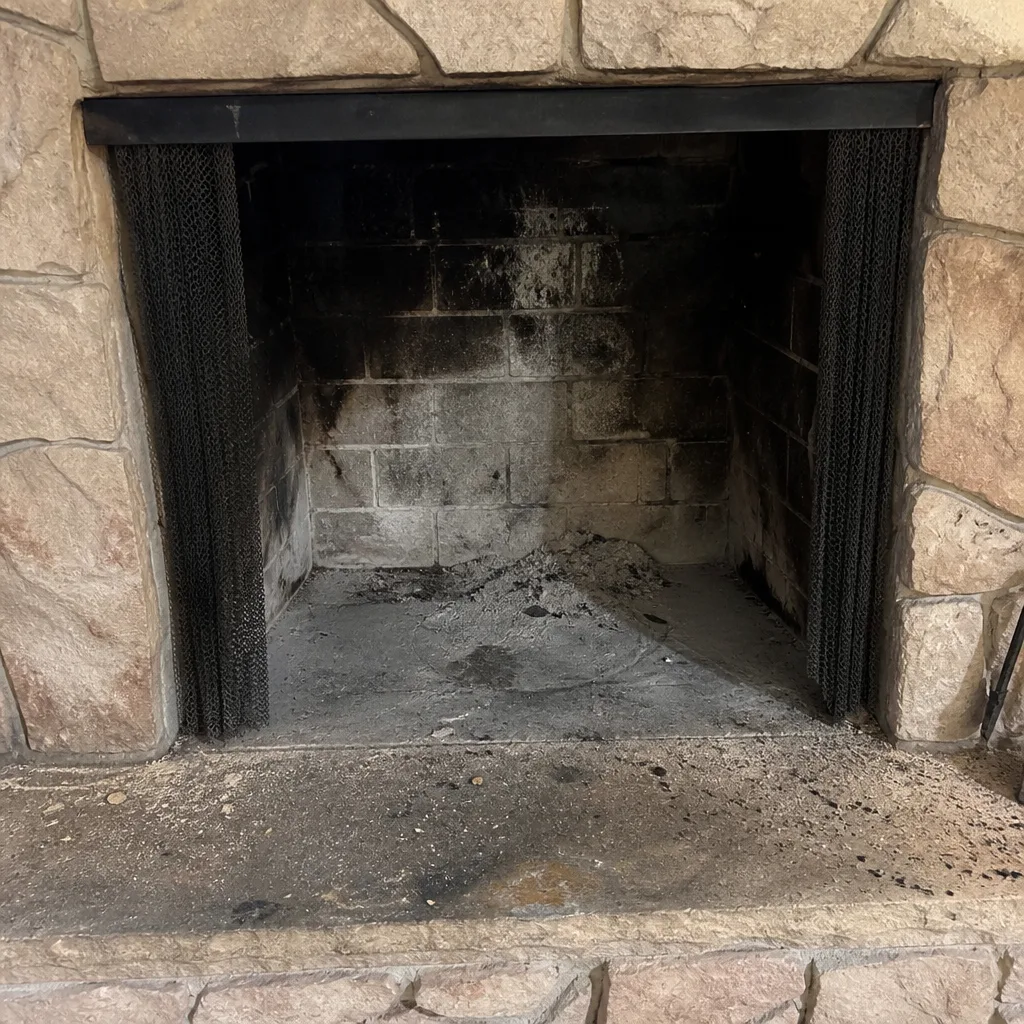 Before
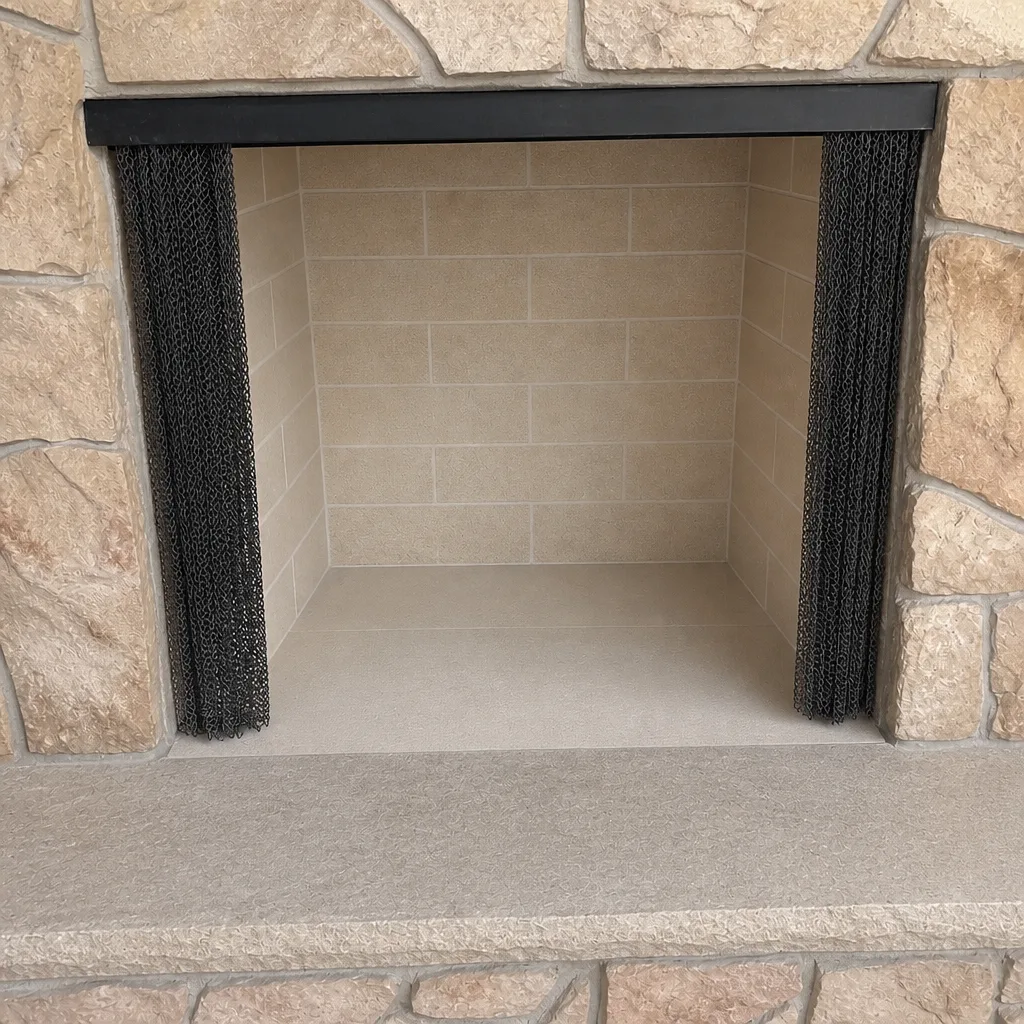 After
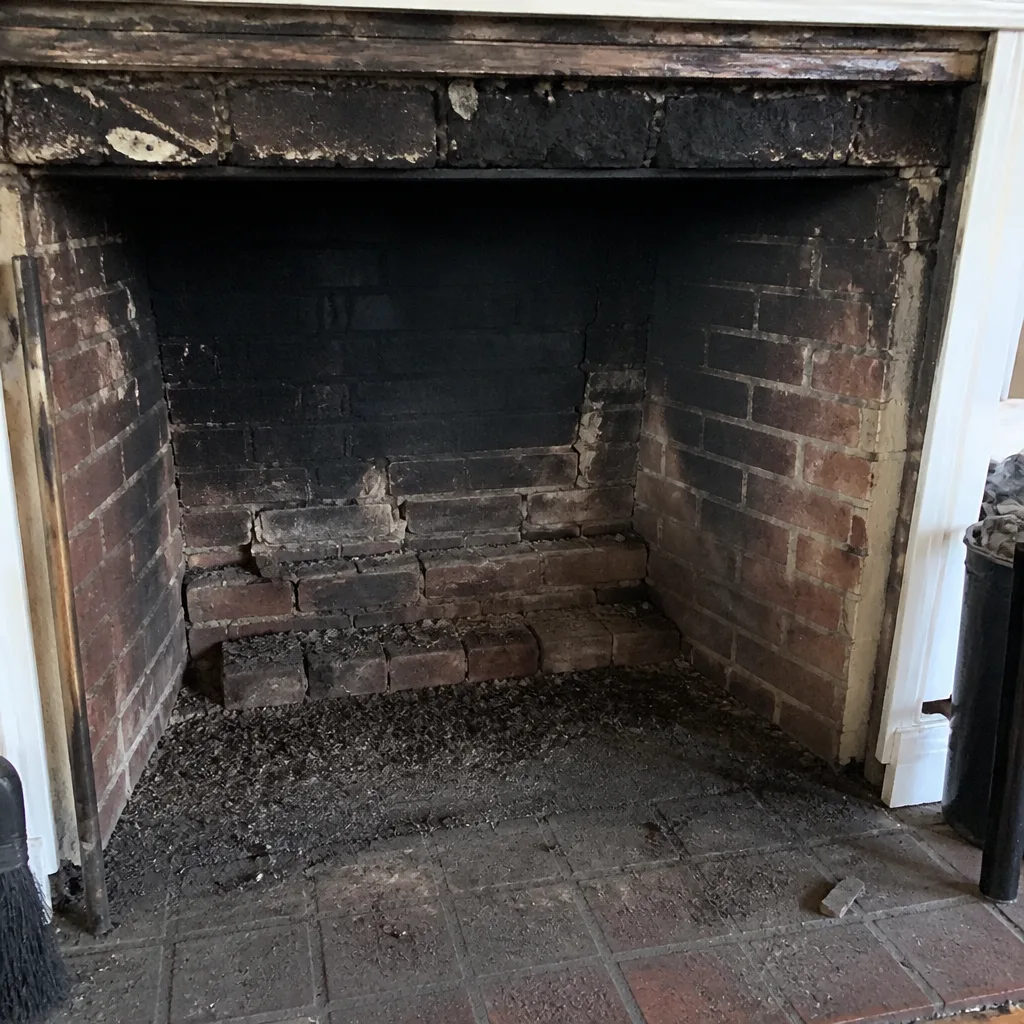 Before
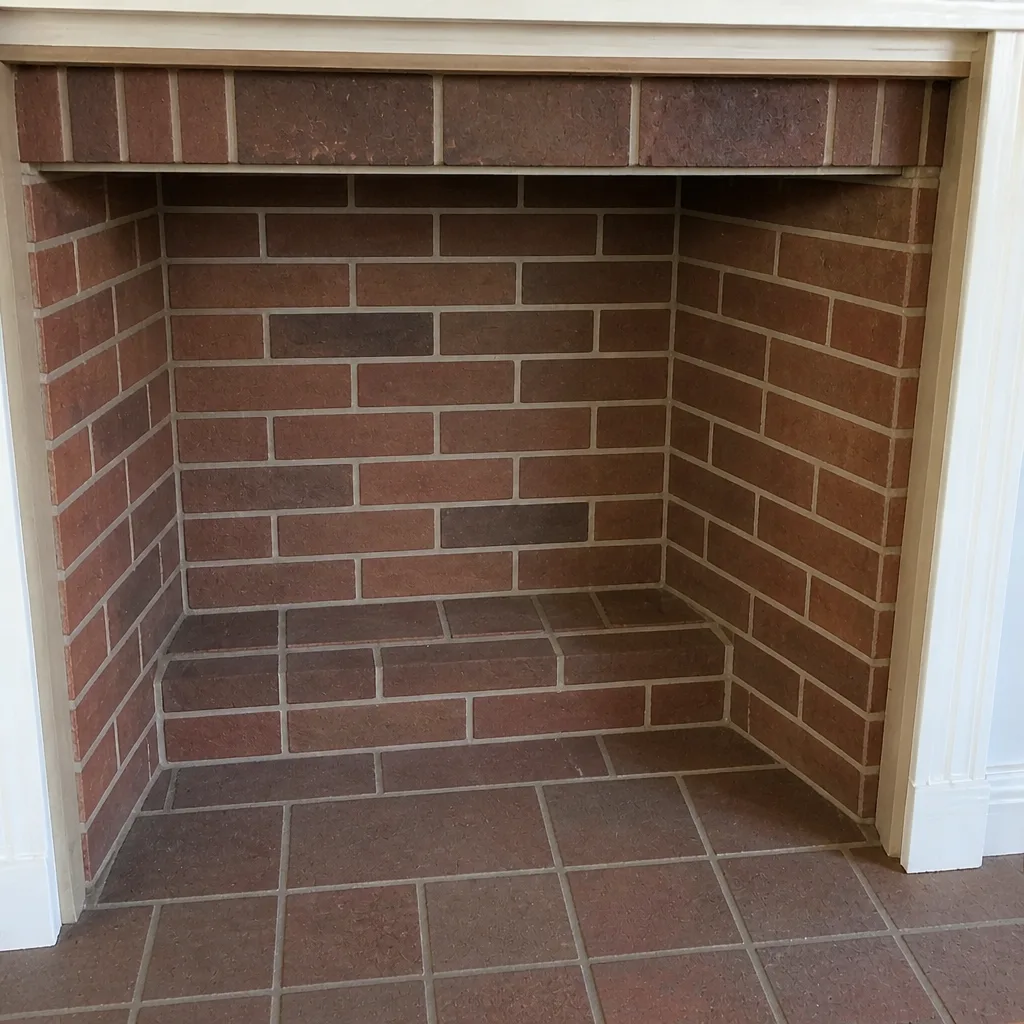 After
Frequently Asked Questions
It’s safe only if your flue is single-story and straight, has a documented light deposit, has no gas appliance vented into it, and you’ve swept that same flue before. If all four are true, a properly sized brush on a straight flue is a low-risk cleaning job. If any one is not true, it’s a professional job because the risk isn’t the brushing – it’s what the brushing can’t see. A cracked tile liner is the fire hazard, and a brush has no way to find it.
Yes, and this is the main reason we don’t recommend DIY as a substitute for inspection. A brush removes soot. It cannot see a liner fracture, a spalled smoke chamber, a separated flashing, or glazed Stage 3 creosote that needs chemical pre-treatment. Those four are the actual fire and CO hazards. A homeowner can sweep a flue clean and still have a chimney that isn’t safe to burn in. That’s the gap the inspection closes.
The general benchmark is once per year of active burning, and more often if you burn green or unseasoned wood. In South Ozone Park’s climate – a real winter, a real heating season, and a lot of older masonry chimneys – an annual sweep plus an annual inspection is the sensible rhythm. If your flue has a history of heavy creosote, or if you’ve had it relined with a DuraFlex system recently, sweep at the basic schedule and inspect at the basic schedule, but don’t skip a year because the flue is new.
A professional sweep includes a camera inspection and a written report – that’s the piece a DIY sweep cannot reproduce. The report documents the liner, the smoke chamber, the flashing, the cap and crown, and the draft reading. Our technicians have up to 8 years of experience running that camera and reading what it finds, which is what turns a cleaning into a diagnosis. If a repair is recommended, it comes from camera evidence you can see, not from a sales conversation. And when the flue is fine, you’ll hear that too – many chamneys can safely wait for the next season.
It can, if there’s a fire and no professional inspection record on file. Insurance carriers in New York don’t demand an annual sweep, but a claim adjuster will look at maintenance records when a chimney fire is on the table. A dated, signed inspection report is the record that backs your claim. A hardware store receipt for a brush doesn’t carry the same weight. This is a documentation argument, not a denial guarantee – but it’s a strong reason to have a paper trail either way.
A professional sweep in South Ozone Park typically runs $180 – $320 per flue, with an inspection-only visit in the $150 – $300 range. A DIY brush kit is $60 – $140, plus the tools and the ladder. The written estimate sets the final price, and ours is free – call (877) 492-4232 for an exact quote. We answer 24/7. Fast dispatch from 7am to 7pm, Sunday through Friday.
The Bottom Line
DIY chimney cleaning isn’t inherently dangerous – it’s just appropriate for a narrower set of conditions than most South Ozone Park homeowners actually meet. The brush handles soot; the inspection is the safety check, and those are different jobs. If you clear all four decision-tree questions – straight single-story flue, documented light deposit, no gas appliance, prior sweeping experience – a properly sized kit is a reasonable way to maintain your own chimney. If any one fails, a professional sweep with a camera and a written report is the right call, because the things a brush can’t see are the things that start the fire. Either way, the cost of a professional sweep is small compared to the cost of a missed liner fracture. The estimate is free, the price is set by the written estimate, and the inspection record is the one that protects your home.
For South Ozone Park homeowners who want a diagnosis first and a recommendation second, call (877) 492-4232. We answer 24/7. Fast dispatch from 7am to 7pm, Sunday through Friday. Every job starts with an inspection, and nothing is recommended without camera evidence you can see for yourself.
Written by the team at Chimney Sweep South Ozone Park.