
Last updated November 25, 2026
 Sweep & inspection
 Caps & crowns
 Flue relining
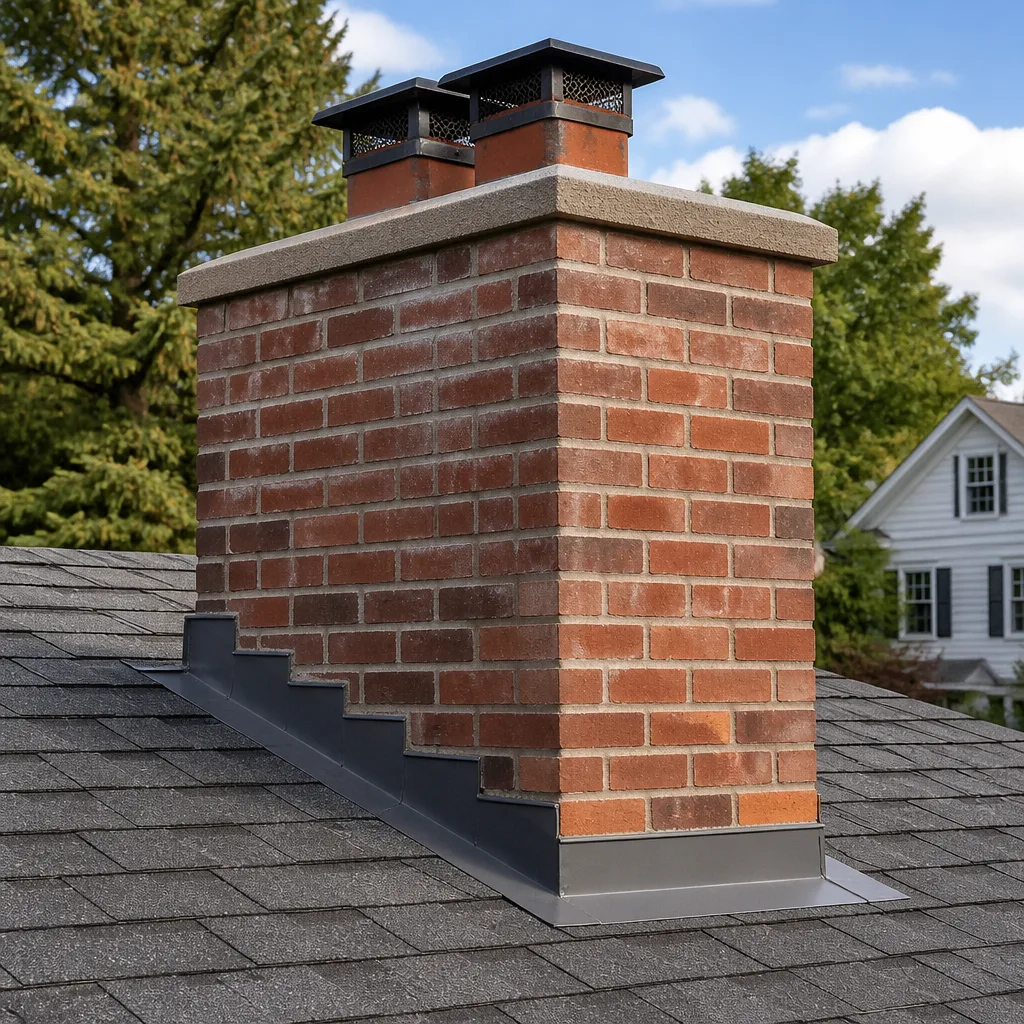 Masonry repair
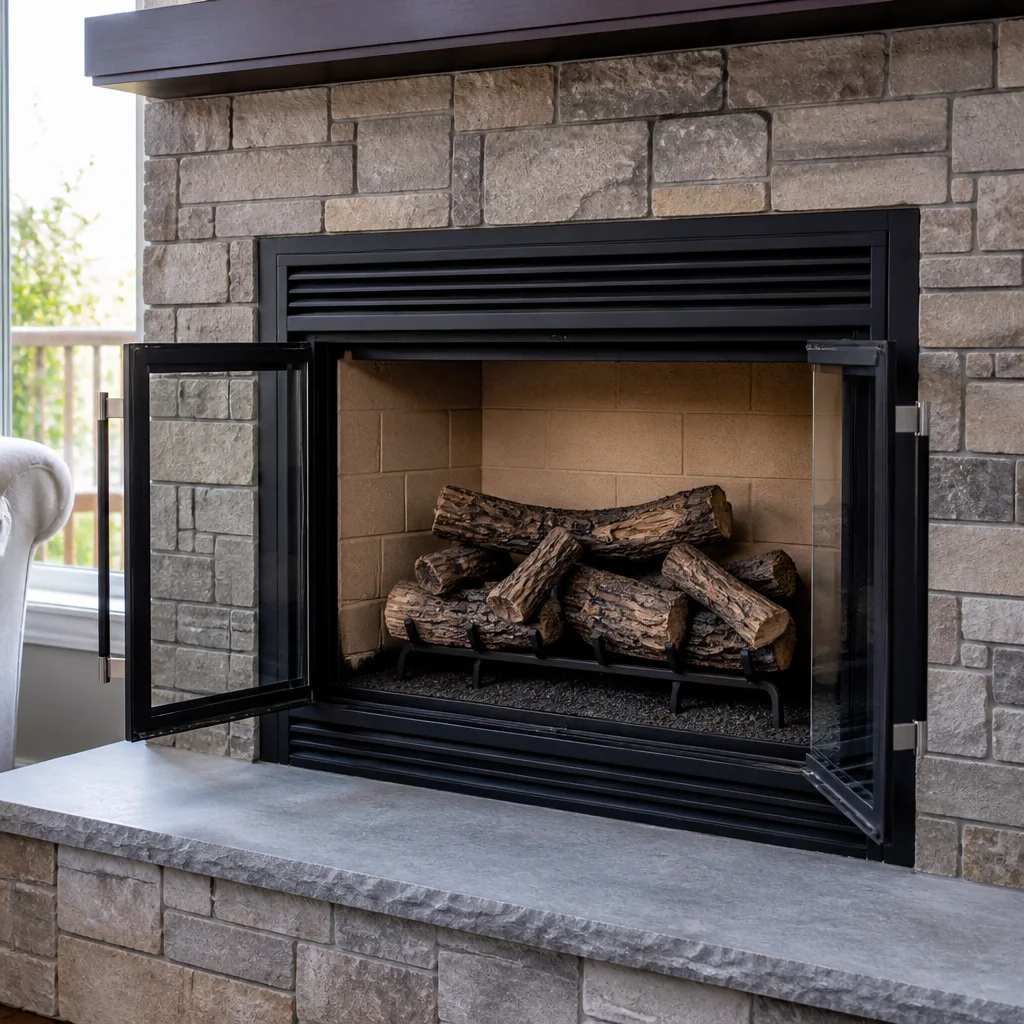 Gas fireplace service
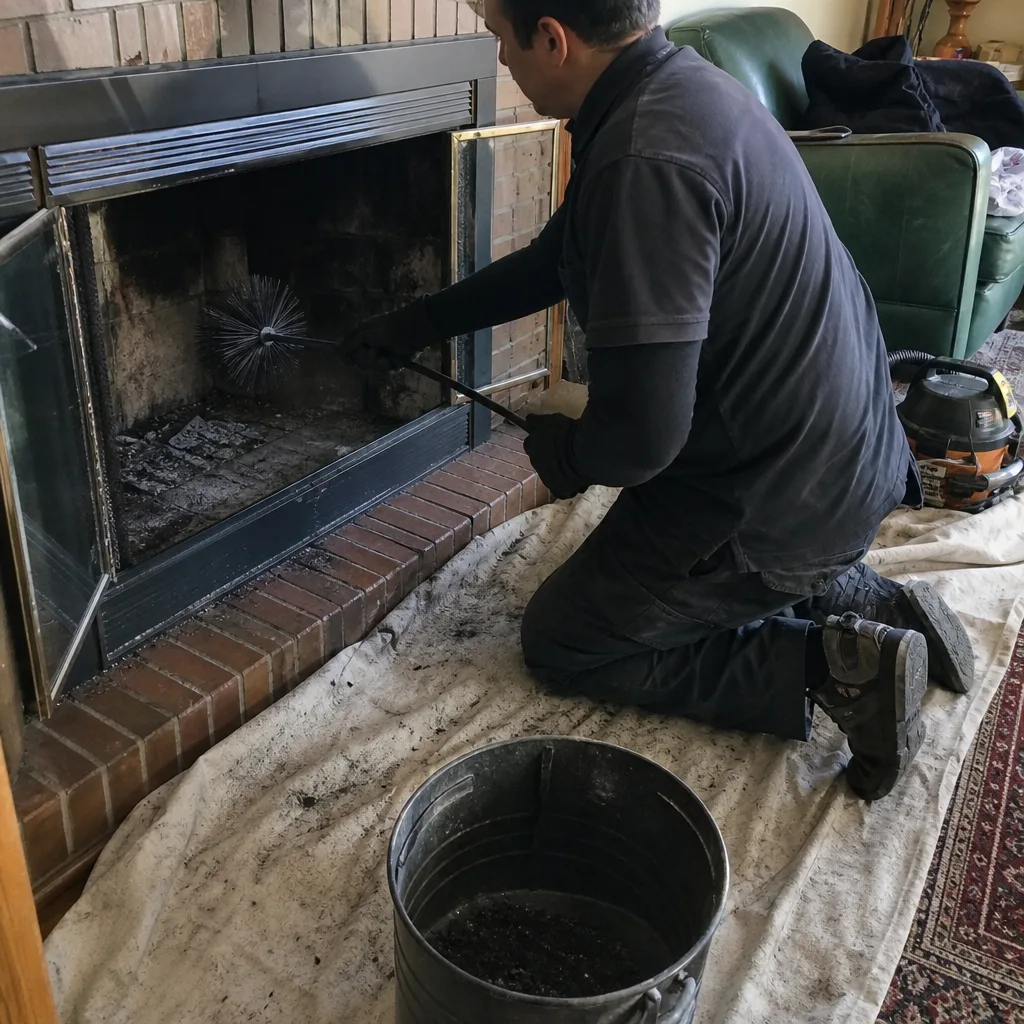
Level 1 sweep and inspection to the NFPA 211 annual standard - flue, crown, cap, and flashing checked and photographed
Chimney sweep logs do not sweep chimneys. They loosen some creosote - which then falls where a brush and vacuum still have to collect it.
Seasonal Chimney Cleaning Care for South Ozone Park: Year-Round Homeowner’s Guide
The worst time to discover your chimney crown has cracked is the first cold snap in November. But the crack usually opened in February, during a freeze-thaw cycle, and a ten-minute walk around the outside of the house in April would have caught it while the fix was still small. That’s the part most homeowners get backwards: chimney care is treated as a fall chore when it’s actually a year-round job, and in South Ozone Park the climate keeps working on your masonry whether the fireplace is lit or not. This guide breaks the year into four seasons, explains what the weather here does to brick, mortar, flashing and liners, and tells you what to check and when to schedule the work.
Quick Answer
Chimney care in South Ozone Park runs on a four-season cycle: inspect for freeze-thaw damage in spring, schedule your sweep and any liner work in summer when the calendar is open, do the pre-season sweep and safety check in fall before the first fire, and watch for mid-winter warning signs like white staining or smoke rollout. One professional sweep and inspection per year of active burning, plus a spring look at the exterior, covers most homes.
Styles & brands we work with
- Sweep & inspection
- Caps & crowns
- Flue relining
- Masonry repair
- Gas fireplace service
Table of Contents
- Why the South Ozone Park Climate Doesn’t Pause Chimney Deterioration
- Spring: What Freeze-Thaw Season Leaves Behind
- Summer: The Best Time to Schedule Inspection and Liner Work
- Fall: The Pre-Season Sweep Checklist
- Winter: Reading the Warning Signs Mid-Season
- JFK Flight Paths, Jamaica Bay, and Soot
- How Often Should a South Ozone Park Chimney Be Swept?
- Common Mistakes to Avoid
- When to Call a Professional
- Frequently Asked Questions
- The Bottom Line
Why the South Ozone Park Climate Doesn’t Pause Chimney Deterioration
A chimney is a masonry structure sitting above the roofline, fully exposed to whatever the weather does, and in this part of Queens the weather does a lot. South Ozone Park gets humid summers that push moisture into brick and mortar, then winters that freeze that moisture and expand it. Water absorbed in July doesn’t sit harmlessly until fall. It freezes in January, pushes the masonry apart a fraction of a millimeter at a time, thaws, and does it again three weeks later. That cycle is the single biggest cause of chimney deterioration in this neighborhood, and it operates completely independently of whether you burn wood.
The other piece is the age and style of housing stock around here. Much of South Ozone Park is built from brick, with chimneys designed for wood or coal and later adapted to gas, oil, or a mix. Those older stacks were built for one fuel and often carry evidence of several. Brick faces that have gone soft and flaky, mortar joints that have receded a quarter inch, flashing that has pulled away from the roof: these are cumulative problems that get worse in every season, not just the cold ones.
What that means practically is that chimney maintenance divides into two tracks. The interior track, the flue and the firebox, is driven by how much you burn. The exterior track, the crown, brick, mortar, flashing and cap, is driven by the weather and runs all year. A homeowner who only thinks about the chimney in October is managing the first track and ignoring the second, which is the one that quietly turns a repointing job into a rebuild.
Spring: What Freeze-Thaw Season Leaves Behind
Spring is when the damage from winter becomes visible, and it’s the cheapest moment of the year to deal with it. A short walk around the outside of the house with binoculars, or a closer look from the roof if you can get there safely, will tell you most of what you need to know. Three things are worth checking closely.
Spalling brick faces
Spalling is brick that has lost its outer face. You’ll see it as flaking, crumbling, or a layer of brick lying on the roof or ground below the chimney. It happens when brick absorbs water, the water freezes and expands, and the face pops off. Once a brick has spalled, that brick will never hold again, but the surrounding masonry can often be protected with a breathable water repellent sealer. ChimneySaver is the product we reach for in that role because it lets vapor escape while blocking liquid water, which matters: a sealer that traps moisture inside will accelerate the damage it was meant to stop.
Lifted or pulled flashing
Flashing is the metal, usually aluminum or copper, that seals the joint between the chimney and the roof. Freeze-thaw cycles and years of thermal movement work the fasteners loose and pull the metal away from the masonry. A visible gap, or flashing that has lifted at the edge, is a direct path for water into the roof deck and the ceiling below. This is a spring repair because the leak is happening right now, not because the leak is dramatic. Small roof leaks are patient.
Crown fissures
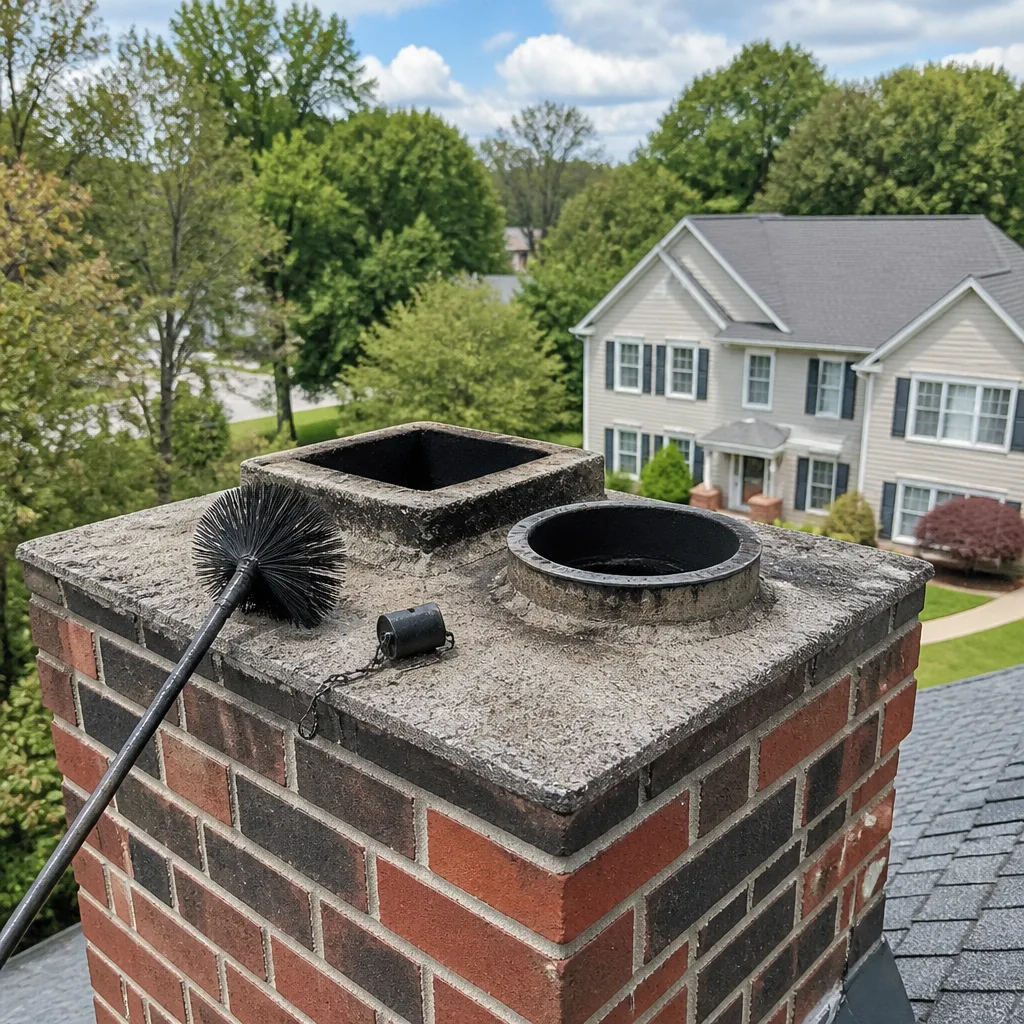
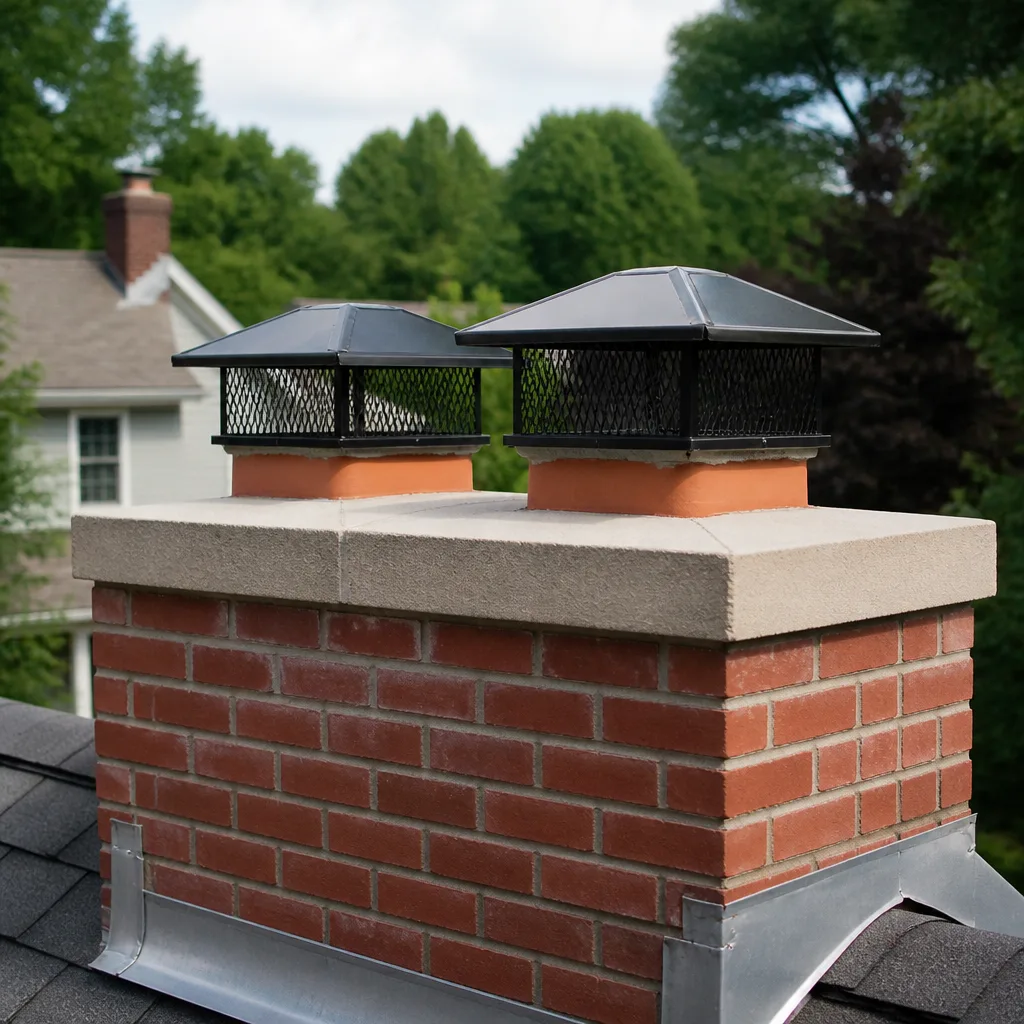
The crown is the concrete cap across the top of the chimney, and it’s the part that takes the most weather. Hairline cracks are normal. Cracks you can fit a putty knife into are not, because water enters there, freezes, and widens the crack every winter. A crown that is intact but cracked can often be resealed with CrownCoat or a similar flexible coating. A crown that is crumbling, separating from the flue, or sloping toward the house rather than away from it needs rebuilding. Gelco and Famco crown components are what we install when it comes to that, because a purpose-built crown form and a properly mixed concrete crown outlast a retrofit every time.
A spring walkround, then, is about catching three things while they’re small: spalled brick that calls for a sealer, lifted flashing that calls for a reseal, and crown fissures that call for a coating or a rebuild. If you’d rather have someone look properly, book a chimney repair inspection in spring rather than waiting for fall.
Summer: The Best Time to Schedule Inspection and Liner Work
Summer is the best window of the year for anything that involves the inside of your chimney, and that’s true for two reasons: the work itself goes more smoothly when you’re not depending on the fireplace, and the schedule is genuinely more open in June than it is in October. In a neighborhood of South Ozone Park’s size, the first cold snap compresses every chimney appointment into a few weeks, and homeowners who call in late September are competing for the same slots. Calling in June is not just easier; it gives you time to think through any recommendation before the burning season starts.
Summer is also the right season for a Level 2 inspection, which is the inspection that goes beyond what you can see through the firebox. It uses a camera run through the flue to look at the liner’s full length, and if it’s done properly you should see the footage.
- The sweep comes first. You can’t inspect a flue you can’t see down, and soot and creosote hide the liner’s condition. Every job starts with a thorough sweep, then moves to diagnosis.
- Then the camera inspection. This is where we learn whether the liner is sound, whether there are gaps at joints, whether the smoke chamber has been properly parged, and whether any of it is causing the symptoms you’ve noticed.
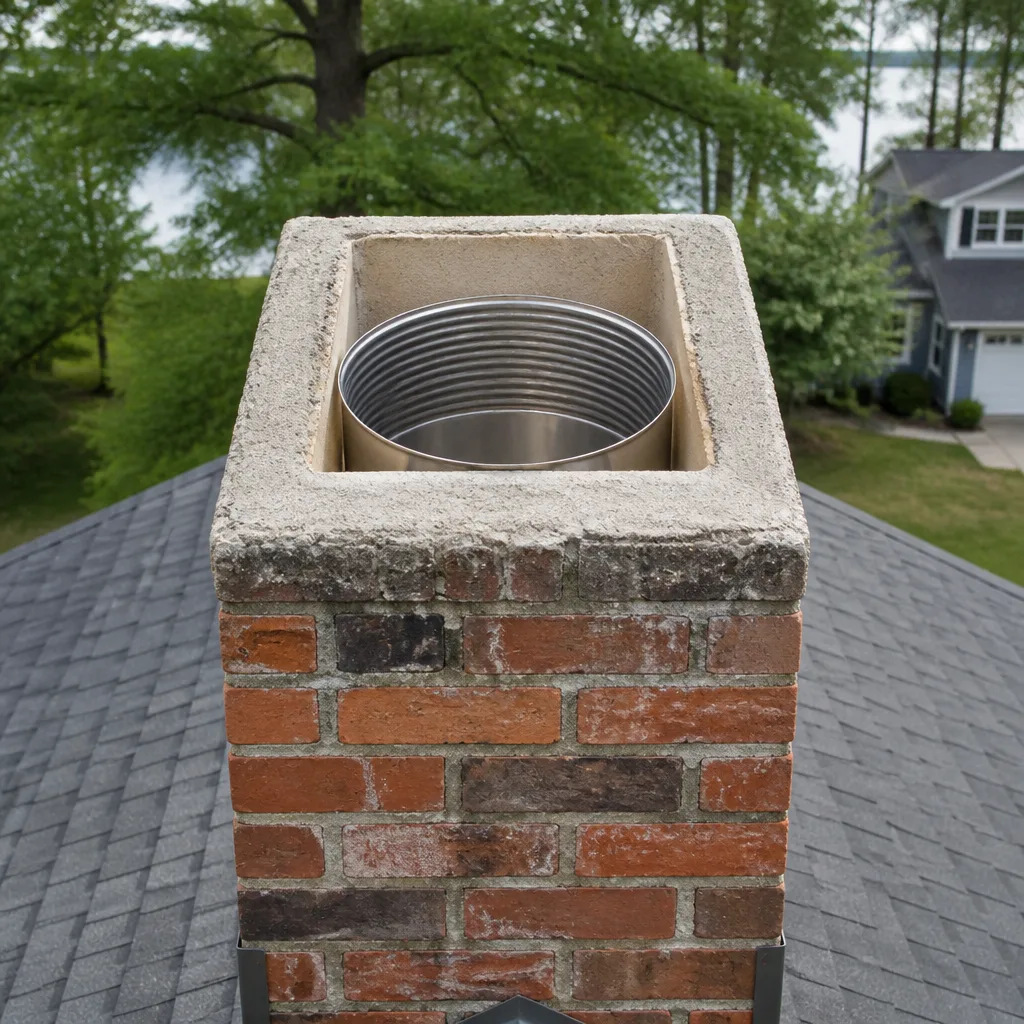
- Then the cost decision. If the liner has isolated cracks or rough spots, HeatShield ceramic resurfacing is often the right repair. It’s a cast-in-place ceramic product that smooths and seals the existing flue rather than replacing it, which usually costs a fraction of a full reline.
- Full reline only when necessary. If the existing liner can’t be resurfaced, a DuraFlex flexible liner system can usually be installed without demolishing the surrounding chimney structure, which is a faster and less invasive job than the word “reline” suggests.
That sequencing matters. A recommendation for a full reline made before the chimney has been swept and inspected is a sales pitch, not a diagnosis. Everything we quote comes after we’ve seen the flue on camera, and the footage is something you can look at yourself.
Fall: The Pre-Season Sweep Checklist
Fall is the season everyone associates with chimney work, and that’s fine, but what’s actually important in fall is the pre-season sweep and a short list of checks before the first fire. If you haven’t had the chimney cleaned since last season, book a chimney sweep well before you plan to light up, because the point of a fall sweep is to have the results in hand while there’s still time to fix anything.
Here’s the checklist a thorough pre-season visit covers:
- Damper seating. The damper should open and close fully and sit flush when closed. A damper that doesn’t seat lets heated room air escape up the flue all winter, and it can also let smoke spill back into the room when the fire is lit.
- Cap screen integrity. The spark screen or mesh on top of the cap should be intact and unobstructed. A torn screen lets birds and squirrels in; a blocked screen restricts draft and pushes smoke back down. Cap and crown work is a whole service category for us, and we install chimney cap & crown components from Gelco and Famco because those are built for the job rather than adapted from general hardware.
- Smoke chamber condition. The smoke chamber, the sloped space above the firebox and below the flue, should be smooth and properly parged. Rough surfaces collect creosote, and creosote collected there is the hardest creosote to reach later.
- Flue and firebox. Any cracks in the firebox mortar, any damage to the fireback, and any obstruction in the flue.
- Exterior, one more time. A quick look for anything new since spring, particularly mortar joints and flashing.
One thing that catches people out: a gas fireplace needs a sweep too. Gas doesn’t produce creosote, but it does produce a fine soot, and it also produces water vapor, which combined with the minerals in the gas can build up a residue on the liner. Gas fireplaces also have venting that needs inspection, and a gas log set that has been sitting unused for a year can develop debris in the vent that affects draft. The chimney is a system, and the fuel it burns changes the cleaning schedule, not whether it gets cleaned.
Winter: Reading the Warning Signs Mid-Season
Winter is when problems announce themselves, and most of what you’ll notice mid-season points to a specific structural cause. The point of this section is not to get you up on the roof in January. It’s to help you read a symptom accurately so that when you call, the conversation starts in the right place.
- White staining on the exterior. Efflorescence, the white powdery bloom on brick, means moisture is moving through the masonry and leaving mineral salts behind as it evaporates. That’s a sign of a water entry problem, usually a cracked crown, failed flashing, or a missing or damaged cap. A cap that blocks rain from entering the flue is the simplest prevention.
- Smoke rolling out of the firebox. Smoke rollout means the draft is compromised. It can be a blocked or damaged cap screen, a partially closed damper, negative pressure in the house from a competing exhaust fan, or something more serious in the flue. Don’t keep burning until it’s looked at.
- Persistent odor when the fireplace isn’t in use. A smell of smoke or soot coming from the fireplace in mild weather usually points to a buildup of creosote or soot that has absorbed moisture, or to a reverse draft pulling air down the flue. Either way the fix starts with a sweep and an inspection.
- Loose mortar or brick fragments in the firebox. Material dropping into the firebox is a structural warning. Stop using the fireplace and have it inspected.
- Dark staining on the face of the chimney. Soot staining on the exterior usually means the smoke is not being carried cleanly away and is finding its way out through the masonry or around the crown.
Two of these symptoms are more than cosmetic. A compromised flue can allow heat and combustion gases to reach parts of the structure that were never designed for them, and a blocked or damaged flue can allow carbon monoxide to back up into the house instead of venting up the stack. That’s why we don’t offer a diagnosis over the phone from a symptom description alone. We come out, sweep, inspect on camera, and show you what we found. We answer 24/7. Fast dispatch from 7am to 7pm, Sunday through Friday.
JFK Flight Paths, Jamaica Bay, and Soot
Homeowners in South Ozone Park sometimes ask whether living under the JFK flight paths means they need to sweep more often, or whether the proximity to Jamaica Bay makes any difference. It’s a fair question and the honest answer is that neither one changes the recommended sweep frequency much, for two separate reasons.
First, the standard rule is driven by how much you burn, not by what’s in the outside air. A flue needs attention based on the volume of creosote or soot that has accumulated inside it, and that accumulation comes overwhelmingly from your own fires. Neighborhood airflow, bird activity, and construction dust contribute a little surface debris, but they don’t produce the concentrated creosote deposits that make a sweep necessary. Wood smoke from surrounding homes and airborne particulates settle on the outside of a chimney and on a cap, but they don’t reach the flue interior in meaningful volume.
Second, Jamaica Bay is a body of water nearby, not a waterfront the way people picture it, and what it actually contributes is humidity. In this part of South Ozone Park, the air holds more moisture in the summer, and that humidity feeds into the same moisture-then-freeze cycle described earlier. So the bay matters, but not for particulate accumulation. It matters for the exterior masonry, which is why the spring walkround and a breathable sealer matter for a home near the bay more than an extra sweep would.
The practical rule: if you burn wood regularly, sweep once a year and inspect once a year. If you also notice more surface soot on your cap than you’d expect, that’s worth pointing out at your next visit, but it doesn’t change the schedule. The schedule is about your flue, not the neighborhood.
How Often Should a South Ozone Park Chimney Be Swept?
Once per year for a home with an active, regularly used wood-burning fireplace, and once per year for a gas fireplace as well, with an inspection each time. That’s the working rule for a South Ozone Park home, and it’s the schedule we recommend unless the inspection finds something that calls for a shorter interval.
The rule changes in a few situations:
- Heavy wood burning. If you burn every evening through the winter, a mid-season check is worth considering, especially if you notice soot staining, reduced draft, or odor.
- Burning unseasoned wood. Green or wet wood produces far more creosote than dry, seasoned wood, and the extra creosote builds up faster than an annual schedule might assume.
- After a chimney fire, however small. Any chimney fire, even one that went unnoticed, calls for a Level 2 inspection before the fireplace is used again.
- A change of use. If you’ve just moved into a South Ozone Park home with an unknown chimney history, or you’ve changed from wood to gas or added a new appliance, inspect before the first fire.
- Visible exterior damage. If you noticed spalling, crown cracks, or white staining this year, an inspection should come first, before the sweep, so we can tell you what’s actually happening with the structure.
If you’re not sure when your chimney was last swept, the safe assumption is that it’s overdue. Past owners of older South Ozone Park homes often didn’t keep records, and a chimney that has been unused for several years can have debris, nests, or a cracked flue that nothing in the home will tell you about. A chimney sweep with a full inspection is the starting point, and if it turns out nothing needs doing beyond the sweep, we say so plainly.
Common Mistakes to Avoid
- Treating chimney care as a fall-only chore. The crown and masonry damage that shows up in fall usually started in winter and could have been caught in spring. A spring walkround is the cheapest repair you’ll ever do.
- Burn-only cleaning instead of a full inspection. A sweep alone tells you the flue is clean. It doesn’t tell you whether the liner is sound. The inspection is what protects the home, and every job we do starts with one.
- Replacing a liner without seeing it first. Rough masonry in a flue doesn’t automatically mean a full reline. HeatShield ceramic resurfacing can repair and smooth the liner you have, which is often a fraction of the cost of replacement, and it’s available for a lot of the jobs that get quoted as replacements elsewhere.
- Sealing brick without addressing the water source. A sealer on brick that’s leaking through a cracked crown or lifted flashing will fail. Fix the water entry first, then seal.
- Assuming a gas fireplace doesn’t need service. Gas fireplaces still produce soot and venting issues, and their liners still need inspection. The fuel is different; the need to inspect isn’t.
- Using an unvented or improperly sized cap. A cap that restricts draft will cause smoke rollout and soot buildup. Purpose-built components sized for your flue work; a hardware-store substitute often doesn’t.
- Skipping the sweep because the fireplace “seemed fine.” Creosote and cracks don’t show visible signs inside the firebox until they’re well along. The point of an annual inspection is to see what the firebox is hiding.
When to Call a Professional
Call a professional for anything involving the inside of the flue, the top of the chimney, or the roof, and call before you burn again if you notice smoke rollout, soot staining, loose material in the firebox, or an unfamiliar odor. These are the symptoms that point to flue and venting problems that no amount of cleaning from below will fix. Call a professional if you’ve just bought the house and don’t know the chimney’s history, or if the chimney has been idle for a year or more. Call a professional if you see spalling, crown cracks, or lifted flashing and want a proper diagnosis rather than a guess. The last point matters because crown and liner decisions come down to how deep the damage goes, and the camera tells you that in half an hour.
Chimney Sweep South Ozone Park offers free estimates in South Ozone Park. Call (877) 492-4232. If you’d rather start with a sweep and inspection, our Chimney Sweep South Ozone Park team handles the full scope from the firebox to the cap, and we name the materials we use so you know exactly what’s going into your chimney.
Frequently Asked Questions
Chimney sweeping in South Ozone Park typically runs in the same range as the rest of Queens for a standard one-story flue, with the exact figure set by a written estimate after we’ve seen the chimney. The sweep and inspection are usually priced together so you get the diagnosis, not just the cleaning. Call (877) 492-4232. The estimate is free and there’s no service-call fee to come out and quote the work.
Many liners that get quoted as full replacements can be repaired with HeatShield ceramic resurfacing instead of replaced, which is significantly less expensive. The only way to know which applies is to sweep the flue first and see it on camera, because the decision turns on the depth and extent of the damage. We’ll show you the footage and tell you plainly whether resurfacing is an option or whether a DuraFlex reline is the correct fix. Call (877) 492-4232 for an exact quote.
Once a year for a home with an active wood-burning fireplace, with an inspection at the same visit, and a shorter interval if you burn heavily or use unseasoned wood. A gas fireplace should be inspected and cleaned once a year as well. If your chimney’s history is unknown, treat it as overdue and start with a sweep and inspection. Call (877) 492-4232 to book yours before the fall rush.
Creosote builds up on the liner walls and becomes more flammable with each season of burning, and at the same time the liner itself degrades from moisture and heat cycles, which is exactly the combination that leads to chimney fires and to carbon monoxide backing into the home. The other failure is structural: a crown or flashing leak that goes unaddressed for years will eventually turn a small repair into a rebuild. Call (877) 492-4232 for an exact quote. Estimates are free.
A visual check of the exterior, the crown, the cap, and the flashing is something every homeowner can and should do, ideally in spring after the freeze-thaw season. What you can’t do yourself is a Level 2 inspection of the flue interior, which needs a camera and a trained eye to read what the camera shows. Summer is the best time to schedule it, because the calendar is quieter in South Ozone Park than it is in October. Call (877) 492-4232 to book an inspection.
Not really, and not for the reason people usually assume. Sweep frequency in South Ozone Park is driven by how much you burn and how much creosote and soot accumulates on the flue walls, which comes from your own fires. The bay’s humidity does affect exterior masonry through the freeze-thaw cycle, which is a reason to do the spring walkround and consider a breathable sealer, not a reason to add sweeps. Call (877) 492-4232 to schedule your sweep and we’ll walk through your specific home’s needs.
The Bottom Line
Chimney care in South Ozone Park runs on a calendar, and the calendar is not October through March. Spring is for the exterior: spalling brick, lifted flashing, crown cracks, and a sealer where the masonry is sound. Summer is for the sweep, the Level 2 inspection, and any liner work, while the schedule is open and before the burning season starts. Fall is for the pre-season sweep and the checklist: damper seating, cap and screen, smoke chamber, firebox, flue. Winter is for reading the signs and calling when you see them. The one rule that holds all four seasons together is that every job starts with a sweep and an inspection, and every recommendation is backed by camera evidence you can look at yourself.
One call sets the whole year in motion. Call Chimney Sweep South Ozone Park at (877) 492-4232 for a free estimate, and we’ll start with an inspection so the recommendations come from diagnosis, not from assumption. We answer 24/7, with fast dispatch from 7am to 7pm, Sunday through Friday. Our technicians have up to 8 years of experience, and every repair and installation uses branded materials from DuraFlex, HeatShield, Gelco, and Olympia Chimney, so you know what’s going into your chimney.
Written by the team at Chimney Sweep South Ozone Park.
See the difference
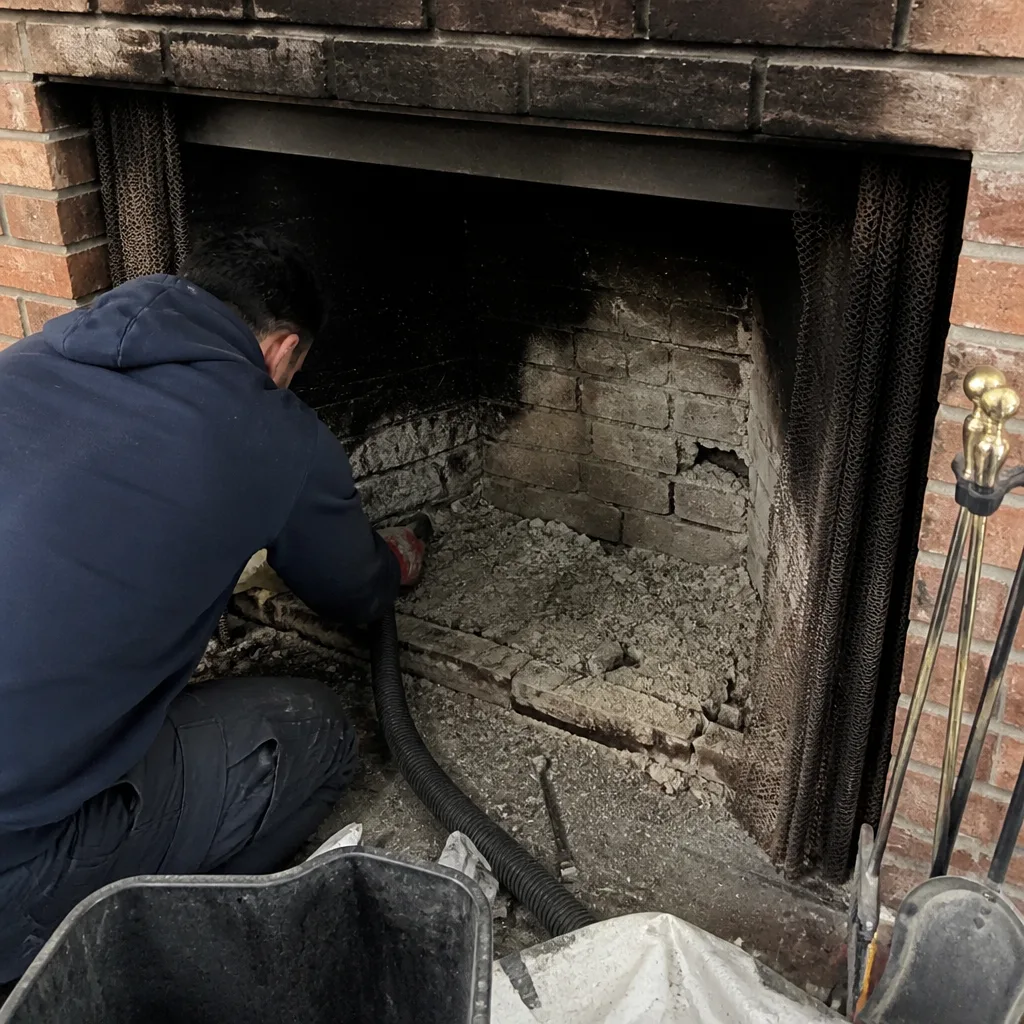 Before
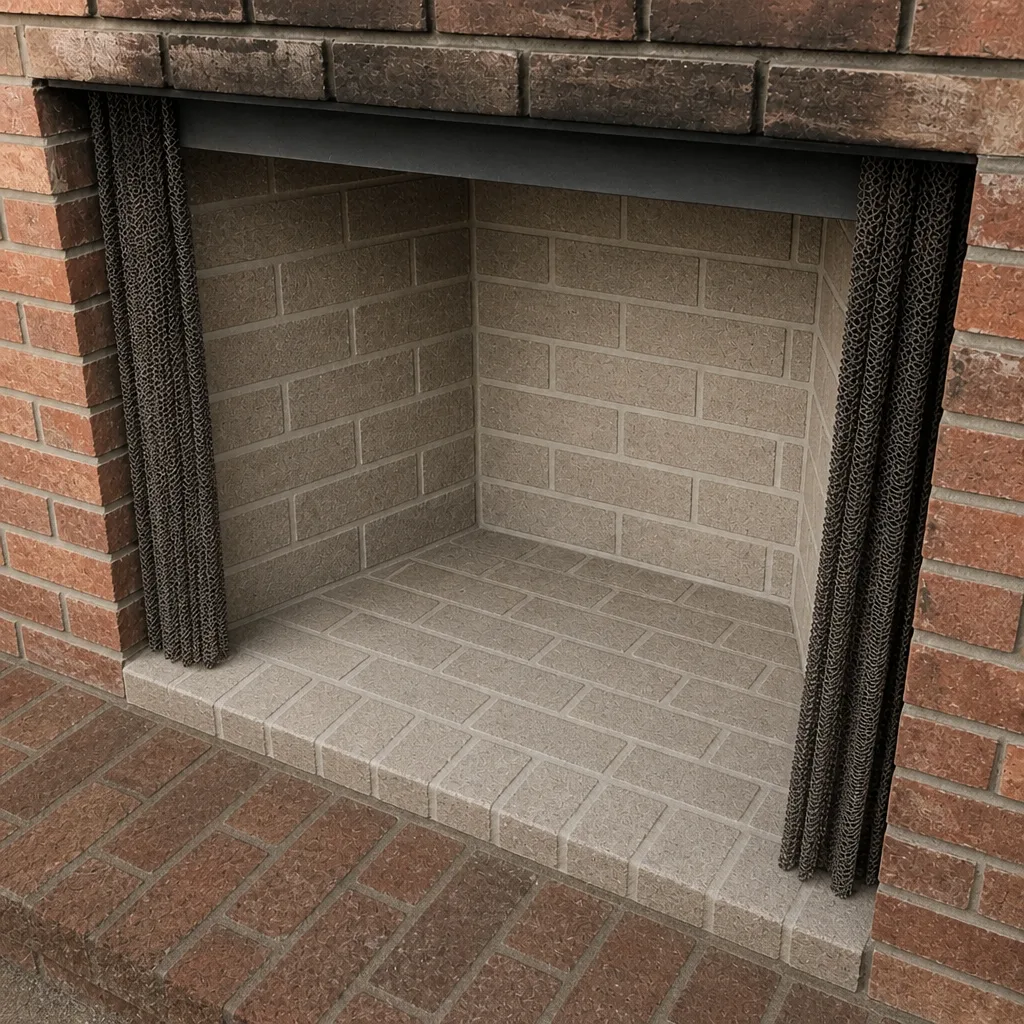 After
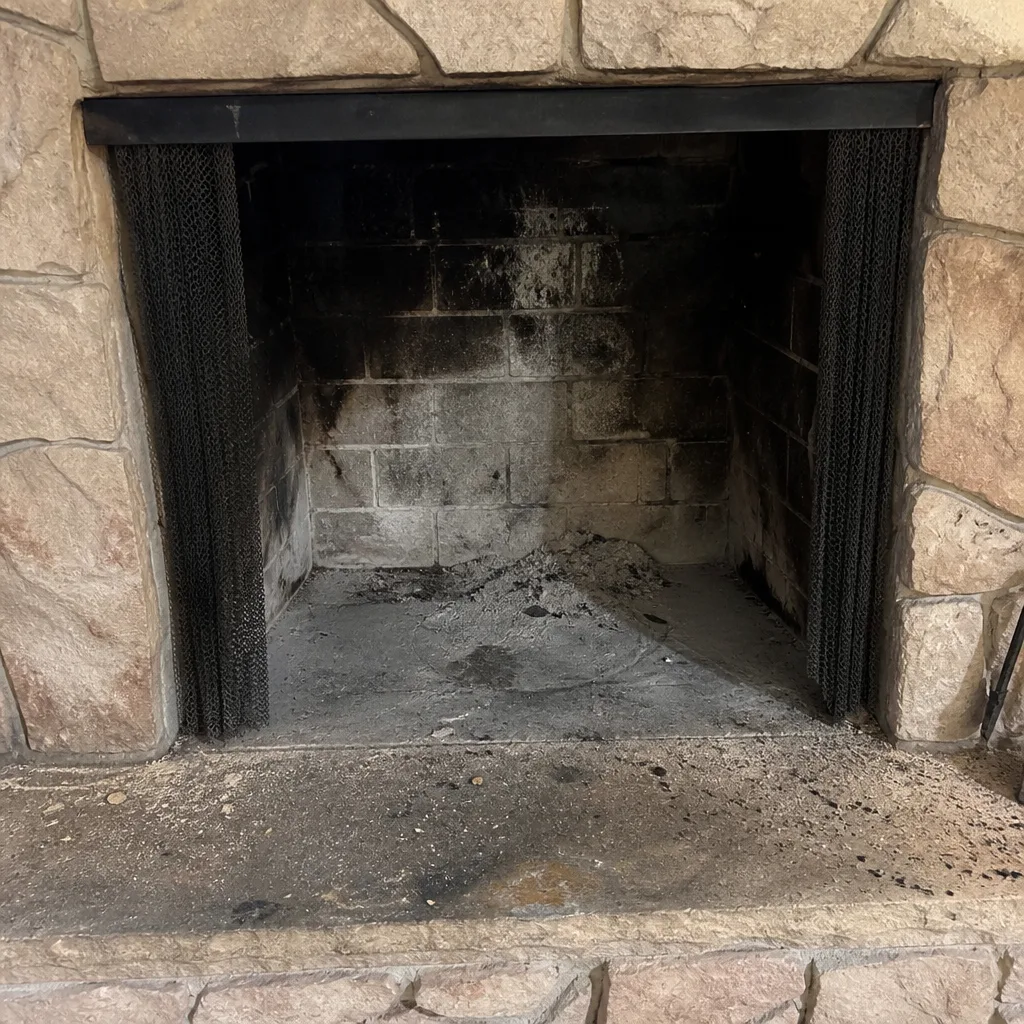 Before
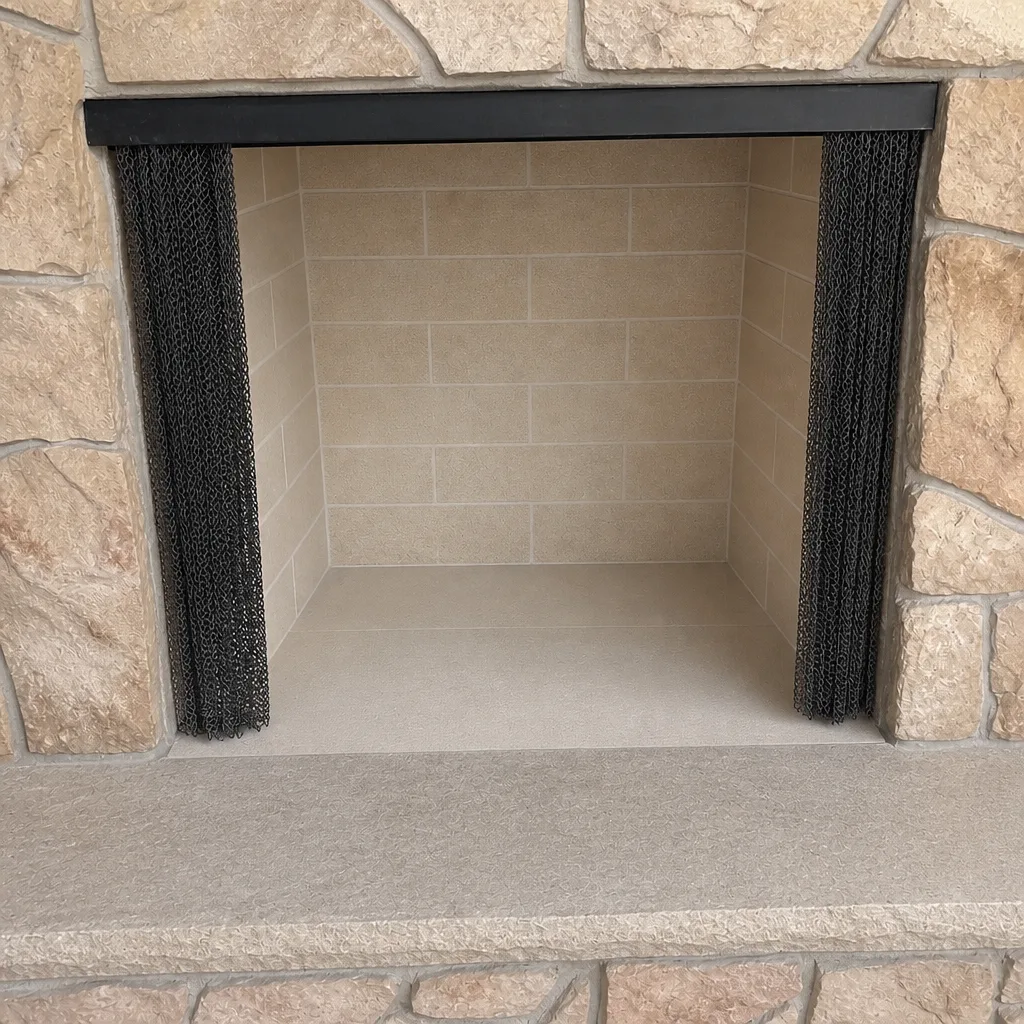 After
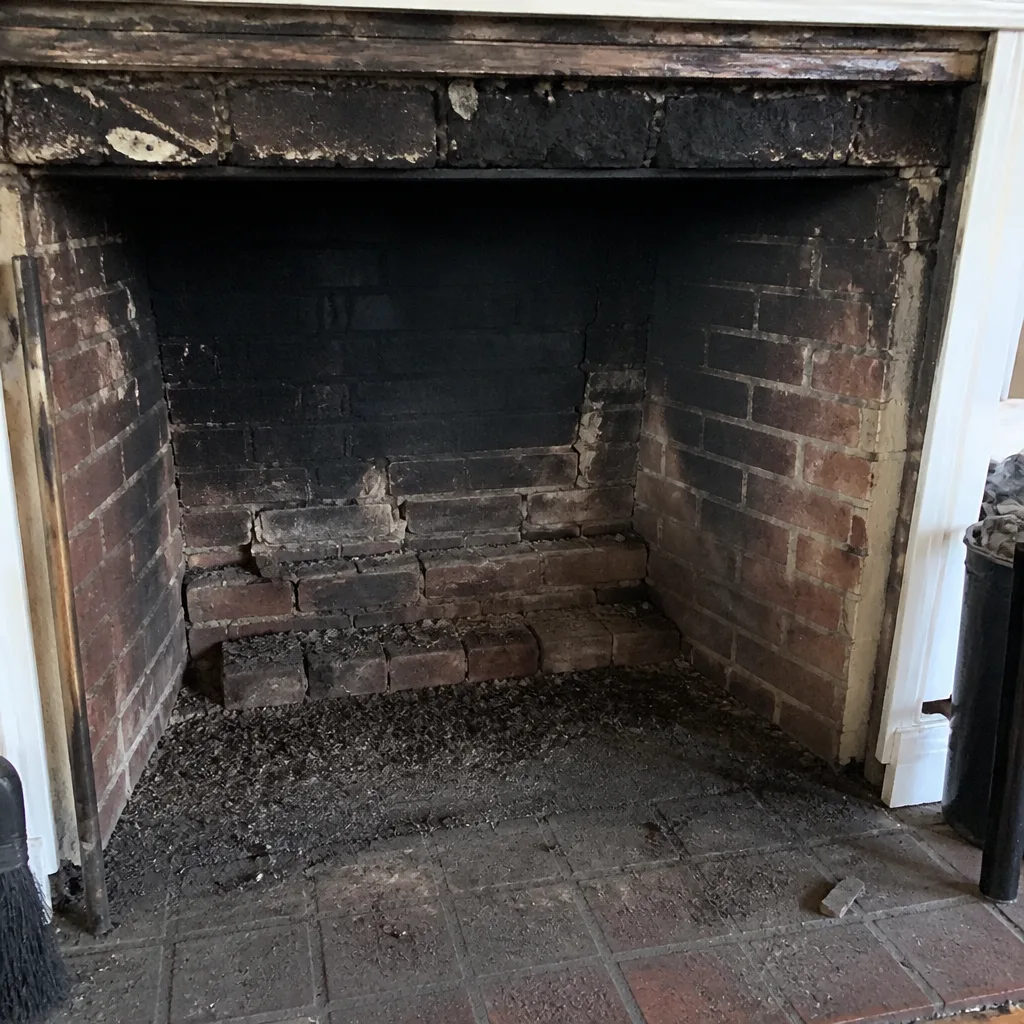 Before
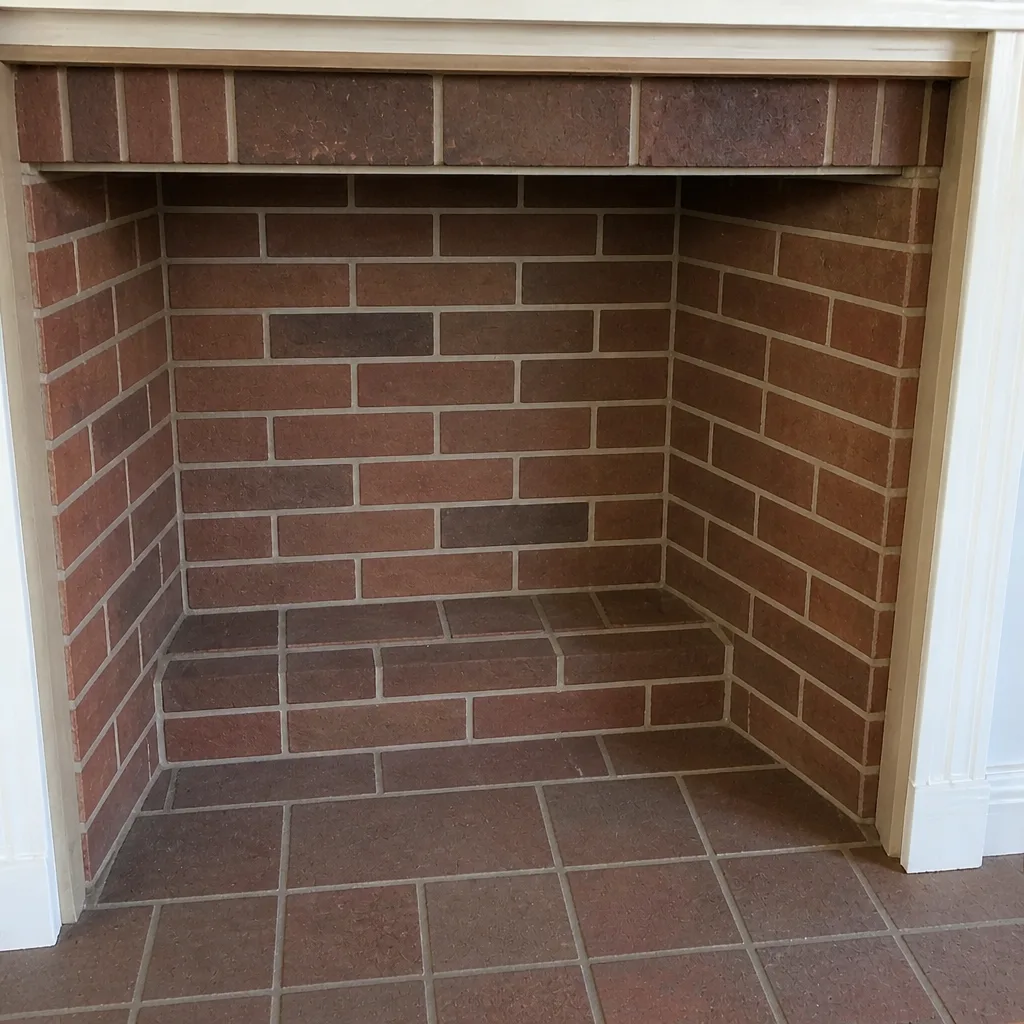 After